The year 2025 marked a transformative period in scientific research, characterized by breakthroughs across biotechnology, space exploration, renewable energy, and artificial intelligence. From pioneering gene therapies to the launch of ambitious interplanetary missions, the scientific community demonstrated unprecedented innovation and collaboration. Advances in sustainable technologies and quantum computing are expected to reshape industry landscapes, while public engagement in citizen science surged worldwide. Notably, global efforts to address climate change and health crises underscored the critical intersection of science and societal impact. As 2025 concludes, the year is recognized as a pivotal juncture driving both technological progress and human understanding.
Biotechnology and Medical Advances
2025 witnessed significant milestones in medicine, particularly in genomics and personalized healthcare. Novel gene-editing therapies gained traction, showing promise in treating previously intractable conditions. Clinical trials reported successful outcomes for RNA-based vaccines targeting complex diseases beyond COVID-19. These advancements not only highlight the accelerating pace of biomedical innovation but also raise ethical and regulatory considerations for global health authorities.
Space Exploration and Astronomical Achievements
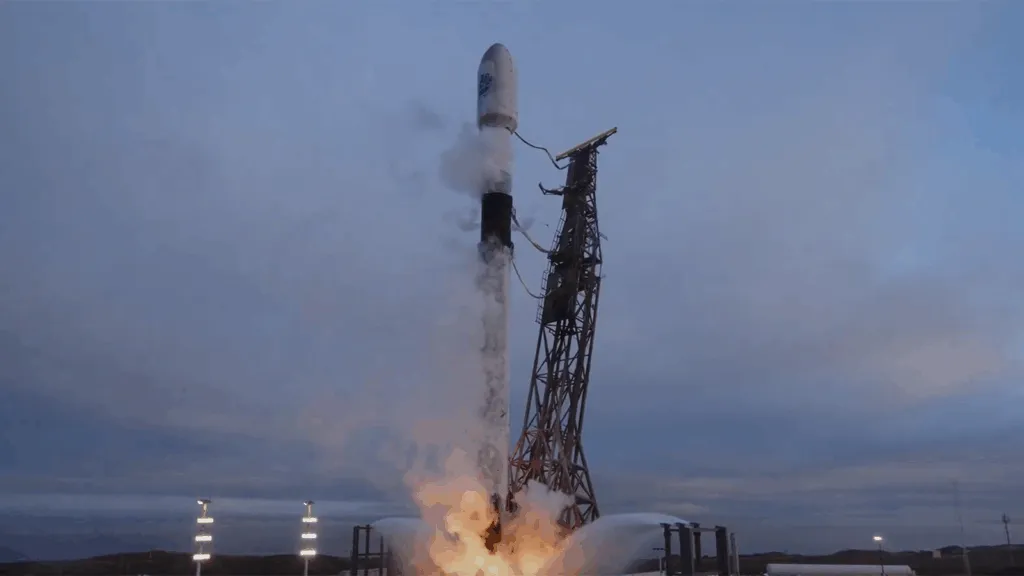
The space sector saw remarkable progress, with multiple nations launching exploratory missions and deploying cutting-edge telescopes. Interplanetary probes expanded our understanding of Mars, the Moon, and near-Earth asteroids, while new exoplanet discoveries captured public imagination. Commercial spaceflight continued to evolve, enabling broader participation in low-Earth orbit activities and fostering partnerships between governmental and private entities.
Energy, Environment, and Sustainability
Renewable energy technologies achieved new efficiencies in 2025, with solar, wind, and hydrogen solutions scaling rapidly. Innovations in energy storage and grid optimization addressed critical challenges of intermittent supply. Simultaneously, environmental science provided actionable insights into climate mitigation strategies, guiding policy frameworks and corporate sustainability commitments. The convergence of technology and ecological stewardship highlighted the increasing role of science in global resilience planning.
Artificial Intelligence and Computational Breakthroughs
Artificial intelligence saw accelerated integration into research methodologies, healthcare diagnostics, and industrial processes. Quantum computing achieved experimental milestones, enabling complex simulations and data analysis previously unattainable. While these advancements promise substantial economic and societal gains, experts emphasize the importance of responsible AI governance and data privacy protections.
Public Engagement and Citizen Science
Citizen science initiatives flourished, with public participation in ecological monitoring, astronomical observations, and open-access datasets reaching unprecedented levels. Educational outreach programs amplified awareness of scientific literacy, underscoring the societal value of fostering curiosity and critical thinking.
Conclusion: A Year of Scientific Momentum
2025 stands as a defining year in science, illustrating the synergy between human ingenuity, technological innovation, and global collaboration. As these discoveries and breakthroughs pave the way for 2026, the momentum promises to accelerate both societal advancement and the exploration of new frontiers in knowledge.
Comments