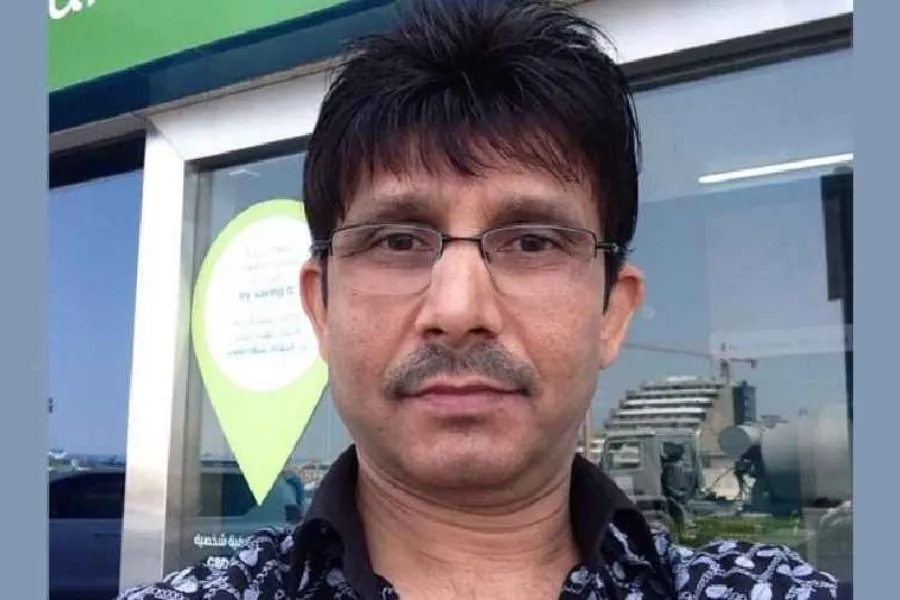
Actor and self-styled film critic Kamal R Khan has been taken into custody by law enforcement authorities, a development that has drawn widespread attention across media and social platforms. The arrest, linked to an ongoing legal matter, underscores how public figures remain subject to the same judicial processes as private citizens. While details of the case are still emerging, the incident has reignited discussions around accountability, online conduct, and the responsibilities that accompany visibility in the digital age. Authorities have emphasized that legal proceedings will follow due process, with further clarity expected as the investigation progresses.
Arrest Linked to Ongoing Legal Proceedings
Law enforcement officials confirmed that Kamal R Khan was arrested in connection with a case already under investigation. While specific charges have not been fully detailed in public statements, officials indicated that the action followed procedural requirements and was based on existing legal grounds.
As with any ongoing case, authorities have refrained from extensive commentary, citing the need to protect the integrity of the investigation.
Public Figure Under Legal Scrutiny
Khan, known for his outspoken commentary on films and public personalities, has frequently courted controversy through social media and public statements. His arrest has once again placed the spotlight on the legal risks faced by high-profile individuals whose remarks and actions attract sustained scrutiny.
Legal experts note that public visibility often accelerates both attention and accountability, particularly when matters intersect with statutory provisions.
Reaction Across Media and Social Platforms
The development prompted immediate reactions online, with opinions sharply divided. Supporters have urged restraint until the legal process concludes, while critics argue that the case highlights the consequences of repeated controversies.
Industry observers caution against speculation, emphasizing that arrests represent procedural steps rather than judgments of guilt.
Due Process and Legal Framework
Under Indian law, an arrest forms part of the investigative process and does not pre-determine the outcome of a case. Courts will ultimately assess evidence, arguments, and applicable legal standards before reaching any conclusion.
Authorities reiterated that Khan will be afforded all legal rights, including access to counsel and the presumption of innocence until proven otherwise.
Broader Implications
The arrest has renewed conversations around digital conduct, freedom of expression, and the limits imposed by law. As public discourse increasingly unfolds online, legal boundaries are being tested with greater frequency.
For now, attention remains focused on forthcoming court proceedings, which are expected to provide greater clarity on the matter and its implications for those operating in the public eye.
Comments