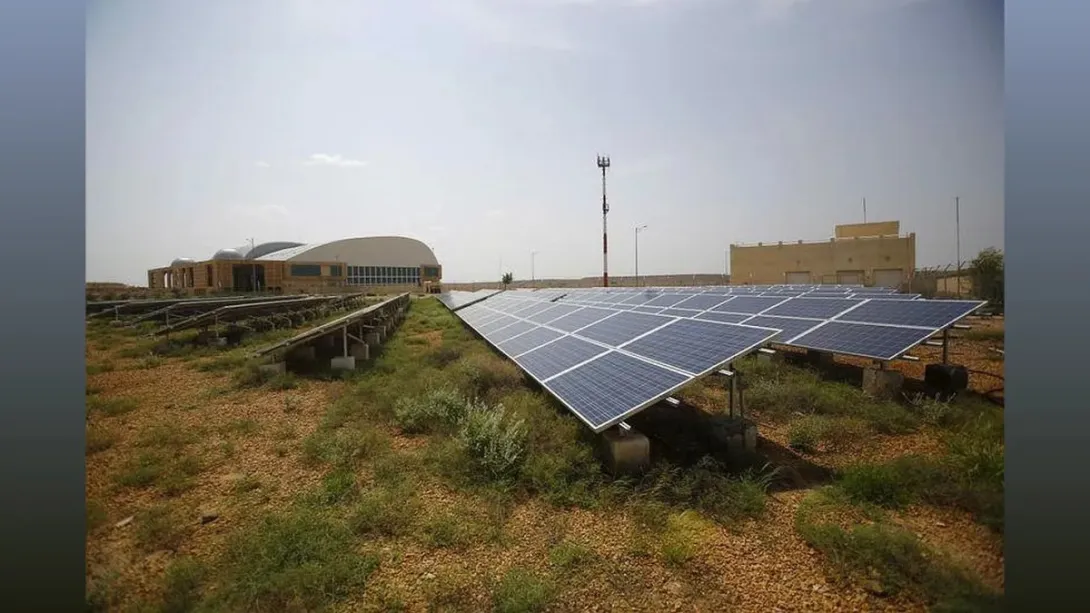
The Adani Group has unveiled an ambitious plan to invest USD 60 billion (approximately Rs. 5 lakh crore) in India’s power sector over the next decade, positioning itself at the forefront of the country’s energy transition. The investment will focus on expanding renewable energy capacity, modernizing transmission networks, and strengthening the country’s overall power infrastructure. This move underscores Adani’s commitment to aligning with India’s clean energy goals while also consolidating its position as a key player in the global energy market. The scale of the investment reflects both strategic foresight and confidence in India’s long-term growth trajectory.
A Bold Commitment to Renewable Energy
A significant share of the USD 60 billion allocation will be directed toward expanding solar, wind, and hybrid energy projects. Adani Green Energy Limited, the group’s renewable energy arm, already ranks among the world’s largest clean energy companies and aims to add substantial gigawatt capacity to its portfolio by 2030.
This expansion aligns with India’s pledge to achieve 500 gigawatts of non-fossil fuel-based power capacity by 2030 and its broader commitment to net-zero emissions by 2070. The Adani Group’s investments will also bolster energy security by reducing reliance on imported fossil fuels.
Transmission and Distribution Upgrades
In addition to generation, the group will channel resources into upgrading India’s transmission and distribution networks. Investment in green corridors, high-voltage transmission lines, and smart grid technologies will be critical to integrating renewable energy sources into the national grid.
Efficient transmission will ensure that surplus power generated in resource-rich states reaches demand-heavy regions, reducing bottlenecks and improving grid reliability. This infrastructure development is expected to significantly enhance India’s capacity to absorb large-scale renewable power.
Supporting Industrial Growth and Sustainability
The planned investments extend beyond electricity generation and infrastructure. Adani’s strategy includes supporting industrial decarbonization by supplying clean energy to heavy industries, manufacturing hubs, and data centers.
This approach reflects the growing demand for sustainable power in India’s expanding industrial base, particularly from sectors such as steel, cement, and information technology, which are under increasing pressure to reduce carbon footprints. By offering green energy solutions, Adani positions itself as a partner in India’s broader economic transformation.
Economic and Policy Implications
The Adani Group’s announcement carries significant macroeconomic implications. A USD 60 billion infusion into the power sector will generate thousands of jobs, stimulate investment in allied industries, and create opportunities for domestic manufacturing of solar modules, wind turbines, and storage technologies.
For policymakers, this investment supports India’s twin objectives: ensuring affordable power supply and accelerating the clean energy transition. It also sends a strong signal to global investors about India’s potential as a hub for sustainable infrastructure development.
Outlook
As India balances rapid economic growth with environmental commitments, large-scale investments such as Adani’s are pivotal in reshaping the power sector. The USD 60 billion plan demonstrates both financial muscle and long-term vision, positioning the group as a cornerstone of India’s energy transformation.
If executed effectively, the initiative could redefine the country’s power landscape, enhance global competitiveness, and serve as a model for other emerging economies navigating the challenges of energy security and sustainability.
Comments