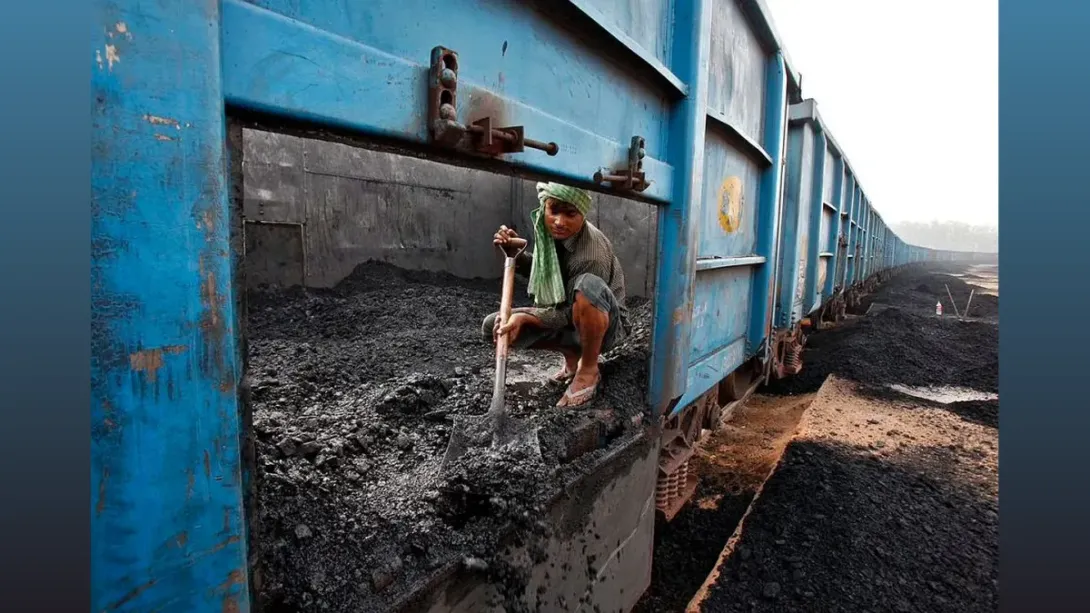
Adani Power Ltd., one of India’s leading private-sector energy producers, has announced plans to develop a 2,400 MW thermal power plant in Bihar. The project underscores the company's continued push to expand its generation capacity while addressing India’s growing electricity demands, particularly in underserved regions. Strategically located to enhance grid reliability in eastern India, the facility will be developed in phases and is expected to boost local employment and catalyze regional infrastructure development. As India navigates the dual challenge of energy security and decarbonization, Adani’s latest venture highlights the delicate balance between expansion and sustainability in the country’s power sector.
---
A Strategic Expansion: Powering the East
Adani Power’s decision to set up a 2,400 MW thermal power plant in Bihar represents a significant step toward bridging the power deficit in one of India’s most electricity-starved states. The facility will be established in the Buxar district, an area strategically chosen for its proximity to key grid infrastructure and water availability essential for thermal operations.
The plant, comprising three units of 800 MW each, is expected to be built in phases. Upon completion, it will contribute substantially to the national grid, improve electricity access across the eastern belt, and reduce the state’s dependence on power imports from neighboring regions.
---
Enhancing Grid Stability and Industrial Growth
Bihar has long struggled with inconsistent power supply, limiting industrial expansion and affecting quality of life, especially in rural areas. The addition of 2,400 MW of new generation capacity is anticipated to significantly stabilize the state’s grid and support its ambitions for industrialization.
The plant’s commissioning will also enhance the resilience of India’s eastern power corridor, which plays a critical role in balancing demand and supply across multiple states. With increasing electricity consumption driven by urbanization, digitalization, and rural electrification efforts, the additional capacity comes at a crucial juncture in India’s economic development.
---
Economic Impact and Job Creation
Beyond its contribution to power supply, the Buxar plant is projected to generate substantial socio-economic benefits. The construction and operational phases are expected to create thousands of direct and indirect jobs in the region, ranging from skilled technical roles to ancillary services such as logistics, maintenance, and hospitality.
Local businesses and vendors are also likely to benefit from the increased economic activity, creating a multiplier effect in the surrounding areas. Adani Power has signaled its intent to invest in community development initiatives alongside the project, aligning with broader environmental and social governance (ESG) principles.
---
Addressing the Energy Security vs. Sustainability Debate
The announcement of a large-scale thermal project inevitably invites scrutiny given the global shift toward clean energy. Critics have long argued that investments in coal-based power risk locking India into carbon-intensive infrastructure. However, proponents point to India’s pressing need for baseload power, particularly in regions where renewables have yet to gain reliable traction.
Adani Power, aware of this tension, has committed to deploying high-efficiency, low-emission (HELE) technology in the Buxar plant. This includes supercritical boilers designed to minimize carbon output per unit of electricity generated, in line with India’s climate commitments under the Paris Agreement.
---
Financing and Project Timelines
While full financial details remain under wraps, preliminary estimates suggest the total project cost could exceed Rs. 18,000 crore. Adani Power is expected to finance the project through a mix of internal accruals and institutional funding. The company is also in discussions with central and state authorities to secure long-term power purchase agreements (PPAs), which will be critical for project bankability and sustained cash flow.
Construction is likely to commence in early 2026, with the first 800 MW unit projected to be operational by 2029. Full commissioning is expected by 2031, subject to regulatory clearances, land acquisition timelines, and supply chain factors.
---
Conclusion: Balancing Progress with Responsibility
Adani Power’s upcoming 2,400 MW thermal plant in Bihar is more than just an infrastructure project—it reflects the enduring complexities of India's energy transition. While the country accelerates its renewable capacity, it must also ensure reliable and affordable electricity for its vast population. The new plant addresses immediate energy deficits while committing to cleaner coal technologies, striking a pragmatic balance between development and sustainability.
As India marches toward its target of becoming a $5 trillion economy, energy infrastructure will serve as both foundation and catalyst. Projects like this one in Bihar will play a pivotal role in ensuring that progress reaches all corners of the nation—reliably, equitably, and responsibly.
Comments