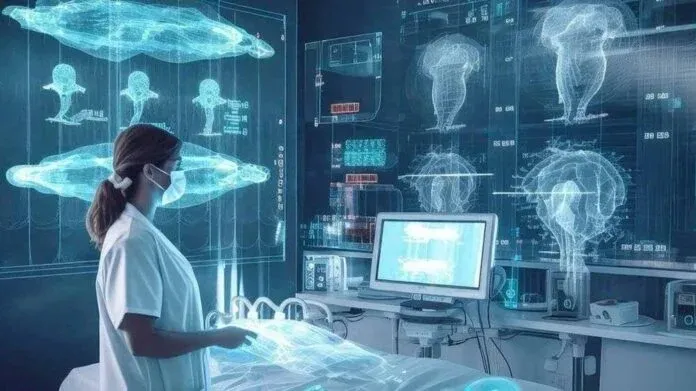
Artificial intelligence is driving transformative change in medical imaging at Hull University Teaching Hospitals NHS Trust, where the integration of deep learning software into MRI systems has significantly reduced scan times. By leveraging advanced algorithms, clinicians can now produce sharper images more efficiently, increasing patient throughput while maintaining diagnostic precision. The initiative, currently in use at Hull Royal Infirmary and Castle Hill Hospital, has also improved accessibility for vulnerable patients, including children and individuals with claustrophobia. With installations planned for additional regional hospitals, this AI-driven solution marks a pivotal shift in the delivery and scalability of radiology services within the NHS.
Deep Learning Meets Diagnostic Imaging
The Hull University Teaching Hospitals NHS Trust has incorporated Air Recon Deep Learning (ARDL) software into its existing MRI systems, marking a milestone in the modernization of diagnostic radiology. This advanced technology uses sophisticated algorithms to filter out background noise and enhance image clarity, enabling clinicians to achieve diagnostic-quality results in a fraction of the traditional scan time.
This deep learning model is not merely an auxiliary tool; it redefines the operational efficiency of MRI systems without compromising the diagnostic integrity required for complex medical evaluations.
Substantial Reduction in Scan Times
One of the most tangible benefits of the ARDL software is the dramatic reduction in the duration of MRI scans. According to the Trust, routine head scans that previously required 30 minutes are now completed in approximately 20. Prostate scans, once a 45-minute process, now take only 30 minutes.
The time savings are even more impactful in high-demand areas. For example, the number of lumbar spine scans performed in a 12-hour shift has increased from 21 to 31 — a 47% improvement in patient throughput.
These enhancements allow radiology departments to manage greater volumes without additional machines or staff, translating to shorter wait times and increased patient satisfaction.
Improved Access for Vulnerable Patients
Beyond operational efficiencies, the shorter scan durations have made MRI procedures more accessible to individuals who previously struggled with the constraints of traditional imaging. Patients with claustrophobia, learning disabilities, or sensory sensitivities — populations historically underserved in imaging services — are now more likely to tolerate scans without sedation or distress.
“We’re seeing fewer children needing general anaesthesia to complete their scans, which is a major step forward in paediatric care,” said Karen Bunker, Head of Imaging at the Trust. This not only reduces clinical risks but also enhances the overall patient experience and reduces healthcare costs associated with sedation.
Regional Expansion Underway
The successful deployment of ARDL software at Hull Royal Infirmary and Castle Hill Hospital is now paving the way for broader regional implementation. Plans are already in place to extend the technology to Scunthorpe General Hospital and Diana, Princess of Wales Hospital in Grimsby.
The approach aligns with NHS England’s broader digital transformation goals, emphasizing technological innovation as a pathway to sustainable healthcare delivery and improved patient outcomes across urban and rural populations alike.
Implications for the Broader Healthcare Ecosystem
Hull’s successful adoption of AI-driven imaging provides a scalable model for NHS trusts nationwide. By maximizing the utility of existing equipment through software upgrades rather than capital-intensive replacements, the initiative demonstrates how public healthcare systems can integrate cutting-edge solutions cost-effectively.
Moreover, the shift toward AI-supported diagnostics could relieve pressure on overburdened departments, enable faster clinical decision-making, and optimize workforce deployment — all critical outcomes in the current post-pandemic landscape.
The enhanced efficiency, improved accessibility, and better resource utilization make a compelling case for broader implementation, especially as the NHS seeks to reduce waiting lists and improve care quality without proportionally increasing expenditure.
Conclusion
Hull’s use of deep learning in MRI diagnostics is more than a local success story — it is a blueprint for national innovation in public healthcare. The integration of AI not only accelerates operational workflows but also delivers a more inclusive and humane patient experience. With the proven benefits of reduced scan times, improved imaging precision, and broader accessibility, this advancement is poised to redefine the future of diagnostic radiology in the UK and beyond.
Comments