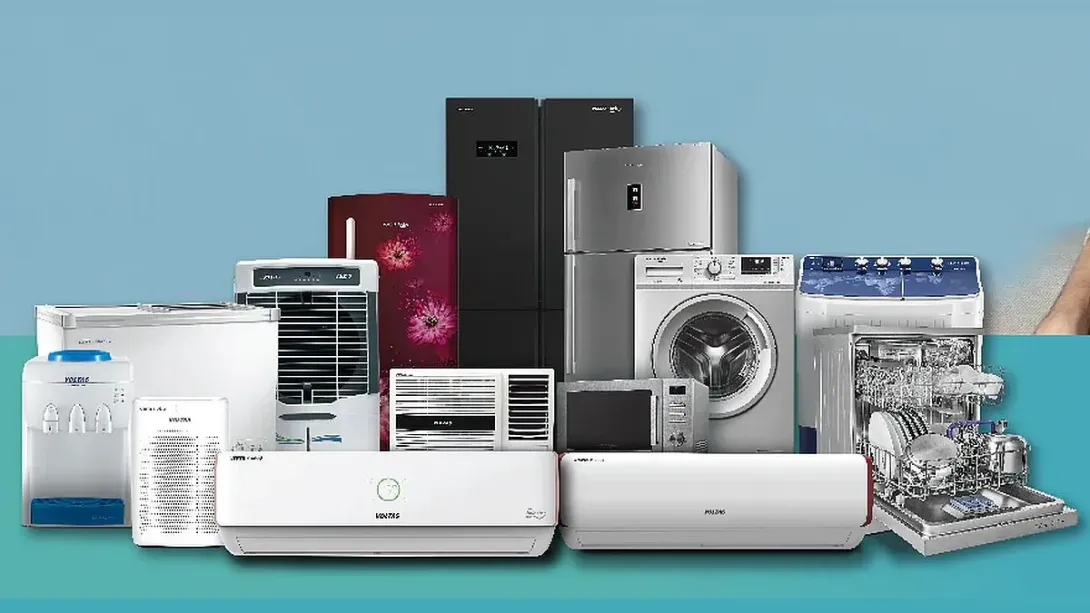
Air conditioner prices in India are likely to increase as manufacturers confront a combination of rising copper prices, currency depreciation, and stricter energy efficiency regulations. Industry leaders warn that escalating input costs and regulatory compliance requirements are placing pressure on production margins. Companies including Voltas, Blue Star, and LG Electronics are expected to review pricing strategies ahead of the peak summer demand season. Analysts say the shift reflects structural changes in the appliance sector, where sustainability standards and global commodity cycles are increasingly influencing manufacturing economics and consumer pricing.
Multiple Cost Pressures Converge on the AC Industry
India’s air conditioning sector is entering a phase of rising production costs that could soon translate into higher retail prices for consumers. Manufacturers across the industry are facing simultaneous pressure from commodity markets, currency movements, and regulatory changes.
The combined impact of these factors is forcing companies to reconsider their pricing structures. While producers have attempted to absorb a portion of the cost increases, industry experts say sustained pressures are making price adjustments increasingly unavoidable.
The anticipated price revisions are expected to coincide with the onset of the summer season, traditionally the period of highest demand for cooling appliances in the country.
Copper Price Surge Raises Manufacturing Costs
One of the primary drivers behind the expected price increase is the sharp rise in global copper prices. Copper is a critical component used extensively in air conditioners, particularly in compressors, condensers, and refrigeration coils.
Because of its superior thermal conductivity, copper remains an indispensable material in cooling technologies. However, global supply constraints and growing demand from infrastructure and renewable energy sectors have driven copper prices upward in recent months.
For manufacturers such as Voltas and Blue Star, this increase directly raises the cost of producing each unit, placing pressure on operating margins.
Depreciating Rupee Adds Import Cost Burden
Currency fluctuations have also played a significant role in shaping the cost environment for the air conditioning industry. The weakening of the Indian rupee against the U.S. dollar has increased the cost of importing several key components used in AC manufacturing.
Even companies that assemble products domestically rely on imported parts such as compressors, electronic controllers, and specialized materials. As the rupee loses value, these imports become more expensive, further inflating production costs.
Global manufacturers like LG Electronics, which operate large production facilities in India, must carefully manage exchange rate volatility while maintaining competitive pricing in a highly price-sensitive market.
Stricter Energy Efficiency Regulations
Another factor influencing pricing is the introduction of updated energy efficiency standards for cooling appliances. These regulations, implemented to reduce electricity consumption and promote environmental sustainability, require air conditioners to meet higher performance benchmarks.
Compliance with these standards often requires manufacturers to redesign products, adopt more efficient compressors, and incorporate advanced control technologies. While these improvements enhance product performance and reduce long-term energy consumption, they also increase research, development, and manufacturing costs.
As a result, companies are gradually adjusting their pricing strategies to reflect the cost of meeting new regulatory requirements.
Industry Response and Strategic Adjustments
To mitigate the impact of rising costs, air conditioner manufacturers are implementing several strategic measures. These include expanding local manufacturing capabilities, optimizing supply chains, and investing in product innovation.
Companies such as Voltas and Blue Star are strengthening domestic production networks to reduce reliance on imported components.
At the same time, manufacturers are increasingly focusing on premium product segments that offer smart connectivity, advanced energy management, and enhanced cooling efficiency. These value-added features allow companies to justify higher price points while delivering greater long-term benefits to consumers.
Consumer Impact and Market Outlook
For consumers, the anticipated price increases may slightly raise the upfront cost of purchasing an air conditioner. However, industry experts note that improved energy efficiency could help offset these costs through lower electricity bills over the product’s lifetime.
Demand for air conditioners in India continues to grow rapidly, driven by rising temperatures, expanding urban populations, and increasing household incomes. These structural factors are expected to sustain strong sales momentum despite moderate price adjustments.
Looking ahead, analysts believe the industry will continue evolving toward more technologically advanced and environmentally sustainable cooling solutions. As companies adapt to changing economic and regulatory conditions, innovation and efficiency will remain central to maintaining competitiveness in India’s expanding consumer appliance market.
Comments