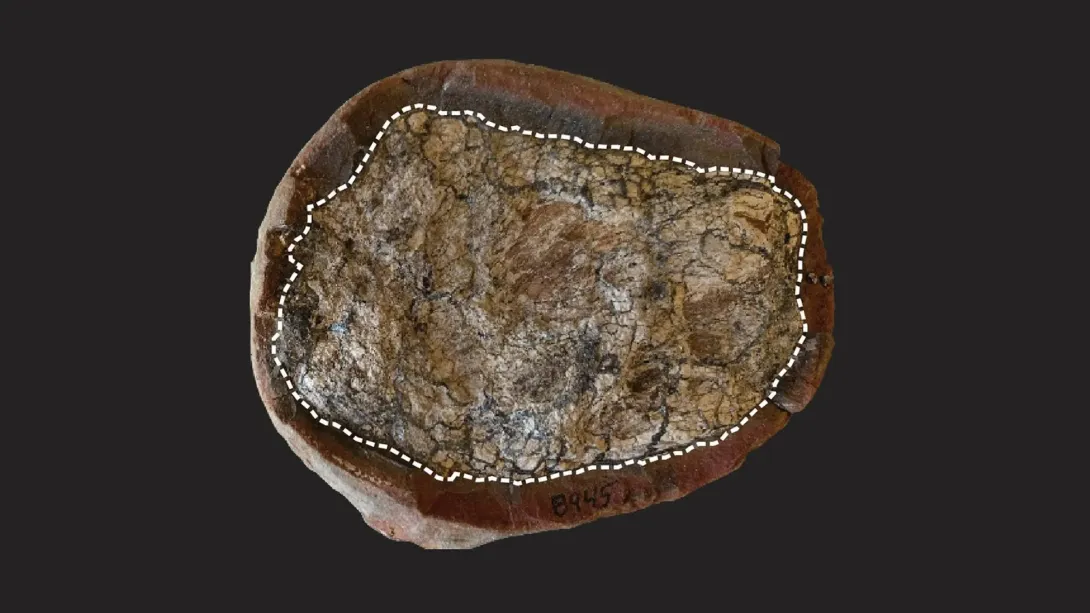
An international research team led by Curtin University has utilized 300-million-year-old coprolites from the Mazon Creek fossil site to delve into the mechanisms of molecular fossilization. Their findings, published in the journal Geobiology, reveal how delicate molecular traces, such as cholesterol derivatives indicative of a meat-based diet, are preserved over deep time. The study highlights the role of iron carbonate grains in safeguarding these biomarkers, offering new insights into ancient ecosystems and the dietary habits of prehistoric organisms.
Introduction
In a groundbreaking study, researchers have turned to ancient feces—coprolites—as a window into the past, uncovering details about prehistoric diets and the processes that preserve molecular fossils. The research, spearheaded by Curtin University and published in Geobiology, focuses on 300-million-year-old coprolites from the Mazon Creek fossil site in the United States. These specimens provide a rare glimpse into the dietary habits of ancient organisms and the preservation mechanisms that allow such delicate molecular traces to endure through deep time.
Molecular Preservation in Coprolites
The study's primary objective was to understand how molecular fossils, particularly cholesterol derivatives, are preserved in coprolites. These molecular traces serve as strong evidence of a meat-based diet in ancient organisms. Traditionally, soft tissues are fossilized through the action of phosphate minerals. However, this research discovered that iron carbonate grains play a crucial role in preserving these delicate molecules. The iron carbonate acts as a microscopic time capsule, safeguarding the biomarkers from the ravages of time and environmental factors. This finding enhances our understanding of the conditions necessary for molecular fossilization and the factors that contribute to the exceptional preservation of certain specimens.
Insights into Prehistoric Diets and Ecosystems
The analysis of these ancient coprolites has provided valuable information about the diets of prehistoric organisms. The presence of cholesterol derivatives indicates a carnivorous diet, offering direct evidence of the feeding habits of ancient animals. Moreover, the study sheds light on the broader ecological context of the time, revealing aspects of the environments in which these organisms lived. By examining the preserved molecular traces, researchers can infer details about the food sources available to these ancient creatures and the ecological interactions that shaped their existence.
Implications for Paleontological Research
This research underscores the significance of coprolites as valuable fossils that provide direct evidence of ancient diets and ecosystems. The findings have implications for paleontological research, particularly in the study of molecular fossils. Understanding the preservation mechanisms of delicate molecular traces opens new avenues for investigating the diets and behaviors of ancient organisms. Additionally, the study highlights the importance of considering various preservation factors, such as mineral composition, when interpreting fossilized specimens. These insights contribute to a more comprehensive understanding of prehistoric life and the processes that have shaped the fossil record.
Conclusion
The study of ancient coprolites has provided a wealth of information about prehistoric diets and the molecular preservation processes that allow such details to endure over millions of years. By uncovering the role of iron carbonate in safeguarding molecular fossils, researchers have enhanced our understanding of the conditions necessary for exceptional preservation. These findings not only illuminate aspects of ancient ecosystems but also pave the way for future research into the molecular aspects of paleontology. As scientific techniques continue to advance, the study of coprolites will undoubtedly remain a vital component of paleontological research, offering direct insights into the lives of ancient organisms.
Comments