With the announcement of the 8th Pay Commission earlier this year, anticipation is building across India’s administrative ecosystem. The commission is expected to recalibrate central government salaries, pensions, and allowances in accordance with prevailing economic conditions. While popularly associated with salary hikes, the commission’s broader mandate includes revisiting healthcare benefits, perks, and structural reforms in employee welfare schemes like CGHS. Beyond administrative circles, the outcomes of such reviews often ripple into the broader financial markets, influencing consumer sentiment, retail spending, and, by extension, stock market performance.
Understanding the 8th Pay Commission’s Mandate
The central government’s decision to initiate the 8th Pay Commission signals a strategic reassessment of compensation frameworks for government employees and pensioners. The commission’s core responsibility is to evaluate the adequacy of current salaries and pensions against macro-economic indicators such as inflation, cost of living, and fiscal health.
Contrary to popular belief, the commission’s task extends well beyond salary hikes. It reviews allowances, perks, and benefits, ensuring that compensation structures remain equitable, competitive, and sustainable in the face of India’s shifting economic landscape.
Reforms Beyond Remuneration: Health, Welfare, and Efficiency
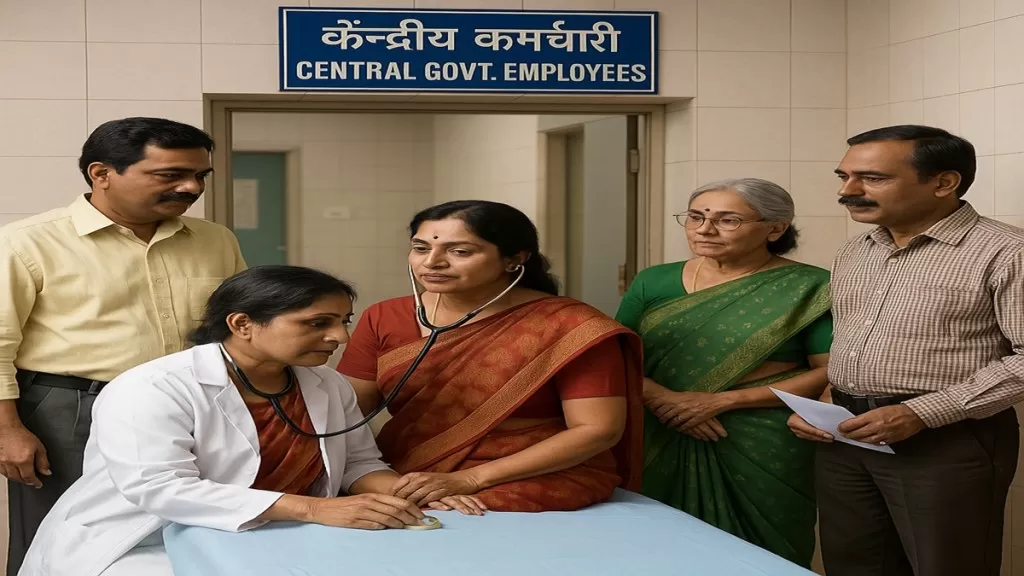
A critical, though often underappreciated, dimension of the pay commission's review involves the overhaul of welfare schemes, particularly those related to healthcare. The Central Government Health Scheme (CGHS)—a lifeline for serving and retired employees—is among the programs likely to be assessed.
The scheme currently offers comprehensive and affordable medical coverage for government workers and their families, including outpatient consultations, specialist care, diagnostics, and prescribed medications. Recommendations from the commission could lead to enhancements in coverage scope, service quality, digital integration, or even public-private partnerships to expand access and reduce inefficiencies.
Implications for Consumer Sentiment and Market Dynamics
Announcements regarding government salary revisions traditionally stimulate consumer confidence, especially among the nearly 48 lakh central employees and 67 lakh pensioners impacted directly. Historically, these revisions lead to increased disposable income, which in turn boosts retail demand, housing, and automobile sectors—providing an uplift to stock prices in those industries.
In anticipation of the commission’s eventual recommendations and implementation, investors may begin repositioning portfolios toward consumer discretionary stocks, banking, and healthcare companies that stand to benefit from a surge in spending.
Fiscal Prudence vs. Populist Pressure
While the political appeal of pay hikes is undeniable, especially ahead of elections, the government must balance this with fiscal discipline. Any significant upward revision in pay and pensions increases the burden on the exchequer and could affect inflationary trends or bond yields.
Thus, the commission’s work is likely to be both nuanced and data-driven, aiming to maintain economic stability while supporting the welfare of government personnel. Its recommendations could also influence future reforms in the public sector employment model, potentially introducing performance-linked incentives or digitized benefits administration.
Conclusion: More Than a Pay Raise—A Barometer of Economic Policy
The 8th Pay Commission’s review will go far beyond mere salary recalibrations. It will act as a reflection of the government’s fiscal vision, a catalyst for reforms in public service, and an indirect influencer of stock market behavior. As the commission begins its work, policymakers, investors, and employees alike will be watching closely—not just for numbers on a pay slip, but for signals on the direction of India’s broader economic and administrative priorities.
Comments