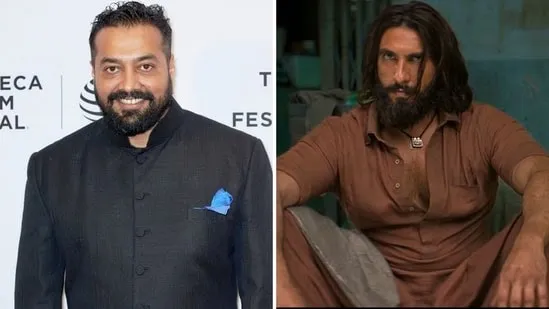
Filmmaker Anurag Kashyap has offered measured praise for Dhurandhar, calling the film “brilliant” for its cinematic craftsmanship despite expressing reservations about its political undertones. In a candid assessment, Kashyap said he chose to overlook what he described as propagandist dialogue and instead focused on the strength of the filmmaking. His remarks have reignited debate around the separation of art and ideology in contemporary Indian cinema. The comments underscore a broader industry conversation about creative merit, artistic intent, and whether strong execution can transcend contentious narratives.
A Nuanced Endorsement from a Veteran Filmmaker
Known for his forthright views and uncompromising artistic standards, Anurag Kashyap rarely offers unqualified praise. His comments on Dhurandhar therefore carry particular weight. While acknowledging that the film contains overt political messaging, Kashyap emphasized that its technical execution, narrative construction, and directorial control stood out.
By choosing to engage with the film’s form rather than its ideological content, he framed his response as an evaluation of cinema as craft rather than commentary.
Separating Filmmaking from Ideology
Kashyap’s remarks reflect a long-standing debate within creative industries: can a film be appreciated for its artistry even if its message is polarizing? He suggested that by ignoring certain dialogues, he was able to appreciate the director’s command over pacing, visuals, and storytelling mechanics.
This perspective resonates with many within the film fraternity who argue that technical excellence and narrative ambition deserve recognition, independent of political alignment.
Industry Reactions and Broader Implications
The response has sparked discussion among filmmakers, critics, and audiences alike. Some view Kashyap’s stance as a mature acknowledgment of cinematic skill, while others question whether art can—or should—be separated from its ideological intent.
For an industry increasingly navigating politically charged narratives, the episode highlights the fine balance between creative freedom and social responsibility.
A Reflection of Evolving Indian Cinema
Kashyap’s assessment of Dhurandhar ultimately points to a larger shift in Indian cinema, where films are becoming more assertive in theme and tone. His comments suggest that even divisive projects can contribute meaningfully to the cinematic landscape if they push boundaries in form and execution.
As debates around content and context continue, Dhurandhar stands as a case study in how craft-driven filmmaking can provoke conversation well beyond the screen.
Comments