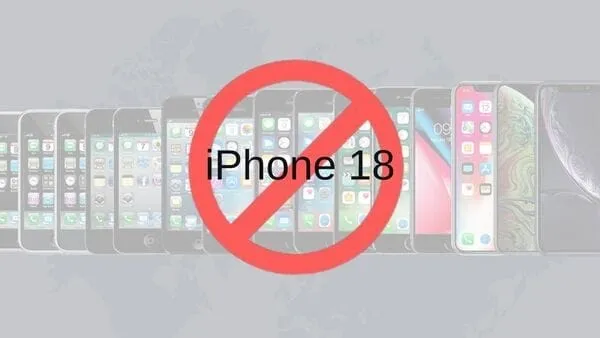
Apple is reportedly preparing a major shift in its flagship product strategy by potentially skipping the iPhone 18 series and instead introducing its first foldable iPhone in 2026. This development underscores Apple’s readiness to enter a segment currently dominated by competitors such as Samsung and Huawei. While the company has been conservative about entering the foldable race, industry insiders suggest the delay has allowed Apple to refine durability, battery life, and design standards. If realized, the foldable iPhone could mark one of the most significant turning points in the brand’s innovation timeline.
A Strategic Break from Tradition
Apple has maintained a steady cadence of annual iPhone releases, with each iteration building on its predecessor. The possibility of bypassing the iPhone 18 indicates a deliberate strategy to reframe the iPhone’s evolution. Instead of incremental upgrades, Apple may aim to disrupt the smartphone market with a leap toward foldable technology, positioning itself at the premium edge of innovation.
The Foldable Vision
Foldable smartphones have been gaining traction globally, with early adopters embracing their multitasking features and expansive displays. However, most devices in this category have struggled with long-term durability, hinge design, and pricing. Apple’s cautious approach suggests the company is waiting to overcome these industry hurdles before debuting its version. A foldable iPhone is expected to integrate high-performance hardware, cutting-edge display technology, and seamless software optimization to deliver a distinctive user experience.
Market Implications
If Apple unveils a foldable iPhone in 2026, the move could reshape consumer expectations in the premium smartphone sector. Apple’s loyal customer base, coupled with its reputation for design excellence, would likely drive mainstream adoption of foldables beyond niche audiences. Furthermore, this transition may redefine how users interact with smartphones, blending the convenience of portability with the versatility of tablet-sized displays.
Competitive Landscape
Rival companies such as Samsung, Oppo, and Huawei have already established a strong presence in foldable devices, giving them an early lead. However, Apple’s late entry could work to its advantage, as it can avoid early design flaws while capitalizing on advancements in foldable screen technology. The brand’s ecosystem integration—spanning iOS, iCloud, and wearable devices—will also likely provide a competitive edge.
Outlook
While the decision to bypass the iPhone 18 is not yet confirmed, industry speculation points to a carefully calculated move. For Apple, introducing a foldable iPhone in 2026 would represent more than just a new product—it would signify a redefinition of its iconic device. If successful, the launch could establish a new benchmark for premium smartphones and strengthen Apple’s dominance in an increasingly saturated market.
Comments