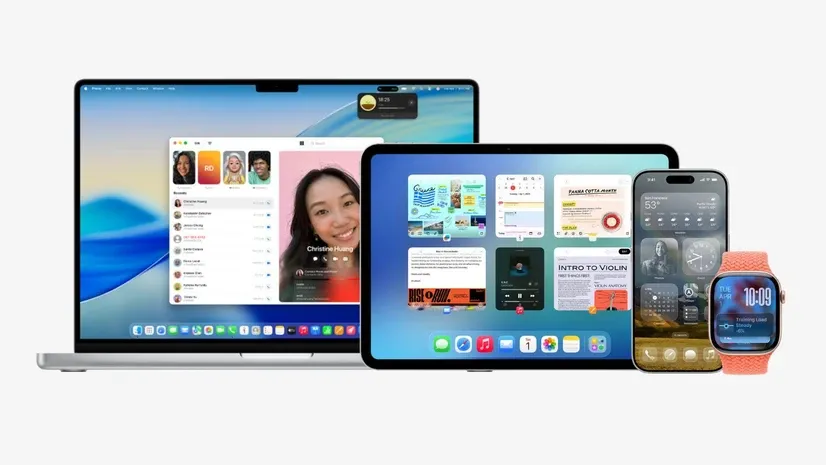
Apple has officially released iOS 26, its latest operating system, marking a significant leap in design and functionality for iPhone users worldwide. The update introduces the much-anticipated Liquid Glass design language, offering a futuristic, fluid aesthetic that enhances the overall user interface. Beyond visuals, iOS 26 brings meaningful performance improvements, privacy enhancements, and AI-driven features, strengthening Apple’s competitive edge in the premium smartphone market. As the global technology race intensifies, this launch demonstrates Apple’s continued ability to blend innovation with usability, reinforcing its ecosystem’s position as the benchmark for mobile operating systems.
A New Era of Design: Liquid Glass
The highlight of iOS 26 is its Liquid Glass design, which redefines the look and feel of the iPhone interface. With translucent layers, dynamic reflections, and subtle animations, the design aims to create a more immersive and responsive experience. Apple’s designers have described this aesthetic as a natural evolution of the flat design language introduced years ago, now elevated with depth and realism. The Liquid Glass approach not only enhances visual appeal but also improves readability and intuitive navigation.
Key Functional Enhancements
iOS 26 introduces a suite of new tools to improve user productivity and personalization. Among them are enhanced AI-powered Siri interactions, offering smarter contextual responses and predictive assistance. Privacy controls have also been expanded, giving users greater oversight of app permissions and data sharing. Battery optimization algorithms promise longer device longevity, while updates to the Camera and Photos apps offer advanced editing capabilities powered by machine learning.
Market Impact and Adoption
With Apple’s devices already commanding a premium share of the smartphone market, iOS 26 is expected to accelerate upgrade cycles, particularly among users of older iPhone models. The rollout aligns with Apple’s broader strategy of integrating AI into everyday mobile experiences, positioning the company strongly against rivals like Google and Samsung. Analysts predict that the design overhaul will spark renewed interest in the iPhone ecosystem, especially in key markets such as India and Southeast Asia, where premium smartphone adoption is climbing steadily.
Outlook for Apple’s Ecosystem
The release of iOS 26 reflects Apple’s long-term vision of merging cutting-edge technology with seamless design. By advancing both aesthetics and functionality, Apple continues to strengthen its ecosystem’s stickiness, ensuring user retention and higher adoption of its services, from iCloud to Apple Music. As the mobile OS market becomes increasingly competitive, iOS 26 signals Apple’s determination to remain not just a participant but the standard-setter for the global smartphone industry.
Comments