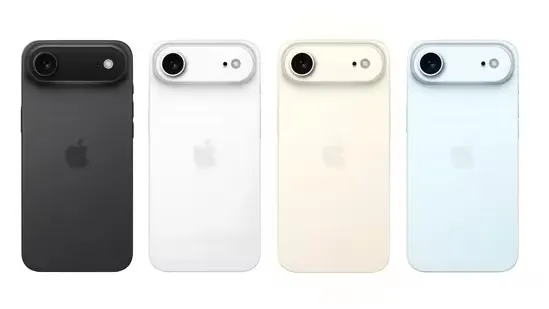
Apple has officially introduced the iPhone 17 series at its global “Awe Dropping” event, underscoring its continued dominance in the premium smartphone market. The lineup includes four models—iPhone 17, iPhone 17 Air, iPhone 17 Pro, and iPhone 17 Pro Max—each delivering major upgrades in performance, design, and artificial intelligence integration. Notably, the ultra-slim iPhone 17 Air, at just 5.5 mm thick, positions itself as the thinnest iPhone to date. Equipped with the next-generation A19 and A19 Pro chipsets, brighter and more efficient displays, expanded RAM, and enhanced camera systems, the series is engineered to capture high-value consumers while reinforcing Apple’s technological and brand supremacy.
The Event and Its Significance
Apple’s September launch event is more than a product reveal; it is a strategic demonstration of the company’s long-term positioning. The iPhone 17 series comes at a time when competition from Samsung, Google, and emerging Chinese players has intensified, especially in the premium and foldable segments. By focusing on hardware efficiency, AI-powered features, and ecosystem integration, Apple seeks not only to retain market leadership but also to set new consumer expectations globally.
Models and Pricing Outlook
The iPhone 17 family comprises:
iPhone 17 (standard edition)
iPhone 17 Air (ultra-thin flagship)
iPhone 17 Pro
iPhone 17 Pro Max
Market analysts expect the entry model to be priced around $799 (approximately Rs. 70,500), consistent with Apple’s pricing strategy to maintain volume sales while ensuring profitability. The Pro models are anticipated to command significantly higher price points, targeting professional users and high-end consumers.
Technological Innovations
Performance and Efficiency
The series debuts Apple’s A19 chip, with Pro variants featuring the more powerful A19 Pro. Built on cutting-edge fabrication, these processors enhance multitasking, graphics performance, and machine-learning efficiency while offering improved energy management.
Camera and Display Enhancements
The Pro models feature a 48MP telephoto lens, reinforcing Apple’s push into professional-grade mobile photography. Displays are brighter, more energy efficient, and optimized for prolonged 4K video recording at 60fps—appealing to both creators and power users.
Design Differentiation
The standout iPhone 17 Air, measuring just 5.5 mm in thickness, represents Apple’s commitment to minimalism without sacrificing performance. Its engineering demonstrates Apple’s capacity to compress high-powered hardware into an ultra-thin form factor.
Broader Market Impact
Apple’s unveiling signals a continued focus on high-margin innovation rather than cost-driven competition. By reinforcing its reputation for luxury, performance, and exclusivity, Apple ensures that its devices remain aspirational worldwide. The launch will also influence supply chain ecosystems, boosting demand for advanced semiconductors, OLED panels, and precision manufacturing technologies.
Conclusion
The iPhone 17 series is not just an incremental update but a statement of Apple’s intent to redefine the premium smartphone space. With its balance of advanced silicon, design excellence, and ecosystem intelligence, the new lineup sets the tone for the industry while compelling rivals to accelerate their innovation cycles.
Comments