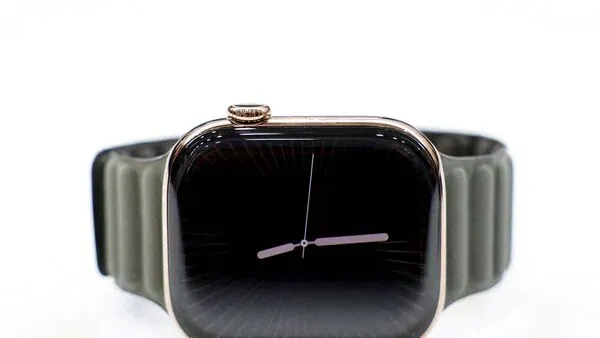
Apple has achieved a major milestone in digital health innovation, with the Apple Watch Series 11 receiving approval from the U.S. Food and Drug Administration (FDA) for its hypertension detection feature. This advancement positions the smartwatch as more than a fitness accessory, evolving it into a certified medical tool for monitoring cardiovascular health. By integrating advanced sensors and AI-driven algorithms, Apple aims to empower users to detect early signs of high blood pressure, potentially reducing risks associated with stroke and heart disease. Industry experts believe this approval could reshape the wearables market and redefine personal healthcare monitoring.
A New Era in Digital Health
With FDA clearance, the Apple Watch Series 11 moves beyond wellness tracking into regulated medical-grade technology. The hypertension feature uses optical sensors and machine learning to monitor blood flow and patterns, alerting users to elevated blood pressure levels. Unlike conventional cuff-based devices, the smartwatch offers a non-invasive, real-time solution that integrates seamlessly into daily life.
Why Hypertension Monitoring Matters
Hypertension, often referred to as the “silent killer,” affects over a billion people globally. Left undiagnosed, it significantly increases the risk of heart attack, stroke, and kidney disease. By embedding this functionality into a wearable, Apple is addressing one of the most pressing global health challenges. For users, the convenience of continuous monitoring could encourage proactive management, reducing reliance on irregular clinic visits and delayed diagnoses.
Technology Behind the Feature
The hypertension tool leverages a combination of photoplethysmography sensors, pulse transit time analysis, and AI modeling. These technologies work together to approximate blood pressure trends with clinical accuracy. While not a replacement for professional medical evaluations, the feature provides early warnings and actionable insights, prompting users to seek timely care.
Market and Industry Implications
Apple’s move strengthens its dominance in the wearables market, where competitors such as Samsung, Fitbit, and Garmin are also racing to integrate advanced health-tracking features. FDA approval gives Apple a credibility edge, opening doors for partnerships with healthcare providers, insurers, and telemedicine platforms. Analysts predict this development could drive a surge in smartwatch adoption, especially among health-conscious and aging populations.
Outlook: Technology Meets Preventive Care
The FDA’s nod to Apple Watch Series 11 underscores a broader trend of technology converging with healthcare. By turning a consumer gadget into a trusted health device, Apple is not only redefining wearables but also reinforcing its ambition to be a serious player in digital medicine. If widely adopted, the hypertension feature could help millions of users detect early warning signs, shifting the healthcare paradigm from reactive treatment to preventive care.
Comments