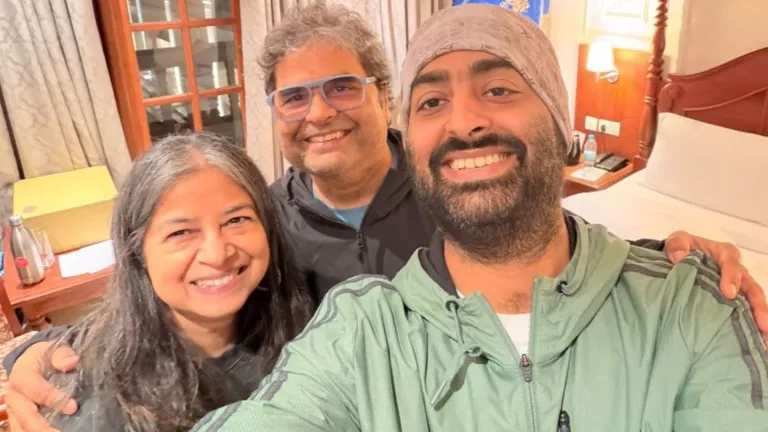
Renowned playback singer Arijit Singh’s announcement regarding his retirement from active singing has sent ripples across India’s music industry and fan community. Known for reshaping contemporary Bollywood music with emotional depth and technical finesse, Singh’s statement has prompted widespread discussion about artistic longevity, creative burnout, and evolving career choices in entertainment. While details around timelines and future involvement remain measured, the announcement marks a significant moment for an industry deeply influenced by his voice. Analysts and musicians alike view the development as an opportunity to reflect on sustainability in creative professions and the changing priorities of artists at the peak of their careers.
The Announcement and Immediate Reaction
Arijit Singh’s retirement announcement quickly gained traction across media platforms, triggering an outpouring of responses from fans, fellow artists, and industry leaders. Social media channels were flooded with tributes highlighting his contribution to modern Indian music.
While Singh did not frame the decision as an abrupt exit, the announcement was interpreted as a shift away from full-scale professional commitments, rather than a complete disengagement from music.
A Career That Redefined Modern Playback Singing
Over the past decade, Arijit Singh has become synonymous with emotional authenticity in film music:
- Chart-Dominating Discography: Hundreds of songs across languages, consistently topping streaming and radio charts.
- Commercial Impact: His presence often served as a commercial anchor for film soundtracks.
- Cultural Influence: Singh’s style influenced a generation of singers and reshaped audience expectations of playback music.
Music industry executives estimate that films featuring his songs benefited from higher pre-release engagement and soundtrack revenues, underlining his market value.
Industry Implications of the Decision
Singh’s announcement has broader implications for the music business:
- Talent Transition: Opens space for emerging voices while increasing competition among established singers.
- Economic Impact: Music labels and film producers may need to recalibrate strategies traditionally built around star vocalists.
- Artist Well-Being: Renewed focus on workload, mental health, and creative sustainability in high-pressure creative industries.
Industry analysts note that the decision reflects a maturing creative economy, where longevity is increasingly prioritized over volume.
Fan Sentiment and Cultural Resonance
Fans have responded with a mix of admiration and concern. Many expressed respect for Singh’s decision, acknowledging the personal cost of sustained public life, while others voiced hope for selective projects, live performances, or mentorship roles.
The reaction highlights the deep emotional bond between audiences and artists, particularly in a market where music plays a central cultural role.
What Lies Ahead
While the term “retirement” has drawn headlines, observers believe Singh may continue to engage with music in alternative capacities:
- Selective Collaborations
- Independent or Non-Film Projects
- Mentorship and Curation Roles
Such pathways would allow him to remain creatively involved while stepping back from the relentless pace of mainstream playback singing.
Conclusion
Arijit Singh’s retirement announcement marks a defining moment for India’s music industry. Beyond the headlines, it signals a broader shift in how creative success, personal fulfillment, and professional sustainability are balanced. Whether this phase represents a full departure or a strategic pause, Singh’s legacy remains firmly embedded in the soundscape of modern Indian cinema. His decision invites both the industry and audiences to reconsider how artistic excellence is nurtured, preserved, and respected over time.
Comments