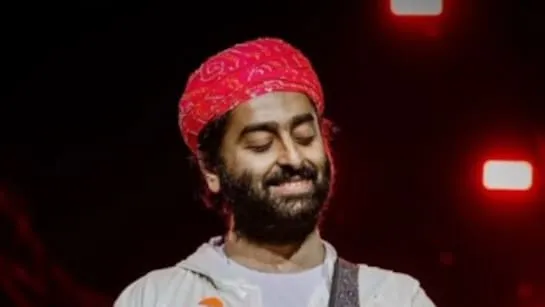
Veteran music composer Monty Sharma recently remarked on the staggering fee charged by playback sensation Arijit Singh—an estimated Rs. 2 crore per live performance. The comment, while casual, has triggered conversations within the entertainment and music industries about artist remuneration, evolving market dynamics, and the monetization of celebrity in India’s booming live entertainment sector. As Singh’s popularity continues to soar, his asking price underscores a broader shift in the valuation of live music experiences, placing top-tier performers in a league of their own amid India’s growing appetite for high-profile concerts.
Arijit Singh’s Dominance in the Live Music Circuit
Arijit Singh, known for his soulful voice and emotional range, has become a household name across India and among the global diaspora. His consistent presence in blockbuster soundtracks and emotionally resonant compositions has cemented his status as one of the most sought-after voices in Indian music.
Monty Sharma, who composed the score for Saawariya and other acclaimed projects, recently highlighted Singh’s fee structure—Rs. 2 crore per live concert. This revelation not only speaks to Singh’s commercial draw but also reflects the inflated value of live performances in today’s entertainment ecosystem.
Evolving Economics of Concert Performances
The Indian live entertainment industry has transformed significantly over the past decade. With rising disposable incomes, brand-sponsored festivals, and digital amplification of events, artists now command astronomical fees that would have seemed unthinkable a few years ago. Arijit Singh’s performance fee—if accurate—places him among the highest-paid entertainers in the country.
Such figures are not just reflections of an artist’s talent, but of logistical value, audience pull, and brand associations. Promoters and event managers often justify these numbers based on ticket sales, sponsorship deals, and merchandise revenue—all of which hinge on the marquee value a performer like Singh brings.
Industry Divided on Justification
Monty Sharma’s remarks have sparked mixed reactions within the industry. While some insiders believe Singh’s fees are warranted given his unmatched fan following and consistent chart-topping hits, others see it as a sign of growing income disparity among artists.
Emerging singers, in particular, face a steep climb in an environment where a few dominant voices command overwhelming market share. Critics argue that such concentrated pricing power could stifle diversity in live music lineups, pushing lesser-known talents further into the shadows.
The Celebrity Monetization Model
Singh’s remuneration also represents a larger trend of celebrity monetization in Indian entertainment. From brand endorsements and private gigs to digital streaming royalties, artists are no longer reliant solely on film playback for income. The live circuit, once viewed as supplementary, has become a primary source of revenue for top-tier talent.
Moreover, such fees are often negotiated not just on performance quality, but on the artist's social media reach, media footprint, and alignment with luxury or aspirational branding—a dynamic increasingly mirroring the Hollywood model of entertainment valuation.
A Benchmark or a Bubble?
The revelation of Singh’s performance fee raises an important question: is this the beginning of a new normal or a short-lived bubble inflated by demand post-pandemic? As India embraces global-standard music festivals and arena-sized concerts, performers with proven drawing power will naturally command premium rates. However, long-term sustainability will depend on balancing artistic merit, ticket affordability, and industry-wide equity.
For now, Arijit Singh stands as both a musical phenomenon and a case study in the economics of fame—a voice that not only moves millions emotionally but also drives millions in revenue.
Comments