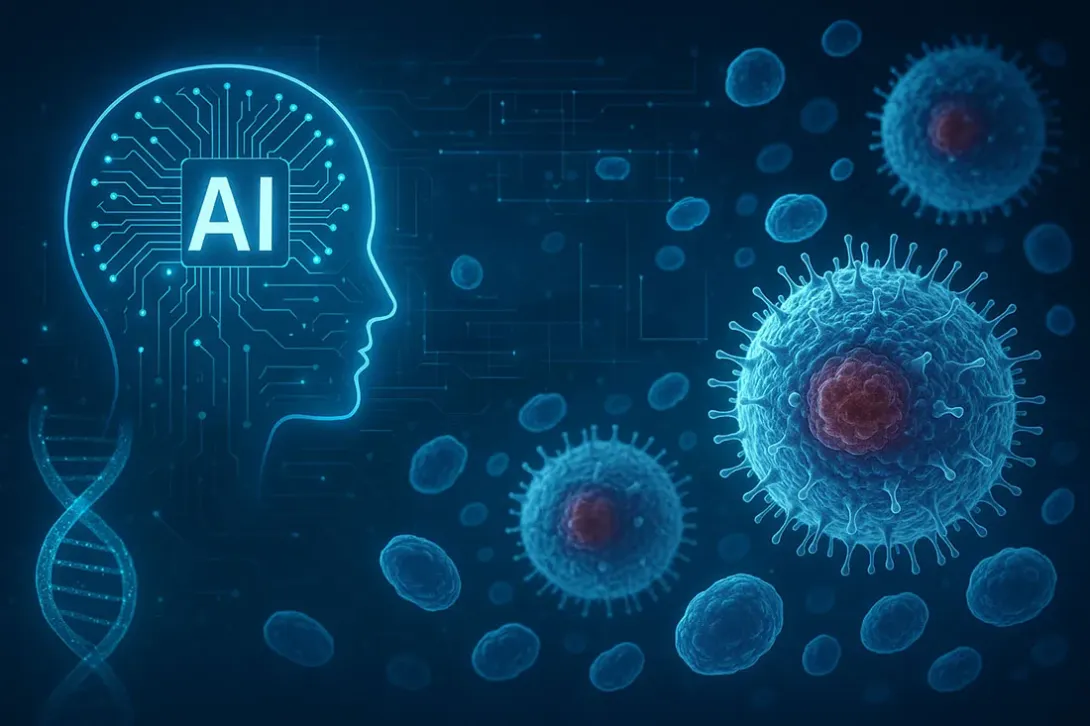
Artificial intelligence (AI) is revolutionizing oncology by enhancing early cancer detection, treatment planning, and patient monitoring. Leveraging machine learning algorithms, AI systems can analyze vast datasets—including medical imaging, genetic profiles, and clinical records—to identify malignant patterns with unprecedented accuracy. Recent studies indicate that AI-assisted diagnostics can reduce misdiagnosis rates and accelerate treatment decisions, potentially improving patient survival outcomes. Beyond detection, AI is being integrated into personalized therapy planning, predicting responses to chemotherapy, immunotherapy, and targeted drugs. These innovations highlight the transformative potential of AI in healthcare while raising ethical, regulatory, and clinical implementation considerations for practitioners worldwide.
AI in Early Cancer Detection
AI-powered imaging platforms analyze mammograms, CT scans, MRIs, and histopathological slides to detect early-stage tumors that may be missed by human clinicians. Advanced neural networks can identify subtle anomalies, quantify tumor size, and track growth over time.
Studies show AI-assisted detection improves sensitivity and specificity, enabling oncologists to intervene earlier, when treatment outcomes are generally more favorable. Integration with genomic data further refines risk assessments, particularly for high-risk populations.
Personalized Treatment and Predictive Analytics
AI models predict patient responses to various treatment modalities, helping oncologists customize chemotherapy, immunotherapy, or targeted therapy regimens. By simulating multiple therapeutic scenarios, AI systems optimize dosing schedules and minimize adverse effects.
Predictive analytics also forecast disease progression, relapse likelihood, and potential complications, empowering physicians to make evidence-based decisions and improve overall care efficiency.
Research and Drug Discovery
AI accelerates oncology research by identifying novel biomarkers, drug targets, and molecular pathways. Machine learning algorithms can process massive datasets from clinical trials and molecular databases to predict which compounds may effectively combat specific cancer types.
This computational approach reduces the time and cost of drug development, offering potential breakthroughs in rare or treatment-resistant cancers.
Ethical, Regulatory, and Implementation Considerations
Despite its promise, AI in oncology raises critical questions regarding patient privacy, algorithmic bias, and clinical accountability. Regulatory agencies are developing frameworks to ensure AI tools meet safety and efficacy standards, while healthcare institutions must train clinicians to interpret AI-generated insights responsibly.
Collaboration between AI developers, medical professionals, and policymakers is essential to balance innovation with ethical standards and equitable access.
Future Outlook
As AI technology matures, its integration into standard oncology practice is expected to expand globally. Continuous improvements in algorithms, data interoperability, and interpretability will strengthen early detection, enhance treatment personalization, and optimize clinical workflows.
Ultimately, AI’s role in cancer care exemplifies the convergence of cutting-edge technology and medicine, offering hope for improved outcomes, cost-effective interventions, and a more precise understanding of one of humanity’s most challenging diseases.
Comments