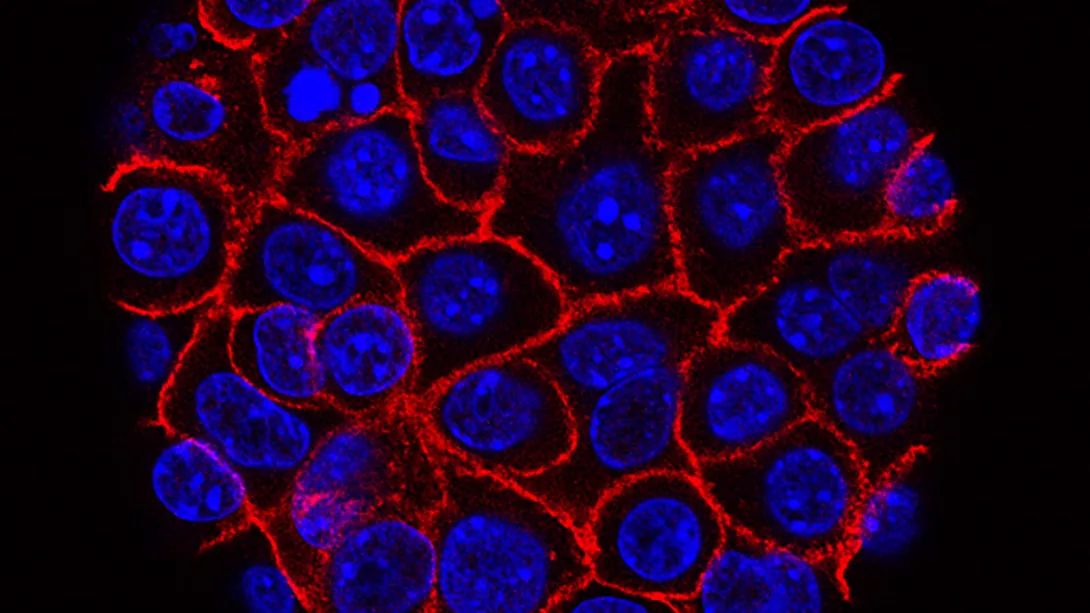
Artificial intelligence (AI) is rapidly transforming oncology, offering unprecedented precision in cancer detection, diagnosis, and treatment planning. Advanced machine learning algorithms can analyze vast datasets—from medical imaging to genomic sequences—identifying subtle patterns often missed by human evaluation. These innovations enhance early detection rates, optimize personalized therapy selection, and reduce healthcare costs by streamlining diagnostic workflows. Industry analysts project that AI-driven oncology solutions could save healthcare systems billions of rupees annually while improving patient outcomes. As hospitals, biotech firms, and research institutions increasingly integrate AI into clinical protocols, the technology is poised to redefine the economics and efficacy of cancer care.
AI in Early Cancer Detection
Artificial Intelligence is being deployed to identify malignancies at earlier, more treatable stages. Machine learning models can rapidly process medical imaging—such as CT scans, MRIs, and mammograms—detecting anomalies with sensitivity and specificity surpassing traditional methods.
Early detection is crucial for improving survival rates and reducing treatment expenditure. In India, for example, late-stage diagnoses of breast, lung, and oral cancers incur cumulative costs running into several thousand crores of rupees annually. AI-powered imaging tools promise to decrease both direct medical costs and indirect economic burdens, such as lost productivity.
Personalized Treatment Planning
Beyond diagnostics, AI algorithms are increasingly guiding treatment decisions. By analyzing patient-specific genomic and proteomic data, AI platforms can predict tumor response to chemotherapy, immunotherapy, or targeted drugs.
This precision oncology approach reduces trial-and-error treatments, minimizing adverse effects and optimizing resource allocation. For healthcare providers, AI integration translates into improved workflow efficiency, reduced hospitalization costs, and more effective allocation of expensive therapeutic interventions.
Economic and Operational Impacts
AI’s application in oncology carries significant financial implications. Automated diagnostic systems and predictive models can lower reliance on costly laboratory tests, reduce manual radiology workloads, and shorten treatment timelines.
Industry estimates suggest that widespread adoption of AI in cancer care could reduce healthcare expenditure by up to 20–30% in high-burden hospitals. In addition, AI platforms are attracting substantial venture capital and corporate investment, signaling confidence in their long-term commercial viability.
Furthermore, AI-enabled telemedicine and remote diagnostics expand access to oncology care in underserved regions, mitigating disparities and generating potential cost savings for public health systems.
Challenges and Ethical Considerations
Despite promising outcomes, AI adoption in cancer care faces challenges, including data privacy concerns, algorithmic bias, and integration with existing hospital infrastructure. Ensuring transparency in AI decision-making and maintaining clinician oversight remain critical to patient safety.
Regulatory frameworks must evolve to address these issues, balancing innovation with accountability. Collaboration between technology developers, healthcare professionals, and policymakers is essential to establish standards for validation, monitoring, and reimbursement.
The Future of AI-Driven Oncology
Artificial intelligence is positioned to become an indispensable tool in the global fight against cancer. By accelerating early detection, personalizing treatment, and optimizing operational efficiency, AI offers both clinical and economic value.
For hospitals, biotech firms, and investors, the convergence of AI and oncology represents a transformative opportunity to improve patient outcomes while managing costs. As the technology matures, AI is likely to shift from a supplementary tool to a central pillar of modern cancer care, redefining both medical practice and healthcare economics.
Comments