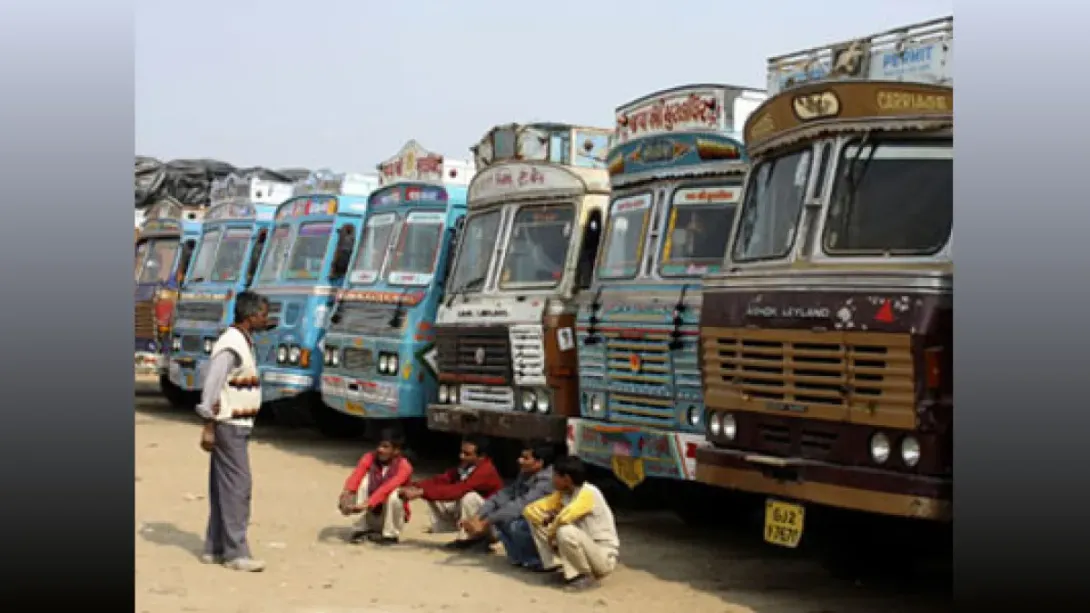
Ahead of the Union Budget 2026-27, Ashok Leyland, one of India’s leading commercial vehicle manufacturers, has advocated for a scrappage incentive for ageing trucks to boost fleet modernization and curb environmental pollution. The company emphasizes that financial incentives for retiring older trucks would stimulate demand for new vehicles, improve fuel efficiency, and reduce carbon emissions. Analysts suggest that such measures could invigorate India’s commercial vehicle sector, drive industrial growth, and enhance road safety. Ashok Leyland’s proposal aligns with government objectives of sustainable transport and cleaner mobility, highlighting the intersection of industrial policy, fiscal incentives, and environmental responsibility in shaping India’s automotive future.
Strategic Push for Fleet Modernization
Ashok Leyland has requested a structured scrappage policy targeting commercial vehicles aged over 15 years. The proposed incentive would reduce the upfront cost for fleet operators purchasing new trucks, stimulating replacement cycles and boosting domestic manufacturing.
Management argued that scrappage incentives are critical for modernizing India’s truck fleet, which currently operates with high average vehicle age, impacting operational efficiency, maintenance costs, and emissions.
Environmental and Economic Rationale
The initiative is expected to reduce fuel consumption and vehicular emissions, contributing to cleaner air and lower carbon footprints in line with India’s climate commitments. Analysts note that modern trucks with advanced emission standards (BS-VI and beyond) are more fuel-efficient and safer, supporting both economic and environmental goals.
Financial incentives could also catalyze industrial growth, generating demand for vehicle components, engines, and associated services across the automotive supply chain.
Market and Industry Impact
A scrappage policy could rejuvenate demand in the commercial vehicle sector, where growth has been cyclical and dependent on fleet renewal. OEMs like Ashok Leyland stand to benefit from increased sales, while logistics operators would gain from improved fleet reliability and lower total cost of ownership.
Industry experts anticipate a positive multiplier effect on related sectors, including financing, insurance, and infrastructure services, if structured incentives are introduced.
Outlook and Policy Considerations
Ashok Leyland’s proposal signals a convergence of industrial growth, environmental responsibility, and fiscal policy. Analysts suggest that a well-calibrated truck scrappage scheme could accelerate fleet modernization, reduce pollution, and enhance road safety while driving manufacturing momentum.
The upcoming Budget 2026-27 may incorporate such measures, reflecting the government’s emphasis on sustainable transport solutions, technological upgrades, and economic stimulus through strategic incentives in the automotive sector.
Comments