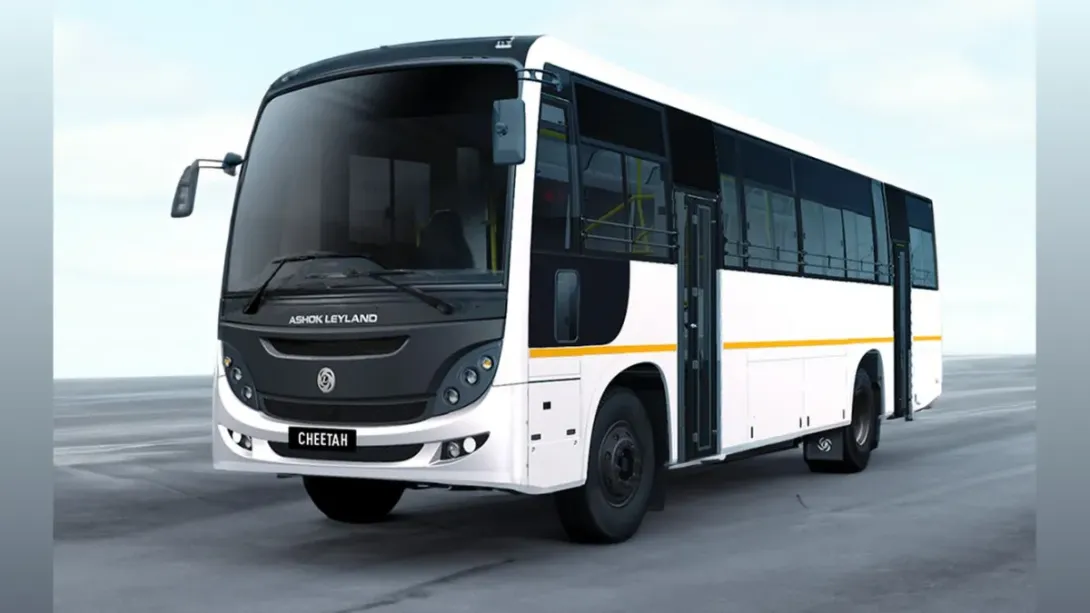
Commercial vehicle giant Ashok Leyland Ltd. reported a 7% year-on-year increase in consolidated net profit to Rs 820 crore for the second quarter (Q2 FY25), supported by steady demand in the medium and heavy commercial vehicle (M&HCV) segment and improved operating efficiencies. The company’s revenue for the quarter rose moderately, reflecting resilient performance despite industry-wide cost pressures and uneven rural demand. With strategic investments in electric mobility and product innovation, Ashok Leyland continues to consolidate its leadership position in India’s commercial vehicle market, signaling confidence in the country’s broader infrastructure and economic growth momentum.
Solid Financial Performance Amidst a Competitive Landscape
Ashok Leyland posted a consolidated net profit of Rs 820 crore in the July–September quarter of FY25, marking a 7% growth from Rs 768 crore in the same period last year. The company’s revenue from operations stood at Rs 11,200 crore, up nearly 3% year-on-year, reflecting stable demand across core vehicle segments despite macroeconomic challenges and fluctuating fuel costs.
The company’s EBITDA (earnings before interest, tax, depreciation, and amortization) for the quarter stood at Rs 1,220 crore, with an EBITDA margin of 10.9%, supported by cost optimization measures, operational efficiencies, and favorable product mix. The management attributed the performance to a continued recovery in industrial activity, government-led infrastructure spending, and a strong revival in freight movement across major routes.
Demand Drivers: Infrastructure, Fleet Replacement, and Exports
The M&HCV segment, which contributes a major portion of Ashok Leyland’s sales, remained buoyant on the back of infrastructure expansion, highway construction, and e-commerce-driven logistics demand. Additionally, fleet replacement cycles, spurred by the rollout of BS-VI Stage II emission norms, have encouraged fleet owners to upgrade to new-generation vehicles offering better fuel efficiency and performance.
Exports also contributed positively, with the company witnessing growing demand from Africa, the Middle East, and Latin America. The management highlighted that the export order book remains healthy, particularly for defense and specialized vehicles, providing a stable revenue stream amid domestic market fluctuations.
Strategic Focus on Electrification and Future Mobility
In line with its long-term sustainability goals, Ashok Leyland has accelerated its push into the electric mobility segment through its subsidiary Switch Mobility. The company is actively expanding its EV product portfolio, which includes electric buses, light commercial vehicles (LCVs), and future-ready urban transport solutions.
Recent developments include the commissioning of new electric bus deliveries for public transport networks in major Indian cities and collaborations for developing next-generation electric platforms. The management stated that investments in technology, localization of EV components, and partnerships for charging infrastructure will remain central to Ashok Leyland’s growth roadmap.
Operational Efficiency and Cost Management
Despite global supply chain headwinds, Ashok Leyland maintained a strong focus on operational excellence. The company successfully optimized material costs, enhanced vendor efficiency, and streamlined logistics operations, leading to better working capital management.
Chief Financial Officer Gopal Mahadevan emphasized that the company’s disciplined capital allocation strategy and prudent cost control helped sustain profitability while continuing investments in product innovation and digital transformation. He further noted that the company aims to maintain double-digit EBITDA margins through a balanced approach to growth and efficiency.
Industry Outlook and Strategic Roadmap
India’s commercial vehicle sector continues to benefit from economic recovery, government spending on infrastructure, and rural connectivity programs. Industry analysts forecast that demand will remain steady in the near term, supported by growth in construction, mining, and logistics sectors.
Ashok Leyland, with its diversified product portfolio and expanding international presence, is well-positioned to capture this momentum. The company plans to introduce multiple new models in the intermediate and light commercial vehicle categories, further enhancing its competitive edge.
Furthermore, Ashok Leyland’s focus on digital integration, sustainability, and innovation is expected to drive long-term value creation. The company’s management reiterated its commitment to becoming a global top-10 CV manufacturer while maintaining a strong financial foundation.
Conclusion: A Steady Growth Path Ahead
Ashok Leyland’s Q2 performance demonstrates resilience, strategic clarity, and operational discipline in a challenging macroeconomic environment. The steady rise in profit and sustained market share reaffirm the company’s ability to adapt to changing industry dynamics while advancing toward sustainable mobility.
As the commercial vehicle sector evolves with rapid technological shifts and green transition imperatives, Ashok Leyland’s balanced approach—anchored in innovation, efficiency, and customer-centricity—positions it for sustained profitability and leadership in the coming quarters.
Comments