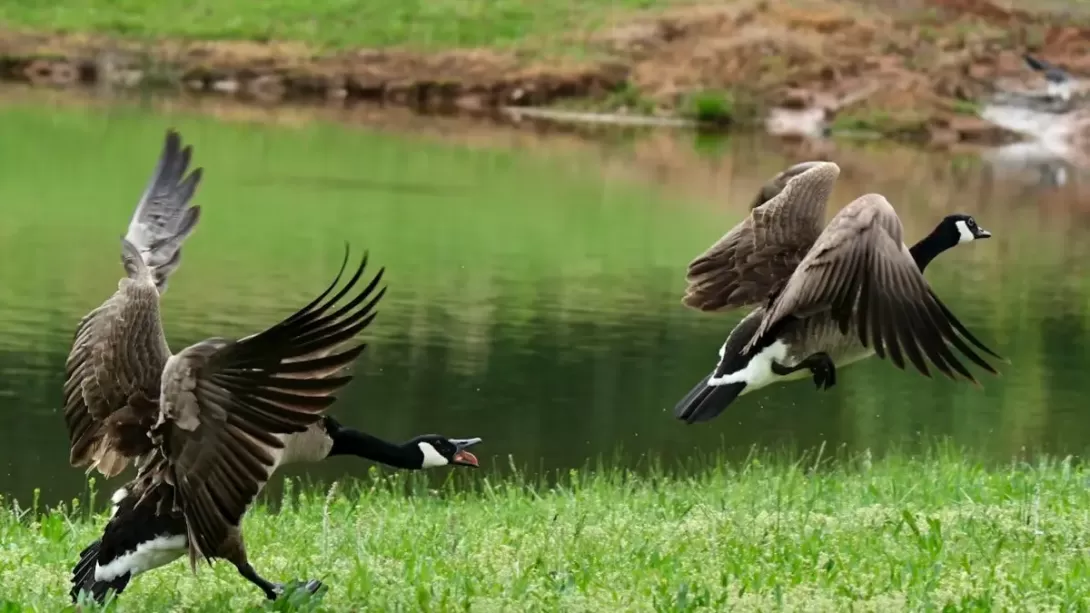
A mounting crisis is unfolding as the H5N1 avian influenza virus spreads across North America, triggering alarm among virologists and public health experts. With over 168 million poultry culled since 2022, 70+ human infections reported, and confirmed transmission to dairy herds, the threat of a future pandemic is looming large. The Global Virus Network (GVN) has issued a comprehensive call to action, urging governments to strengthen surveillance, biosecurity, and vaccine preparedness. Experts highlight parallels with past pandemics, underscoring the urgent need for coordinated international action and improved infrastructure to preempt human-to-human transmission of this highly pathogenic virus.
The H5N1 Crisis: A Crossroads of Animal and Human Health
The spread of H5N1 avian influenza in North America has reached an inflection point. Once largely confined to wild birds and poultry, the virus has now been detected in nearly 1,000 dairy cow herds across the United States, with a growing number of confirmed human cases, including fatalities. The virus is now circulating in all 50 U.S. states and parts of Canada, pushing the poultry industry to the brink, with over Rs. 14,000 crore in economic losses from culling and containment measures since 2022.
Dr. Sten H. Vermund of the University of South Florida highlights a critical evolution in the virus’ behavior. “H5N1’s ability to breach the species barrier and infect mammals—including humans—represents a profound shift in its pandemic potential,” he notes. This cross-species adaptability, exacerbated by recent genetic mutations, has intensified concerns about a possible leap to sustained human-to-human transmission.
Genomic Surveillance: The First Line of Defense
Genomic tracking has emerged as the bedrock of pandemic preparedness. According to Dr. Marion Koopmans, a globally recognized virologist at Erasmus Medical Center, enhanced genomic sequencing and data-sharing are pivotal in tracking viral mutations and informing rapid response strategies.
Unfortunately, current surveillance remains fragmented and reactive. There is a pressing need for coordinated international efforts to track the virus’s genomic evolution across animals and humans. The GVN urges governments to implement statewide testing protocols, including milk and wastewater analysis, and to expand monitoring of agricultural workers—the front line of potential zoonotic spillover.
Biosecurity and Farm-Level Interventions
The GVN underscores that preventing future outbreaks begins on the farm. Improved biosecurity practices, including the consistent use of personal protective equipment (PPE), disinfection protocols, and limiting animal-human contact, are essential to stem the tide of infection.
Despite the known risks, many farming operations remain underprepared. High-density farming environments, particularly in U.S. states with lax biosecurity oversight, are proving fertile grounds for virus transmission. Dr. Peter Palese of Mount Sinai calls for immediate action, noting, “The agricultural sector must become the frontline in our war against zoonotic disease.”
Accelerating Diagnostics, Vaccines, and Therapeutics
Preparedness hinges not only on prevention but on the ability to respond swiftly when outbreaks occur. The GVN advocates for rapid development and deployment of diagnostic tests and vaccines targeted at high-risk groups, particularly farm workers and veterinarians.
Proposed measures include:
- Self-administered diagnostic kits to enable early detection and isolation.
- Pre-positioned vaccine candidates for swift rollout during emergent outbreaks.
- Phenotype prediction technologies to assess the transmissibility and virulence of newly emerging H5N1 strains using advanced genetic analytics.
Dr. Ab Osterhaus emphasizes that “clinical research infrastructure must be ready to pivot at a moment’s notice. Rapid trials and modeling are key to staying ahead of viral evolution.”
Lessons from COVID-19: A Blueprint for H5N1 Response
The SARS-CoV-2 pandemic laid bare the vulnerabilities of global health systems. Drawing on those lessons, the GVN calls for a holistic, “One Health” approach that addresses human, animal, and environmental health collectively. This includes bolstering public health infrastructure, expanding surveillance capacity, and fostering greater international cooperation.
Increased funding is essential. Investments in laboratory capacity, field epidemiology, and real-time data analytics are no longer optional—they are strategic imperatives. Without them, the world risks repeating the missteps of the past.
The Market Perspective: Sectoral Risk and Investor Sentiment
The H5N1 outbreak has cast a long shadow over agricultural equities, especially in the poultry, dairy, and meat-processing sectors. Companies such as Tyson Foods and Hormel Foods have seen stock volatility driven by production disruptions and increased biosecurity costs. Insurance premiums for livestock operations are rising, while export restrictions and domestic supply shocks are squeezing margins.
Investor sentiment has turned cautious. Analysts note that prolonged disruptions could affect consumer prices and broader food security. In contrast, biotech firms engaged in vaccine development and diagnostics may see upside potential, particularly those with proprietary mRNA or viral vector technologies.
Looking forward, institutional investors are watching government responses closely. Public-private partnerships in vaccine procurement, research funding, and supply chain fortification could alter the risk calculus for sectors most exposed to zoonotic shocks.
Global Coordination: The Way Forward
Ultimately, the GVN’s call to action is a reminder that pandemics know no borders. Enhanced international coordination, transparent data-sharing, and a shared commitment to biosecurity must be the foundation of the global response to H5N1.
The time to act is now. History will not judge us by how the virus began to spread—but by whether we were prepared when it did.
Comments