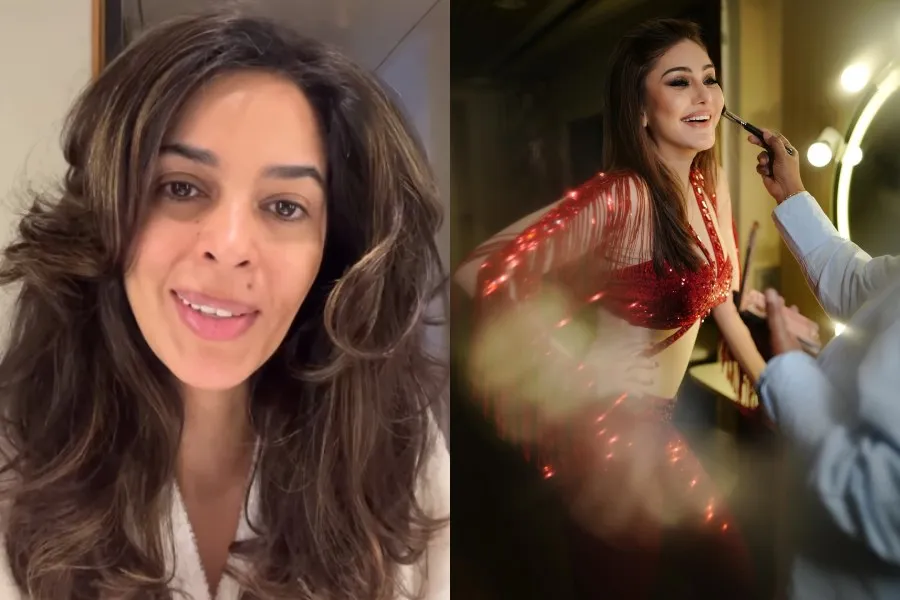
The untimely death of actress and dancer Shefali Jariwala has sent ripples through the Indian entertainment industry, casting a somber tone over Bollywood. While the cause of her passing remains under investigation, a social media post by actress Mallika Sherawat has ignited backlash for its perceived insensitivity. In a video promoting natural beauty and discouraging cosmetic enhancements, Sherawat’s timing has drawn criticism, most notably from Rakhi Sawant. Accusations suggest the message was a veiled critique directed at the late Jariwala, raising broader questions about public discourse, timing, and personal responsibility during moments of collective mourning.
A Loss That Shocked the Industry
Shefali Jariwala, known for her dance prowess and on-screen presence, passed away unexpectedly, leaving fans and colleagues grieving and searching for answers. The Mumbai Police reported that an autopsy was conducted at Cooper Hospital, although the official cause of death remains pending. In the meantime, her passing has been classified as an accidental death, with authorities awaiting detailed forensic results.
While condolences poured in from across the entertainment industry, the incident quickly took an unexpected turn on social media—shifting focus from mourning to controversy.
Mallika Sherawat’s Video and the Backlash That Followed
Just 24 hours after Jariwala’s death, actress Mallika Sherawat released a selfie video on her official Instagram handle. In it, Sherawat appeared without makeup or filters, delivering a message that advocated against the use of Botox and artificial fillers. Emphasizing clean eating, hydration, quality sleep, and regular exercise, she urged her followers to embrace a more “natural” version of beauty.
Though the message in itself was seemingly benign, its timing led many to question Sherawat’s intent. Actress Rakhi Sawant was quick to voice strong objections, interpreting the post as a thinly veiled jab at the deceased actress. According to Sawant, the message appeared to undermine those who opt for cosmetic procedures—especially concerning given reports that Shefali Jariwala had recently undergone treatments involving Vitamin C and Glutathione for skin lightening.
The Ethics of Timing and Tone in Public Commentary
The incident has sparked a larger conversation about timing, sensitivity, and responsibility in public discourse—especially on social media platforms. While Sherawat did not explicitly mention Jariwala or anyone else in her video, critics argue that the subtext and timing of her remarks lacked empathy. In emotionally charged environments, the line between personal advocacy and public insensitivity can blur quickly.
Public figures often wield significant influence, and their words—whether deliberate or not—carry weight. As such, the timing of a message can sometimes overshadow its intention, especially when it intersects with a period of collective mourning. In this case, what might have been received as a personal wellness stance in another context was perceived as a commentary on a peer’s choices in the wake of her tragic death.
Beauty, Wellness, and the Public Gaze
Sherawat’s advocacy for natural beauty and a holistic approach to wellness is not without merit. In an age where aesthetic procedures are both common and controversial, encouraging conversations around authenticity and self-acceptance can be valuable. However, critics point out that such messages require nuance—particularly when issued in proximity to events that involve deeply personal and emotional circumstances.
It’s worth noting that aesthetic treatments, including the use of Vitamin C and Glutathione, are legally permitted and widely practiced in India. These procedures are often chosen for various reasons, including confidence, career demands, or personal preference. Condemning or stigmatizing such choices, especially indirectly, risks reinforcing narrow standards of “acceptable” beauty practices.
The Unfinished Chapter: Awaiting Clarity
As the entertainment world awaits the forensic findings that may shed light on Jariwala’s sudden passing, many urge restraint and empathy. While the cause of death is yet to be confirmed, premature assumptions and public insinuations threaten to derail a moment of respectful remembrance.
What this episode underscores is the delicate balance public figures must strike between personal advocacy and collective sensitivity. In the fast-moving world of social media, where messages are amplified and interpretations multiplied, timing and context are everything.
Final Thoughts
The unfolding events serve as a cautionary tale about the power of public narratives—especially in moments of loss. As fans and the entertainment fraternity continue to grieve Shefali Jariwala’s passing, perhaps the most respectful tribute would be to wait for facts, temper judgment, and allow for reflection. In doing so, the industry may not only honor her memory but also foster a more compassionate space for dialogue.
Comments