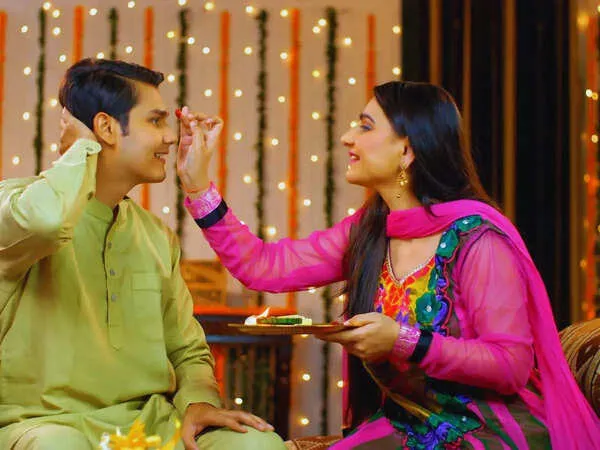
Bhai Dooj, marking the grand conclusion of the five-day Diwali festival, celebrates the sacred relationship between brothers and sisters. Rooted in love, protection, and tradition, the festival embodies the essence of familial unity and mutual respect. Observed two days after Diwali, Bhai Dooj symbolizes the enduring strength of sibling ties, as sisters pray for their brothers’ well-being and brothers pledge lifelong support. Beyond its mythological origins, the occasion carries profound cultural and emotional resonance—serving as a reminder of the unbreakable trust and affection that bind families together across generations and geographies in India’s social fabric.
Mythological and Cultural Origins
The significance of Bhai Dooj finds its roots in ancient Hindu mythology. According to one legend, the day commemorates the visit of Lord Krishna to his sister Subhadra after he vanquished the demon Narakasura. Subhadra welcomed her brother with sweets, lamps, and blessings, applying a ceremonial tilak on his forehead to mark his protection and success. Another popular belief associates the day with Yama, the god of death, and his sister Yamuna. On this day, Yamuna is said to have invited Yama to her home, offering him hospitality and affection. Deeply moved, Yama blessed her and declared that brothers who visit their sisters on this day will be blessed with prosperity and longevity.
These stories underscore the festival’s timeless message—love, respect, and the reaffirmation of familial responsibility.
Rituals and Traditional Practices
Bhai Dooj rituals differ across regions, yet the emotional foundation remains constant. Sisters prepare a ceremonial thali containing a diya, roli, rice, sweets, and coconut. They apply a tilak or kumkum mark on their brothers’ foreheads, perform an aarti, and pray for their well-being, success, and happiness. In return, brothers present gifts or monetary tokens—often in Rs.—as a gesture of gratitude and affection.
In many households, traditional sweets such as peda, barfi, and laddoo are exchanged, symbolizing the sweetness of relationships. Families gather for festive meals, reviving the sense of togetherness that defines Indian celebrations.
In modern times, when geographical distances separate siblings, digital platforms and courier services have become the new medium for celebrating Bhai Dooj, ensuring that the essence of affection transcends physical boundaries.
Regional Diversity in Celebration
The cultural expression of Bhai Dooj varies across India, reflecting the country’s vibrant diversity. In Uttar Pradesh and Bihar, it is known as Bhaiya Dooj and celebrated with enthusiastic family gatherings. In Maharashtra and Goa, it takes the form of Bhau Beej, marked by the sister’s heartfelt prayer for her brother’s long life. In West Bengal, the day is known as Bhai Phonta, where sisters observe a fast until the ceremony concludes, highlighting their devotion and love. In Nepal, a similar festival called Bhai Tika forms a crucial part of the Tihar celebrations, strengthening fraternal bonds across borders.
Despite regional nuances, the central sentiment remains identical—the celebration of sibling affection as a timeless pillar of Indian culture.
Contemporary Relevance and Social Value
In the fast-paced, technology-driven world, Bhai Dooj continues to hold profound relevance. It offers a moment of pause, reflection, and emotional connection amid modern life's chaos. Beyond religious symbolism, the festival encourages the values of empathy, responsibility, and unity—virtues increasingly essential in today’s fragmented social landscape.
Moreover, Bhai Dooj has evolved to embrace inclusivity. Many women without brothers celebrate the day with cousins, friends, or spiritual brothers, reaffirming the idea that love transcends blood relations. For businesses, especially in the gifting, jewelry, and confectionery sectors, Bhai Dooj has also become a significant economic occasion, driving consumer sentiment and festive spending across India.
Conclusion: A Celebration of Eternal Bonds
Bhai Dooj stands as a powerful emblem of unconditional love, emotional depth, and mutual respect between siblings. It transcends ritual to represent an enduring human value—the instinct to protect and care for one another. As lamps flicker and laughter fills homes across the country, Bhai Dooj reminds us that familial love remains the most enduring light in a rapidly changing world. In celebrating this festival, Indians reaffirm that relationships built on affection and trust continue to form the moral and emotional foundation of society.
Comments