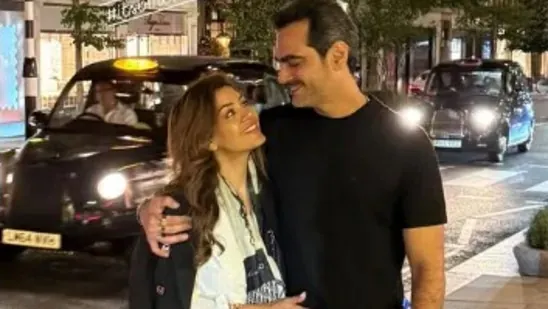
Businessman Bharat Takhtani, the former husband of actress Esha Deol, has publicly confirmed that he is in a new relationship, marking a fresh chapter in his personal life. The announcement comes months after the couple finalized their divorce, bringing an end to over a decade of marriage. Takhtani’s disclosure has sparked widespread interest, given his high-profile connection to one of Bollywood’s most prominent families. While he has maintained a relatively low profile in the past, this revelation has placed him back in the media spotlight, raising discussions about life after separation and the evolving nature of celebrity relationships in India.
A New Beginning for Bharat Takhtani
Bharat Takhtani, a successful entrepreneur with a background in the jewellery business, confirmed his new relationship through a candid statement. Without delving into specific details, he emphasized that he is entering this phase of life with clarity and optimism. His decision to go public underscores a broader cultural shift in India, where conversations around divorce, second chances, and personal freedom are slowly gaining greater acceptance in both urban and semi-urban settings.
The End of a High-Profile Marriage
Takhtani and Esha Deol, daughter of Bollywood veterans Dharmendra and Hema Malini, tied the knot in 2012. Their marriage, celebrated widely at the time, symbolized the union of two influential families. However, after more than a decade together and raising two daughters, the couple announced their separation earlier this year. The divorce was finalized amicably, with both parties prioritizing the well-being of their children. Deol, too, has shifted her focus toward professional commitments and family responsibilities, maintaining grace under public scrutiny.
Public Interest and Media Attention
As is often the case with high-profile personalities, Takhtani’s announcement has drawn significant media coverage. Celebrity relationships in India remain a subject of fascination, not just for their entertainment value but also for the way they reflect broader societal changes. While some critics question the need for such personal disclosures, others argue that public figures inevitably shape conversations around modern relationships, separation, and the pursuit of happiness beyond traditional norms.
The Larger Social Context
Takhtani’s decision to openly acknowledge his new relationship highlights a generational transformation in attitudes toward remarriage and companionship. Once considered taboo, post-divorce relationships are increasingly viewed through a more progressive lens in India’s urban centers. Analysts suggest that such public affirmations by high-profile individuals can normalize discussions about personal freedom, self-reinvention, and mental well-being, paving the way for broader acceptance.
Comments