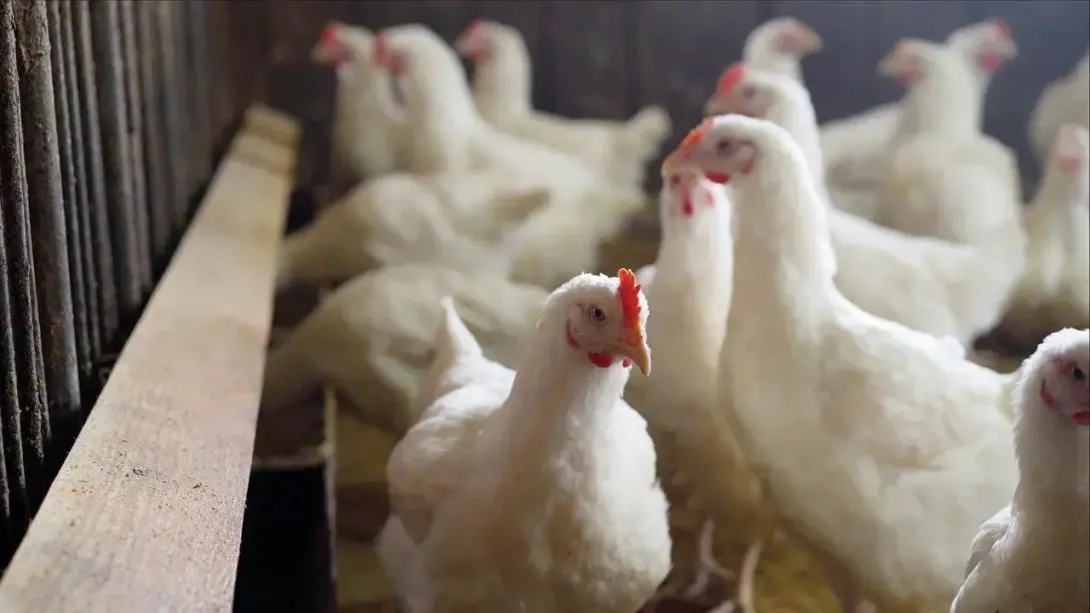
Authorities in northern Japan are responding to a fresh outbreak of avian influenza on poultry farms in Hokkaido, prompting swift containment measures and renewed scrutiny of agricultural biosecurity practices. Officials confirmed that thousands of birds have been culled to prevent the spread of the highly contagious virus. The outbreak underscores the vulnerability of the global poultry supply chain and the potential economic repercussions for farmers, exporters, and food markets. Experts warn that repeated incidents of bird flu could disrupt production, inflate food prices, and strain regional trade flows. Government agencies are intensifying surveillance efforts while urging farmers to strengthen preventive measures across the industry.
Avian Influenza Detected on Poultry Farms
Japan’s agricultural authorities have confirmed a new outbreak of avian influenza in Hokkaido, raising concerns about the resilience of the country’s poultry sector and the broader implications for regional food security.
Officials from the Ministry of Agriculture, Forestry and Fisheries reported that the virus was detected at a commercial poultry facility, triggering immediate containment procedures. Veterinary teams moved quickly to isolate the affected farm while conducting extensive testing in nearby facilities.
Avian influenza—commonly known as bird flu—is a highly contagious viral disease that spreads rapidly among poultry populations. Once detected, authorities typically implement strict quarantine measures and the culling of infected flocks to prevent further transmission.
Emergency Response and Mass Culling
Local authorities have begun large-scale containment operations aimed at halting the spread of the virus. Thousands of chickens have already been culled as part of emergency response protocols, a standard practice designed to minimize cross-farm contamination.
Transportation restrictions have also been imposed in surrounding areas to prevent potentially infected birds or agricultural products from moving across regions.
Officials emphasized that these measures are necessary to safeguard both public health and Japan’s agricultural economy. Although the risk of transmission to humans remains low, outbreaks in poultry operations can have devastating financial consequences for farmers and supply chains.
Economic Risks for Japan’s Poultry Industry
The outbreak has renewed concerns about the economic volatility associated with livestock diseases. Japan maintains a large poultry industry that plays a significant role in domestic food supply and agricultural employment.
When outbreaks occur, farmers often face severe financial losses due to mass culling, trade restrictions, and disrupted distribution networks. Compensation programs exist, but they rarely cover the full economic impact experienced by producers.
Market analysts say repeated incidents of bird flu could also influence wholesale poultry prices, potentially increasing costs for restaurants, retailers, and consumers.
In extreme cases, outbreaks may affect export flows if importing countries impose temporary bans on poultry products from affected regions.
Biosecurity Under Renewed Scrutiny
Experts say the Hokkaido outbreak highlights the importance of strict biosecurity measures across the poultry industry. Preventive protocols—such as sanitation controls, restricted farm access, and wildlife monitoring—are essential for minimizing exposure to the virus.
Wild migratory birds are widely considered one of the primary vectors for avian influenza. Hokkaido’s geographic location along major migration routes increases the region’s vulnerability to outbreaks during certain seasons.
Agricultural authorities are therefore intensifying surveillance programs to detect potential infections early and reduce the likelihood of widespread transmission.
Global Context: Bird Flu’s Recurring Challenge
The recent outbreak in Hokkaido reflects a broader global pattern. Avian influenza outbreaks have affected poultry industries across Asia, Europe, and North America in recent years, periodically disrupting food supply chains and agricultural markets.
Governments and international health organizations continue to invest in monitoring systems, vaccination strategies, and improved farm management practices.
While the situation in Hokkaido remains under close observation, authorities say early detection and decisive containment efforts are crucial to preventing a larger crisis.
For Japan’s agricultural sector, the episode serves as a reminder that safeguarding livestock health is not only a matter of public safety but also a critical component of economic stability and food security.
Comments