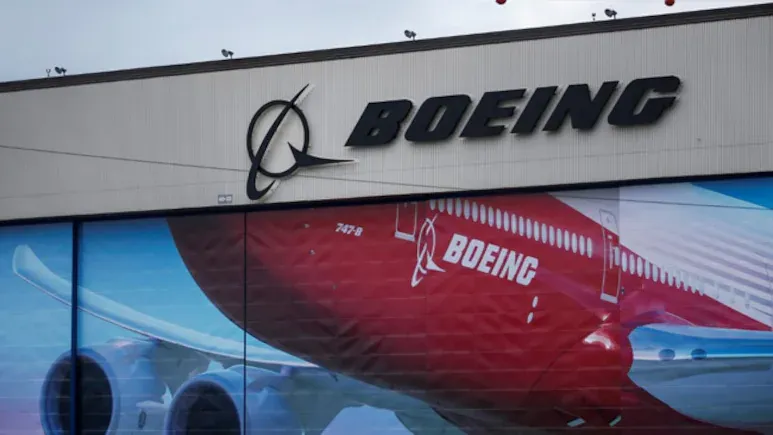
Boeing has received regulatory clearance to resume self-certification of its 737 Max aircraft, marking a pivotal moment in the company’s recovery from years of scrutiny following two fatal crashes. The Federal Aviation Administration (FAA) has granted the aerospace firm authority to approve certain safety and design aspects internally, reflecting confidence in Boeing’s enhanced compliance and safety protocols. This move is expected to accelerate production, streamline deliveries, and reduce dependency on external oversight, providing a significant boost to Boeing’s financial performance and reinforcing its position in the highly competitive commercial aviation market.
FAA Approval and Its Significance
Boeing’s regained certification authority comes after rigorous audits and enhanced safety measures implemented post-2019, when two 737 Max crashes led to worldwide groundings. The FAA confirmed that Boeing now meets the stringent requirements to self-certify aspects of design and production for new aircraft.
This decision allows Boeing to streamline its internal approval processes, potentially shortening timelines for aircraft deliveries. Analysts note that it could translate into cost savings of hundreds of millions of dollars annually and help the company address growing demand from airlines worldwide.
Impact on Production and Deliveries
Boeing has faced production bottlenecks due to regulatory oversight and global supply chain challenges. With the restored certification authority, the company can accelerate the rollout of 737 Max jets, which remain a top-selling model for major airlines.
Industry experts suggest that this development may boost Boeing’s quarterly revenues, as airlines look to expand fleets to meet recovering passenger demand post-pandemic. The move also signals Boeing’s commitment to reinforcing safety and reliability standards, crucial for restoring customer confidence.
Financial and Market Implications
Boeing’s stock responded positively to the news, reflecting investor optimism about improved operational efficiency and potential margin expansion. Analysts predict that enhanced certification authority could strengthen Boeing’s competitive position against Airbus, particularly in the single-aisle aircraft segment dominated by the 737 Max and A320 families.
Additionally, this decision underscores the broader recovery of Boeing’s reputation following intense scrutiny, demonstrating the company’s adherence to evolving safety and regulatory frameworks.
Strategic Outlook
With the ability to self-certify, Boeing can now focus on innovation and fleet expansion, including upcoming models and international deliveries. The development also highlights the ongoing importance of regulatory trust in the aerospace sector, where compliance and safety remain critical determinants of market leadership.
Boeing’s regained authority not only supports immediate production goals but also positions the company to capitalize on long-term growth opportunities, particularly as global air travel rebounds.
Conclusion:
Boeing’s restored self-certification rights for 737 Max jets mark a significant milestone, signaling operational efficiency, regulatory confidence, and market resilience. As the company ramps up production and deliveries, this development is expected to reinforce both financial performance and customer trust, reaffirming Boeing’s position as a leader in commercial aviation.
Comments