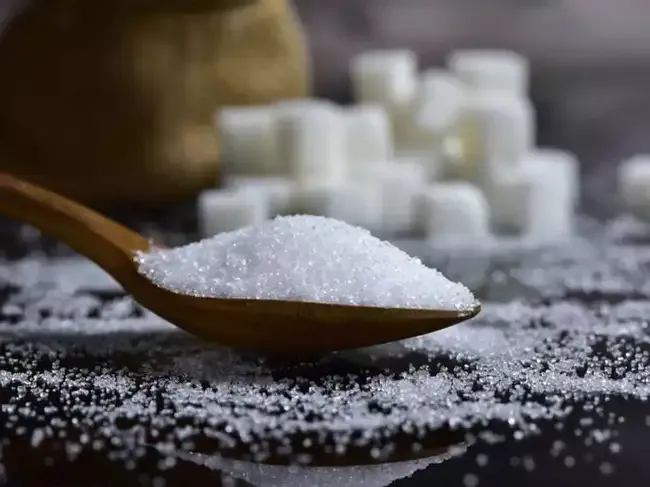
Scientists have unveiled a novel method to produce tagatose, a naturally occurring low-calorie sugar, in a more efficient and commercially viable way. Long regarded as a promising alternative to conventional sweeteners, tagatose offers a similar taste to sucrose while delivering fewer calories and a lower glycemic impact. Until now, high production costs and technical limitations restricted its widespread use. The new approach could significantly reduce manufacturing expenses, making tagatose accessible to food and beverage producers at scale. The development signals a potential shift in the global sweetener market amid rising demand for healthier sugar substitutes.
A Scientific Advance with Commercial Implications
Tagatose has attracted attention for years due to its favorable nutritional profile, including approximately one-third the calories of regular sugar and minimal impact on blood glucose levels. Despite these advantages, its adoption has remained limited, largely because traditional production processes were complex and inefficient.
The newly developed method streamlines conversion processes, improving yield while lowering energy and raw material requirements. Researchers say this could make industrial-scale production economically feasible for the first time.
Why Tagatose Matters in a Health-Conscious Market
Global food manufacturers are under growing pressure to reduce sugar content without compromising taste. Tagatose stands out because it closely mimics the flavor and functional properties of sucrose, unlike many artificial or plant-based sweeteners.
Nutrition experts also highlight its potential role in products targeted at people managing diabetes or weight-related conditions, positioning tagatose as both a health-oriented and consumer-friendly ingredient.
Industry Impact and Market Potential
The breakthrough arrives as the global low-calorie sweetener market continues to expand, driven by regulatory scrutiny on added sugars and shifting consumer preferences. Analysts believe cost-effective tagatose production could unlock new revenue streams across confectionery, dairy, beverages, and baked goods.
If commercialized successfully, the innovation may intensify competition among sweetener producers and encourage reformulation across major food brands seeking cleaner labels and improved nutritional profiles.
Challenges Ahead and Regulatory Considerations
While the production method marks az a major milestone, scaling it to meet global demand will require further validation, infrastructure investment, and regulatory approvals across jurisdictions. Food safety authorities will also assess consistency and long-term stability before widespread adoption.
Researchers remain cautiously optimistic, noting that collaboration between academia and industry will be critical to translating laboratory success into supermarket-ready products.
A Step Toward Smarter Sugar Alternatives
The development of a viable production pathway for tagatose reflects a broader trend in food science—balancing indulgence with health outcomes. As governments, consumers, and companies converge on sugar reduction goals, innovations like this could redefine how sweetness is delivered in everyday diets.
Comments