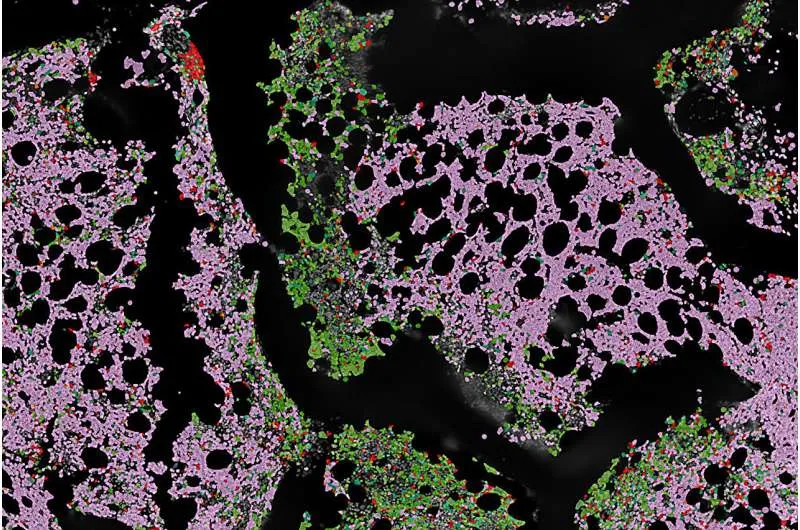
Recent research highlights pivotal advancements in understanding bone marrow dysfunction in patients with multiple myeloma, a rare but aggressive blood cancer. Studies reveal that the malignant proliferation of plasma cells disrupts normal marrow function, impairing blood cell production and weakening immune defense. Novel therapeutic approaches—including targeted immunotherapies, CAR-T cell treatments, and precision oncology strategies—are showing promising results in improving patient outcomes. Early detection and regular monitoring of marrow health are now considered critical for effective management. Experts emphasize integrating lifestyle support, clinical interventions, and cutting-edge therapies to enhance survival rates and quality of life for affected patients.
Understanding Multiple Myeloma and Bone Marrow
Multiple myeloma arises from uncontrolled growth of plasma cells within the bone marrow, interfering with the marrow’s ability to generate healthy blood cells. This results in anemia, increased infection risk, and bone fragility.
Clinicians note that early identification of marrow abnormalities is crucial to implement timely interventions, minimizing systemic complications and improving prognosis.
Risk Factors and Disease Indicators
Several factors influence the development and progression of multiple myeloma, including:
- Genetic predispositions and family history
- Environmental exposures and lifestyle factors
- Chronic immune system stimulation
- Age and gender, with higher incidence in older adults and males
Key clinical markers include abnormal protein levels in blood and urine, bone lesions, and marrow density changes observable through imaging and biopsy.
Emerging Treatment Strategies
Recent therapeutic breakthroughs focus on precision and immunological approaches:
Targeted Therapies: Drugs designed to selectively attack myeloma cells while sparing healthy marrow
Immunotherapy: CAR-T cells and monoclonal antibodies boosting the immune system to recognize and eliminate malignant plasma cells
Stem Cell Transplants: Autologous transplants restoring marrow function after high-dose chemotherapy
Supportive Care: Nutritional support, exercise, and infection prevention to maintain overall health
Integration of these strategies is demonstrating higher remission rates and improved patient quality of life.
Implications for Healthcare Providers
Medical practitioners are emphasizing comprehensive marrow assessment, regular blood work, and early intervention protocols. Multidisciplinary care involving hematologists, oncologists, and nutritionists ensures patients receive coordinated and holistic treatment.
Technological innovations in marrow imaging and biomarker analysis allow clinicians to predict disease progression and tailor treatment plans accordingly.
Public Health and Research Outlook
Multiple myeloma, though relatively rare, imposes significant clinical and economic burdens. Enhanced screening, awareness campaigns, and research funding are essential for improving outcomes and developing next-generation therapies.
Future directions include combination regimens of immunotherapy and precision medicine, aimed at long-term remission and improved survival rates, while minimizing toxicity and adverse effects.
Conclusion
Advances in understanding bone marrow pathology are reshaping multiple myeloma management, offering patients new hope through targeted, personalized therapies. Continuous research, early detection, and integrated care models are key to reducing disease burden and enhancing patient well-being globally.
Comments