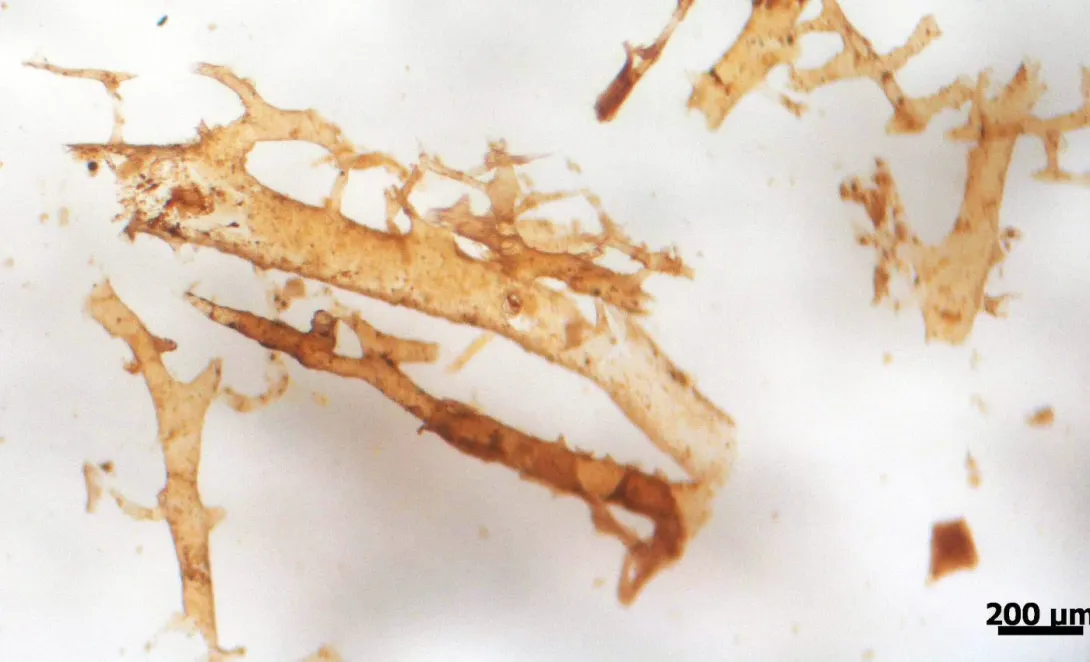
In a remarkable advancement in paleontological research, scientists have successfully identified traces of hemoglobin in dinosaur fossils, providing unprecedented insights into the biology and physiology of these prehistoric giants. This discovery sheds light on their metabolic processes, respiratory efficiency, and evolutionary links to modern birds and reptiles. By analyzing protein remnants preserved over millions of years, researchers are unraveling aspects of dinosaur blood chemistry, offering clues about their activity levels, thermoregulation, and environmental adaptations. The finding represents a major leap in understanding extinct species at a molecular level, bridging paleontology with molecular biology.
The Discovery
Researchers examining exceptionally well-preserved dinosaur fossils detected molecular signatures indicative of hemoglobin, the oxygen-carrying protein critical to all vertebrates. These findings suggest that under certain fossilization conditions, complex proteins can survive for tens of millions of years, opening a new window into studying the physiology of extinct creatures.
Implications for Dinosaur Physiology
Hemoglobin analysis provides valuable information about dinosaurs’ respiratory systems, oxygen transport mechanisms, and metabolic rates. This breakthrough could help scientists infer whether certain species were endothermic (warm-blooded) or ectothermic (cold-blooded), a long-debated question in evolutionary biology. Such insights also enhance understanding of dinosaur behavior, activity patterns, and ecological niches.
Evolutionary Significance
The discovery strengthens the evolutionary link between dinosaurs and modern birds, supporting hypotheses about the continuity of blood chemistry across millions of years. Comparative studies with reptiles and birds could illuminate how metabolic and physiological traits evolved, contributing to a more comprehensive picture of vertebrate evolution.
Future Prospects
This landmark finding encourages the integration of molecular techniques in paleontology, including proteomics and isotopic analyses, to extract physiological and biochemical data from ancient fossils. It promises to revolutionize our understanding of prehistoric life, moving beyond skeletal reconstruction to explore molecular and cellular characteristics.
Conclusion:
The detection of dinosaur hemoglobin marks a transformative moment in paleontological research, bridging deep time with modern molecular biology. By revealing physiological traits once thought lost to history, this discovery deepens scientific understanding of dinosaur biology, evolution, and their remarkable adaptations to prehistoric environments.
Comments