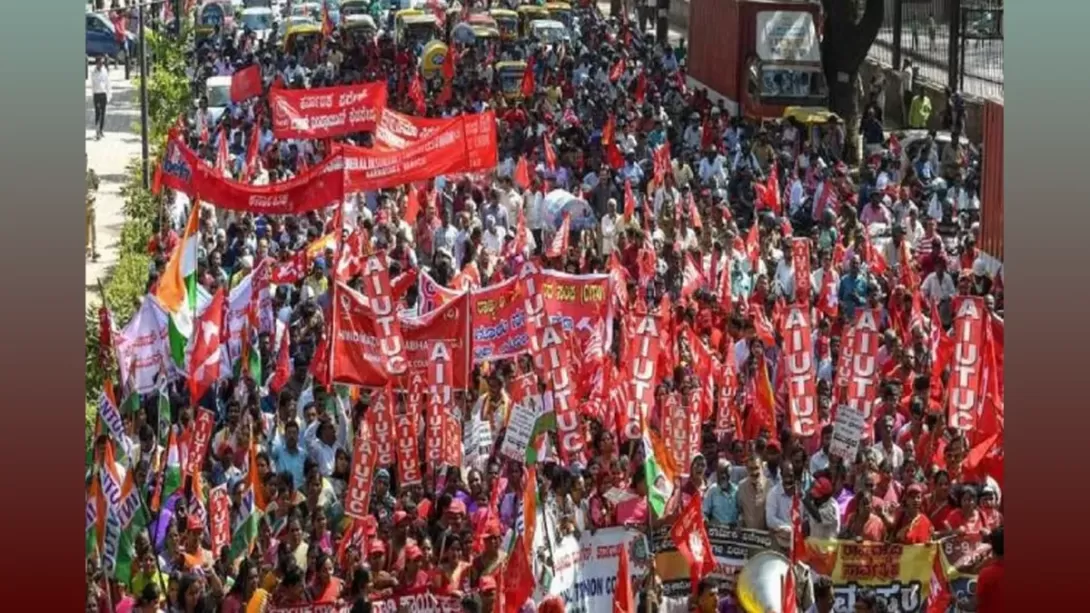
In a decisive move reflecting national solidarity, India’s central trade unions have postponed their planned nationwide general strike from May 20 to July 9, 2025. The deferment follows escalating tensions after the recent terrorist attack in Pahalgam and subsequent military responses, which have reshaped the country’s socio-political landscape. Despite the postponement, unions remain vigilant, citing ongoing labor grievances including unilateral increases in working hours, violations of minimum wage laws, and mass retrenchments, particularly impacting contract workers. The unions vow to resume collective action with renewed vigor to challenge the implementation of controversial labor codes and defend workers’ rights.
Contextualizing the Postponement
The Joint Platform of Central Trade Unions and Independent Sectoral Federations convened on Thursday to reassess their strategy amid the tense atmosphere following a deadly terrorist assault in Pahalgam that claimed 26 lives. The gravity of this security crisis and the Indian Armed Forces’ retaliatory operations prompted the unions to act responsibly by deferring the nationwide strike initially scheduled for May 20.
This decision signals the unions’ commitment to patriotic responsibility while balancing their imperative to mobilize for workers' rights. It underscores the recognition that political and national security developments necessitate a pause in large-scale industrial agitation.
Underlying Labor Discontent Persists
While the strike has been deferred, the unions remain deeply concerned about the deteriorating conditions faced by workers nationwide. They allege that employers, with tacit government backing at both central and state levels, continue to intensify pressures on employees. Notably, unilateral extensions of working hours, systematic disregard for statutory minimum wages, and erosion of social security protections have become increasingly rampant.
Contract workers, often the most vulnerable, face disproportionate retrenchment rates, fueling unrest and deepening mistrust between labor and management. These developments, the unions argue, amount to a covert imposition of controversial labor codes that undermine workers’ fundamental rights under the guise of reform.
Implications for Labor Relations and National Policy
The postponement of the strike does not diminish the urgency of the workers’ demands but rather reflects a strategic recalibration in response to external circumstances. The unions’ resolve to resume collective action on July 9 highlights a firm stance against labor policies perceived as detrimental to the workforce.
This episode exemplifies the complex interplay between national security imperatives and socio-economic challenges, emphasizing the need for dialogue and equitable policy frameworks that address both security concerns and workers’ welfare.
Looking Ahead
As the country navigates a fraught geopolitical environment, the balance between safeguarding national interests and upholding labor rights will be critical. The upcoming July strike is poised to be a significant barometer of labor-government relations, with potential implications for industrial peace and economic stability.
Trade unions will likely leverage this interval to consolidate their position, engage stakeholders, and amplify worker-centric narratives to shape policy discourse in the months ahead.
Comments