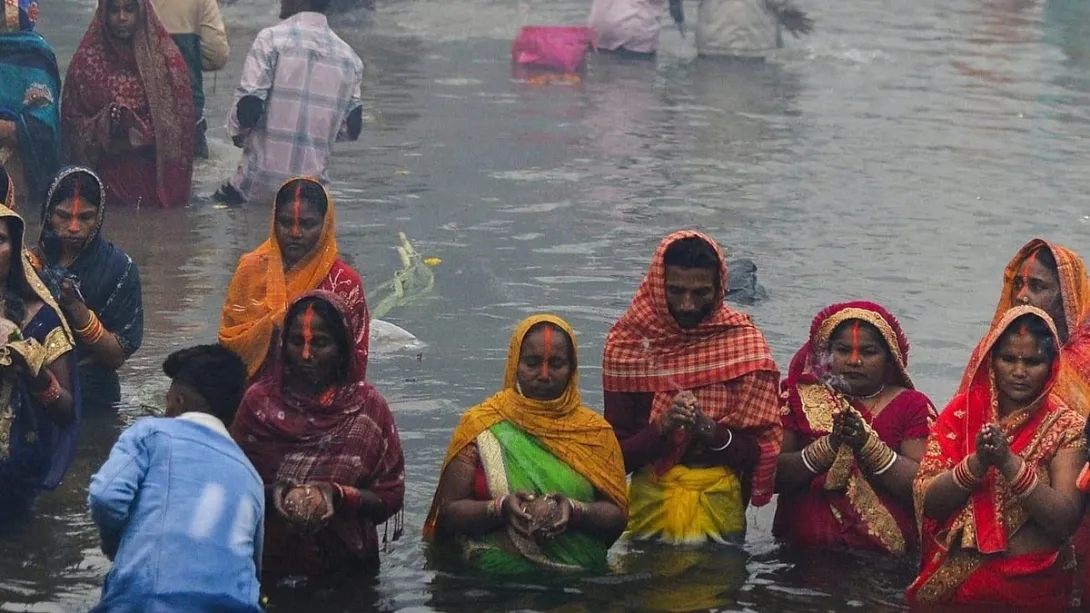
Chhath Puja 2025, one of India’s most sacred and eco-spiritual festivals, will be observed with deep devotion and traditional fervor across several states, particularly Bihar, Jharkhand, Uttar Pradesh, and parts of Nepal. Dedicated to the worship of the Sun God (Surya Dev) and Chhathi Maiya, the festival celebrates gratitude, purity, and discipline through a series of rituals performed over four days. The Kharna ceremony, which marks the second day, holds immense importance as devotees observe fasting and prepare offerings symbolizing purity and thanksgiving. This article explores the detailed Kharna samagri list, significant rituals, dates, and the spiritual essence that defines Chhath Puja 2025.
The Sacred Essence of Chhath Puja
Chhath Puja stands as one of the oldest known Hindu festivals, symbolizing humanity’s eternal bond with nature and the cosmic elements. Rooted in the worship of Surya Dev, the life-sustaining energy source, the festival is a celebration of faith, gratitude, and discipline. Observed mainly by women, it involves rigorous fasting, abstinence, and spiritual reflection, yet men also actively participate, symbolizing collective devotion and community harmony.
Each day of Chhath Puja carries distinct religious and environmental significance. The rituals, performed near natural water bodies, emphasize purity and ecological respect, reinforcing the interdependence of life and nature.
Chhath Puja 2025 Dates and Schedule
The four-day festival of Chhath Puja 2025 will likely be observed from October 27 to October 30, following the traditional Hindu lunar calendar. The main events are divided into:
- Nahay Khay (Day 1) – The devotees begin with a holy bath in a river or pond, cleansing body and soul. They prepare a simple vegetarian meal, typically rice, pumpkin, and gram dal, cooked without onion or garlic.
- Kharna (Day 2) – Observed with strict fasting throughout the day, devotees break their fast after sunset by preparing offerings of kheer, roti, and gur. This ritual embodies discipline, devotion, and purity.
- Sandhya Arghya (Day 3) – Devotees gather at water bodies to offer prayers to the setting sun, symbolizing gratitude for life’s blessings.
- Usha Arghya (Day 4) – The final day witnesses offerings to the rising sun, followed by breaking the 36-hour fast, marking the culmination of faith and endurance.
Kharna: The Spiritual Core of Devotion
The second day, Kharna, represents a sacred balance between physical endurance and spiritual enlightenment. Devotees abstain from food and water throughout the day, maintaining silence and meditation. As the sun sets, they prepare kheer made from rice, jaggery, and milk, along with roti and fruits as offerings to Chhathi Maiya.
After performing rituals and prayers, the prasad is distributed among family and neighbors, symbolizing unity, humility, and equality. Kharna’s essence lies in self-purification—both internal and external—before entering deeper phases of worship.
Complete Kharna Samagri List for 2025
To perform the Kharna Puja rituals correctly, devotees prepare specific items, each carrying symbolic value. Below is the comprehensive samagri list for 2025:
- Rice (Chawal): Represents purity and nourishment.
- Jaggery (Gur): Symbolizes sweetness and prosperity.
- Milk (Doodh): Used to prepare kheer for the offering.
- Sugarcane (Ganna): Sign of fertility and abundance.
- Bananas and Seasonal Fruits: Offerings that denote gratitude for nature’s bounty.
- Coconut (Nariyal): Associated with purity and devotion.
- Thekua: Traditional sweet snack made from wheat flour and jaggery, essential for the Sandhya Arghya and Usha Arghya.
- Diya (Earthen Lamp): Symbolizes divine light and faith.
- Tulsi Leaves and Flowers: Used for decoration and offering.
- New Clay Pots (Matka): For carrying Arghya water and performing rituals.
Each item holds a symbolic role in invoking blessings for health, prosperity, and harmony within the family.
The Cultural and Environmental Relevance of Chhath
Beyond its religious significance, Chhath Puja embodies India’s ecological consciousness. The rituals are performed near rivers and ponds, reinforcing the importance of preserving water sources. Devotees clean the surroundings, ensuring that the environment remains unpolluted—a reflection of ancient India’s sustainable living philosophy.
Culturally, the festival represents equality and inclusivity. People from all backgrounds, castes, and economic classes participate together, erasing social hierarchies through shared devotion. The songs, rituals, and communal prayers reflect a timeless bond of humanity rooted in gratitude toward the natural world.
Significance of Worshipping the Sun and Chhathi Maiya
In Hindu mythology, Surya Dev is revered as the ultimate source of energy, health, and prosperity. Worshipping him during Chhath Puja is believed to cleanse negative energies, improve vitality, and ensure long-lasting happiness. Chhathi Maiya, regarded as the protector of children and families, is venerated for granting blessings of fertility, strength, and wellbeing.
The dual worship reflects a profound spiritual understanding—acknowledging the balance between masculine and feminine divine energies, which together sustain life on Earth.
Conclusion
Chhath Puja 2025 is not just a religious festival—it is a profound expression of gratitude toward nature, faith, and the human spirit. The four days of rituals and fasting symbolize endurance, purity, and devotion, while the celebration of Kharna encapsulates the discipline and grace of spiritual living.
As millions of devotees gather by the riversides this October, the festival will once again illuminate the timeless Indian belief that divinity resides in simplicity, faith, and the eternal rhythm of nature. Through every offering and every sunrise, Chhath Puja continues to unite hearts, cleanse minds, and celebrate the luminous power of the Sun.
Comments