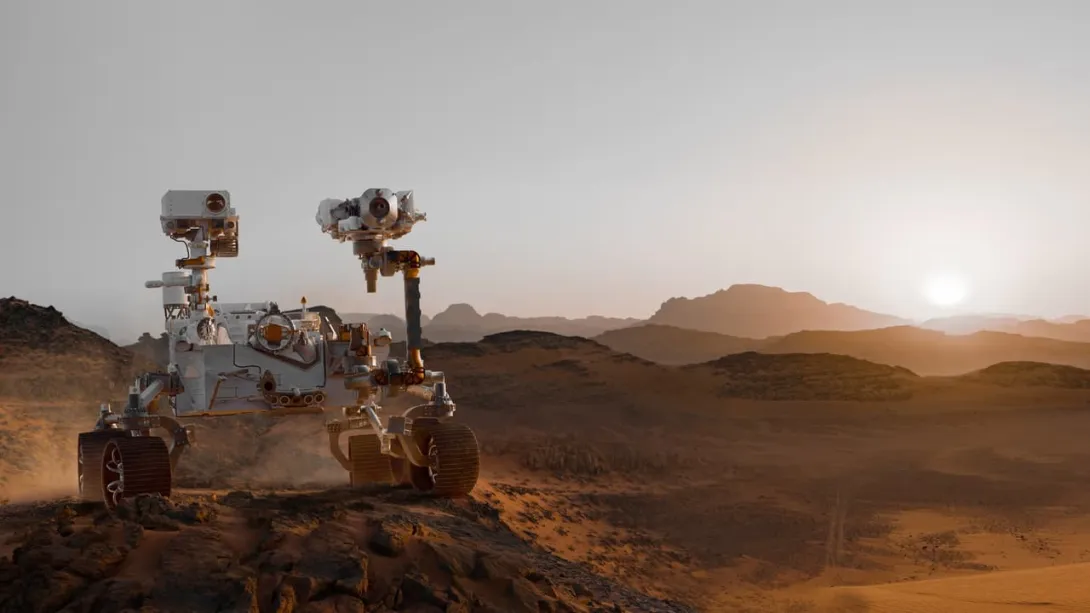
Global space agencies and research institutions are converging on one of the most consequential decisions in planetary exploration: selecting a viable landing site for the first human mission to Mars. The choice carries profound scientific, technical and financial implications, shaping mission safety, cost structures and long-term exploration goals. Researchers are balancing factors such as terrain stability, radiation exposure, access to water ice and scientific value. As preparations accelerate, the debate over where humans will first set foot on Mars underscores the complexity of translating decades of robotic exploration into a sustainable human presence on another planet.
Why the Landing Site Matters
The selection of a human landing site on Mars is far more than a geographical preference. It directly affects spacecraft design, fuel requirements and crew safety. Flat terrain reduces landing risks, while proximity to resources such as subsurface ice can significantly lower mission costs, potentially saving several thousand crore rupees over the life of a program.
Scientific Value Versus Operational Safety
Scientists are advocating for sites that offer rich geological history, including ancient river deltas and sedimentary formations that could preserve signs of past life. Engineers, however, prioritize locations with predictable weather and minimal surface hazards. Reconciling these priorities remains a central challenge in mission planning.
The Role of Water and In-Situ Resources
Water is emerging as a decisive factor. Beyond supporting human life, ice deposits can be converted into oxygen and rocket fuel, reducing reliance on Earth-based supply chains. Analysts note that effective in-situ resource utilization could dramatically alter the economics of Mars exploration.
Technology, Cost and Risk Management
Advances in landing systems, habitat design and radiation shielding are expanding the range of viable sites. Still, the financial stakes are immense. A single human Mars mission is expected to require sustained investment running into several lakh crore rupees, making risk mitigation a top priority for policymakers.
A Step Toward Permanent Presence
The eventual choice of a landing site will shape humanity’s relationship with Mars for decades. More than a symbolic milestone, it represents a strategic decision that could determine whether Mars remains a destination for brief visits or becomes the foundation for long-term human exploration beyond Earth.
Comments