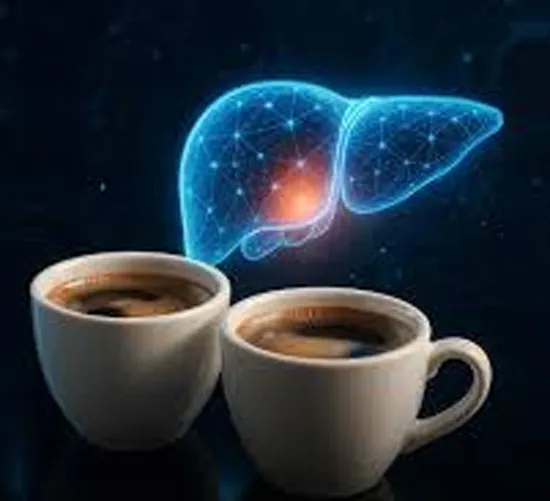
Emerging research highlights a positive correlation between regular coffee consumption and liver health, indicating potential protective effects against liver diseases including fibrosis, fatty liver, and cirrhosis. Multiple studies suggest that bioactive compounds in coffee, such as antioxidants and polyphenols, may reduce inflammation, improve liver enzyme profiles, and lower the risk of liver-related mortality. Health experts emphasize moderation, recommending up to three to four cups per day as part of a balanced lifestyle. While coffee is not a cure, growing evidence underscores its role as a supportive dietary factor in maintaining liver function and overall metabolic health.
Coffee and Liver Function
Scientific studies demonstrate that coffee may enhance liver function by influencing key biomarkers such as alanine aminotransferase (ALT) and aspartate aminotransferase (AST). These enzymes indicate liver stress or damage, and regular coffee intake has been associated with lower enzyme levels, suggesting reduced liver strain.
Mechanisms include antioxidant activity, modulation of inflammatory pathways, and potential antifibrotic effects, which collectively contribute to improved liver resilience.
Protective Effects Against Liver Diseases
Research has shown that habitual coffee consumption can lower the risk of several liver conditions:
- Non-alcoholic fatty liver disease (NAFLD): Coffee may reduce fat accumulation in liver cells and improve metabolic parameters.
- Liver fibrosis and cirrhosis: Compounds in coffee may inhibit fibrotic progression and protect liver tissue.
- Hepatocellular carcinoma: Epidemiological studies suggest coffee drinkers have a lower incidence of liver cancer compared to non-drinkers.
These benefits are observed in both caffeinated and decaffeinated coffee, indicating that multiple bioactive constituents contribute to liver protection.
Recommended Consumption and Safety
Medical experts recommend moderate coffee intake—typically three to four cups daily—for potential liver benefits. Excessive consumption can lead to side effects including sleep disturbances, increased heart rate, or gastrointestinal discomfort.
Individuals with specific health conditions, such as uncontrolled hypertension or acid reflux, should consult healthcare professionals before increasing coffee intake.
Broader Implications for Public Health
Promoting coffee as part of a liver-friendly lifestyle may complement broader health strategies aimed at reducing the prevalence of metabolic and hepatic diseases. Combined with balanced nutrition, regular physical activity, and abstinence from excessive alcohol consumption, coffee can serve as a simple, accessible tool to support liver health.
Public awareness campaigns emphasizing the role of diet in liver function may enhance preventive health measures, particularly in populations at risk of liver disease.
Conclusion
While not a substitute for medical treatment, coffee consumption demonstrates promising benefits for liver health. Evidence supports its role in lowering liver enzyme levels, reducing fibrosis risk, and potentially preventing severe liver conditions. Incorporating moderate coffee intake into a healthy lifestyle, alongside proper medical care and nutrition, can enhance liver resilience and overall metabolic well-being. Ongoing research continues to explore the precise mechanisms and optimal consumption patterns for maximizing these protective effects.
Comments