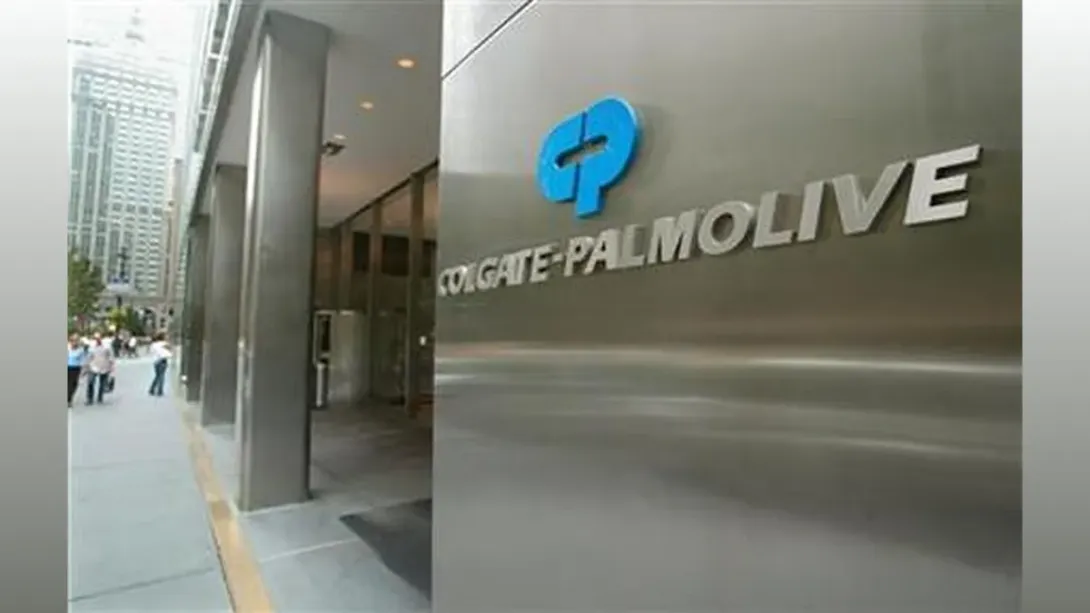
Colgate-Palmolive India, a leading player in the oral care and personal hygiene sector, reported a 17% year-on-year decline in net profit for Q2 FY26, reflecting a challenging business environment. The drop in profitability is attributed to moderated volume growth, rising input costs, and competitive pricing pressures across key product categories. Despite strong brand equity and sustained demand in toothpaste and oral care segments, the company faced margin compression due to cost inflation and promotional spend, signaling the need for strategic cost management and innovation to sustain growth in India’s competitive FMCG landscape.
Financial Highlights of Q2 FY26
- Net Profit: Declined 17% year-on-year, impacted by raw material cost inflation and operational expenses.
- Revenue Performance: Moderate top-line growth, driven by steady volume in oral care and personal hygiene products, offset partially by competitive pricing.
- Margins: Gross and operating margins contracted due to higher input costs and marketing investments.
The company emphasized that while the market remains highly competitive, strategic initiatives in premiumization and product innovation aim to bolster revenue in subsequent quarters.
Drivers of Profit Decline
Several factors contributed to Colgate-Palmolive India’s lower Q2 profitability:
Input Cost Inflation: Rising costs of chemicals, packaging, and logistics impacted gross margins.
Competitive Pricing Environment: Intense competition in oral care products required promotional discounts and trade schemes, limiting price-led revenue growth.
Moderated Volume Growth: While core toothpaste and toothbrush categories maintained demand, growth in rural and semi-urban markets was slightly muted.
Marketing Investments: Increased expenditure to maintain brand visibility and consumer engagement contributed to higher operating costs.
Analysts note that such pressures are common in the FMCG sector, especially in categories with high penetration and low price elasticity.
Strategic Outlook and Measures
Colgate-Palmolive India plans to navigate cost pressures and stimulate growth through several strategic initiatives:
- Product Innovation: Launching new variants and premium offerings to enhance consumer preference and profitability.
- Digital and Retail Expansion: Strengthening e-commerce channels and urban-rural distribution networks to reach more consumers efficiently.
- Operational Efficiency: Optimizing supply chain processes and sourcing strategies to mitigate cost inflation.
- Brand Premiumization: Encouraging consumers to adopt higher-margin products in oral care and personal hygiene categories.
These initiatives aim to balance volume growth with profitability, ensuring sustainable performance in a competitive landscape.
Industry Implications
The performance of Colgate-Palmolive India reflects broader trends in the Indian FMCG sector:
- Persistent raw material price pressures impacting margins across consumer goods companies.
- Increasing consumer sensitivity to price in essential categories, limiting pass-through of cost inflation.
- Growing importance of innovation and premiumization to sustain brand relevance and profitability.
FMCG firms are therefore required to adopt strategic cost management and consumer-centric approaches to maintain growth and market share.
Conclusion: Navigating Challenges Amid Cost Pressures
Colgate-Palmolive India’s 17% profit decline in Q2 FY26 underscores the impact of input cost inflation and competitive pressures on even well-established brands. While volume demand remains stable, sustaining profitability will depend on innovation, strategic pricing, and operational efficiency. By focusing on premiumization, digital growth, and supply chain optimization, Colgate-Palmolive India aims to reinvigorate growth and maintain its leadership in the country’s highly competitive oral care and personal hygiene market.
Comments