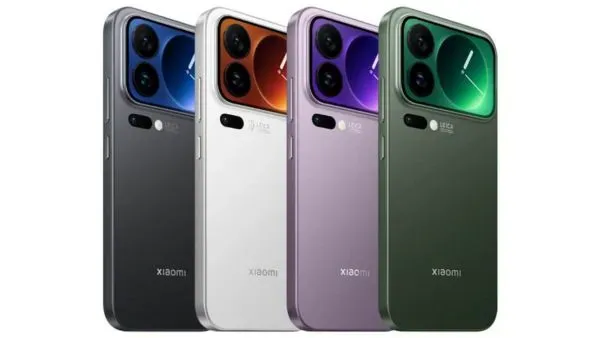
The next wave of compact flagship smartphones is poised to challenge long-held assumptions about size and capability, with manufacturers exploring dual 200-megapixel camera systems in smaller form factors. Once reserved for bulky, ultra-premium devices, ultra-high-resolution sensors are now being engineered to fit slimmer designs without compromising performance. This shift reflects rapid advances in sensor technology, image processing, and thermal management. Industry watchers believe the move could recalibrate competition in the premium smartphone segment, as brands race to deliver professional-grade photography in devices that balance power, portability, and everyday usability.
A New Direction for Compact Flagships
Smartphone makers are increasingly rethinking the compact flagship category, traditionally defined by trade-offs between size and features. The reported move toward dual 200MP camera setups signals a clear departure from that compromise-driven approach.
By integrating two ultra-high-resolution sensors—likely serving distinct roles such as wide-angle and telephoto—manufacturers aim to offer photography capabilities comparable to larger flagship models, while retaining a more manageable footprint.
Technology Making It Possible
Advances in sensor miniaturization, pixel-binning techniques, and AI-driven image processing have made such ambitious camera configurations feasible. Modern 200MP sensors can combine multiple pixels into larger effective units, improving low-light performance and dynamic range.
Equally important are improvements in chipset efficiency and thermal design, allowing compact devices to handle the processing demands of ultra-high-resolution photography without excessive heat or battery drain.
Competitive Pressure in the Premium Segment
The premium smartphone market has become intensely competitive, with differentiation increasingly driven by camera performance. Introducing dual 200MP systems in compact flagships could allow brands to stand out, particularly among photography enthusiasts who prefer smaller devices.
Analysts note that this strategy may also blur the distinction between “compact” and “ultra” flagships, forcing rivals to rethink product segmentation and pricing strategies.
Consumer Impact and Market Outlook
For consumers, the shift promises greater choice: powerful imaging tools in phones that are easier to handle and carry. However, success will depend on execution, including lens quality, software optimization, and real-world performance rather than headline specifications alone.
If implemented effectively, dual 200MP cameras could mark a turning point for compact flagships, redefining expectations and setting a new benchmark for premium smartphones in the coming product cycles.
Comments