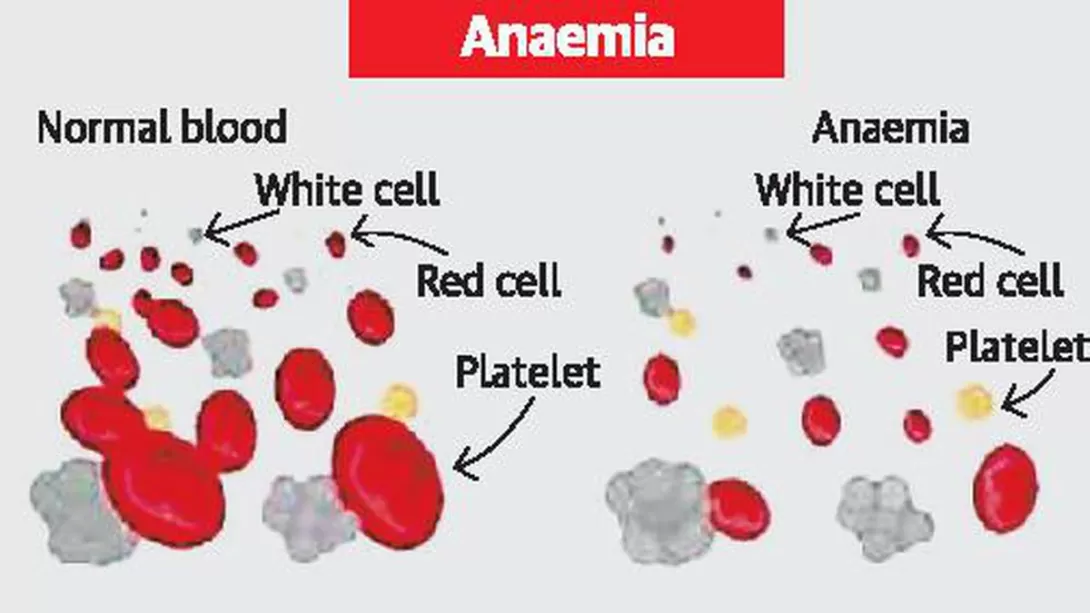
India has made remarkable strides in reducing maternal mortality, with the maternal mortality ratio declining from 384 to 103 deaths per 100,000 live births between 2000 and 2020. Yet, a pervasive and often overlooked challenge threatens to stall this progress: maternal anaemia. Affecting over half of pregnant women nationwide, anaemia significantly increases risks to both mother and child. Addressing this silent epidemic demands a multi-dimensional approach encompassing early detection, oral and intravenous iron supplementation, and widespread nutritional education. Only through such comprehensive intervention can India sustain its maternal health achievements and ensure a healthier future for generations to come.
India’s Maternal Health Milestone: Progress and Persisting Challenges
In her recent address to the Lok Sabha, Union Minister of State for Health, Anupriya Patel, underscored India’s significant reduction in maternal mortality—a public health achievement deserving recognition. The maternal mortality ratio (MMR) has plummeted from 384 deaths per 100,000 live births in 2000 to 103 in 2020, reflecting enhanced antenatal care access and a surge in institutional deliveries. Despite this advancement, complex challenges remain, chief among them the pervasive condition of maternal anaemia, which afflicts more than 57% of women aged 15 to 49, threatening to undermine decades of progress.
The Underestimated Threat of Maternal Anaemia
Anaemia during pregnancy is more than a mere nutritional deficit; it is a potent risk factor for postpartum hemorrhage, a leading cause of maternal mortality. Low haemoglobin levels contribute to severe fatigue, breathlessness, and other complications that jeopardize maternal and fetal well-being. The physiological demands of pregnancy—marked by a near 50% increase in blood volume—exacerbate iron depletion, turning maternal iron stores into a critical resource. The National Family Health Survey-5 (NFHS-5) reveals the gravity of the situation, with over half of pregnant women suffering from this condition, calling for urgent, targeted intervention.
Iron Deficiency: The Primary Culprit
Recent clinical evidence highlights iron deficiency as the dominant cause of maternal anaemia. Research published in the Journal of Family Medicine and Primary Care estimates that iron deficiency accounts for approximately 80% of moderate and 90% of severe anaemia cases during pregnancy. This finding underscores the necessity for focused iron supplementation strategies. Both oral iron and intravenous formulations, such as Ferric Carboxymaltose (FCM), have emerged as critical tools in reversing anaemia where conventional supplementation falls short.
Ripple Effects on Child Health and Development
The implications of maternal anaemia extend well beyond the mother’s health. Infants born to anaemic mothers face a significantly heightened risk of iron deficiency, impairing cognitive development and limiting lifelong potential. NFHS-5 data indicate that severe anaemia in children born to anaemic mothers is nearly fourfold higher (5.9%) compared to those born to non-anaemic mothers (1.5%). Breaking this intergenerational cycle mandates proactive measures ensuring women enter pregnancy with adequate iron reserves and receive prompt treatment during gestation.
A Holistic, Multi-Pronged Strategy
Confronting maternal anaemia requires a comprehensive framework. The government’s guidance endorses intravenous iron, particularly FCM, as a potent, single-dose remedy for pregnant women unresponsive to oral iron. Alongside pharmacological interventions, routine screening using digital haemoglobinometers facilitates rapid diagnosis and timely treatment initiation, essential for mitigating anaemia’s impact.
Equally important is the deployment of robust Information, Education, and Communication (IEC) campaigns that empower women and their families with knowledge. Emphasizing nutritional education—promoting the intake of iron-rich foods such as leafy greens, legumes, fortified cereals, and vitamin C-rich items to enhance absorption—can transform health-seeking behaviors. Embedding nutritional counseling into antenatal care ensures women receive both supplements and dietary guidance, fostering sustainable maternal and neonatal health outcomes.
Ensuring Reach and Adherence: The Last Mile Challenge
For maximum efficacy, iron supplementation programs and screening tools must permeate rural and underserved regions. Training frontline health workers to administer supplements and conduct screenings, coupled with community-based outreach programs, is paramount. Educating families about the severity of anaemia and available health services strengthens adherence and uptake, translating policy into palpable health improvements.
Conclusion: Towards an Anaemia-Free India
India’s strides in reducing maternal mortality exemplify what focused health policy and implementation can achieve. However, maternal anaemia remains a formidable obstacle demanding equal attention. By integrating oral and intravenous iron therapies with cutting-edge diagnostics and comprehensive nutritional education, the nation can safeguard and accelerate its maternal health gains. This integrated approach promises healthier mothers, enhanced child development, and stronger communities—realizing the vision of an anaemia-free India, where maternal health challenges no longer hinder socioeconomic progress.
Comments