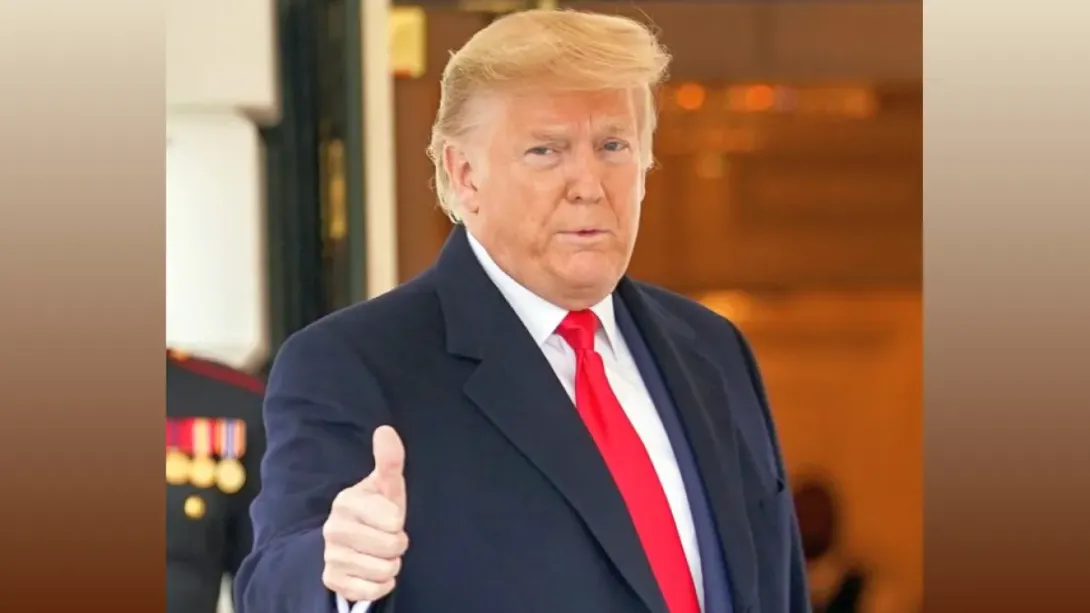
The Indian National Congress has sharply criticized Prime Minister Narendra Modi following reports that former U.S. President Donald Trump may reimpose a 25% tariff on Indian imports if he returns to power. The opposition party accused Modi of compromising India’s trade interests and global stature by aligning too closely with Trump in the past. As trade tensions re-emerge on the geopolitical horizon, the development has reignited debates around India’s foreign policy strategy, economic vulnerability, and the long-term consequences of personalized diplomacy.
Congress Takes Aim at Modi’s Foreign Policy Strategy
The Congress party has voiced strong opposition to what it calls a “failure in diplomatic foresight” by the Modi government, as concerns mount over Donald Trump’s potential return to the White House. If re-elected, Trump is reportedly considering a 25% tariff on Indian goods—a move that would disrupt bilateral trade and negatively impact several export-dependent sectors.
Senior Congress leaders argue that Modi’s previous engagement with Trump, which included headline-grabbing events such as “Howdy Modi” and “Namaste Trump,” may have been more style than substance. According to the opposition, the government failed to secure lasting protections for India’s trade interests during the Trump administration and left the country vulnerable to future economic shocks.
Economic Stakes: What a 25% Tariff Could Mean for India
If implemented, the 25% tariff could have significant ramifications for India’s export economy. Sectors such as pharmaceuticals, textiles, auto parts, and information technology services—major contributors to India’s trade with the U.S.—may face added pressure in an already uncertain global environment.
Experts note that India’s trade surplus with the United States has long been a source of tension, and that Trump has previously taken a hardline stance on trade imbalances. A return to protectionist policies could lead to a recalibration of India-U.S. commercial ties and undermine years of progress in bilateral cooperation.
Political Fallout and National Image
Congress has used this potential tariff threat to underscore what it claims is a deterioration of India’s global image under the current leadership. The opposition party contends that India has become increasingly reactive rather than proactive in foreign affairs, relying too heavily on personal relationships with global leaders rather than institutional diplomacy.
They argue that such a personalized approach may yield short-term political optics but lacks the resilience to withstand changes in global power dynamics.
Strategic Imperatives Going Forward
With the U.S. election looming and global trade rules in flux, India may need to recalibrate its international trade policy. Analysts suggest the government should diversify export destinations, strengthen ties with multilateral institutions, and increase domestic competitiveness to insulate the economy from external policy swings.
The current scenario also calls for a more bipartisan, transparent approach to foreign policy that goes beyond spectacle and prioritizes economic security.
Conclusion
The prospect of a 25% tariff under a future Trump presidency has reignited criticism of Modi’s foreign policy decisions, particularly from the Congress party. While the actual implementation of such tariffs remains uncertain, the episode highlights the risks of overreliance on personality-driven diplomacy in an unpredictable global order. India’s leadership now faces the challenge of ensuring that its global alliances are rooted not just in pageantry but in durable, long-term strategy.
Comments