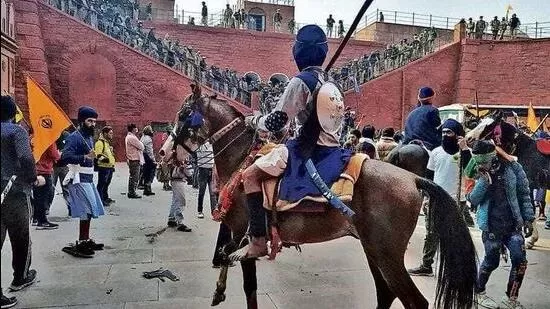
Gippy Grewal’s new period drama Akaal: The Unconquered, initially lauded for its cinematic quality and compelling narrative, has become a lightning rod for controversy. Accusations of misrepresenting Sikh traditions and history have sparked outrage among sections of the Sikh community, with prominent voices like Baba Bakshish Singh condemning the film for allegedly distorting religious symbols and legacy figures. The backlash has reignited a broader debate around the responsibility of filmmakers in portraying historical and religious subjects. While the film captures a dramatic moment in post-Maharaja Ranjit Singh Punjab, its portrayal of Sikh characters has ignited calls for accountability and cultural sensitivity.
A Promising Start Meets Immediate Scrutiny
Upon its release on April 10, Akaal: The Unconquered received praise from critics and early viewers for its strong performances, high production value, and gripping narrative. Directed by and starring Gippy Grewal, and backed by Bollywood heavyweight Karan Johar, the film was poised to be a landmark entry in Punjabi cinema. Set in the 1840s, it traces the struggles of Sardar Akaal Singh as he defends his village against the forces of Jangi Jahan, following the death of Maharaja Ranjit Singh. However, the initial acclaim quickly gave way to dissent, particularly from religious quarters that accused the film of crossing cultural and spiritual boundaries.
Religious Sentiments Spark Outrage
The most vocal criticism came from Baba Bakshish Singh, a senior Sikh leader, who has taken strong exception to the film’s representation of Sikh characters. Singh cited scenes involving the consumption of alcohol and tobacco—acts explicitly prohibited within Sikh tenets—and the depiction of Sikh men without unshorn hair (appearing as mundits), which he argues undermines the sanctity of the Sikh identity.
“If this film seeks to honour the memory of heroes like Hari Singh Nalwa or Jassa Singh Ahluwalia, it must do so with reverence and accuracy,” Singh asserted in a statement.
He further alleged that such depictions erode public understanding of Sikh values and misrepresent their deep historical and religious legacy.
Claims of Political Backing and Suppression
Adding to the controversy, Singh accused the state apparatus of covertly supporting the filmmakers, suggesting that the portrayal was not only disrespectful but part of a deliberate attempt to dilute Sikh history. Following his remarks, reports surfaced that he was detained by the Punjab Police, further fuelling the controversy and raising concerns about freedom of expression and dissent. His detention has since become a flashpoint, with critics arguing that it reflects an alarming intersection of art, politics, and religious freedom.
Responsibility in Historical Storytelling
The heart of the debate lies in the question: How far can artistic license go when dealing with sacred history? Historical dramas are often celebrated for bringing heritage to the mainstream, but they also carry a heavy burden—to honor accuracy and cultural integrity. In this case, Akaal: The Unconquered walks a fine line. While it aims to dramatize a turbulent period of Punjab's past, critics argue that the line between creative interpretation and historical distortion has been crossed.
“Cinema holds immense power in shaping public consciousness,” noted a cultural historian based in Chandigarh. “But with that power comes a profound duty to represent communities with care and respect.”
The Commercial vs Cultural Balance
Despite the controversy, the film continues to perform reasonably well at the box office, particularly among younger audiences unfamiliar with the finer nuances of Sikh orthodoxy. This divergence in reception reflects a generational and ideological split—between those demanding rigid authenticity and those willing to accept interpretive storytelling. Gippy Grewal and the production team have yet to issue a formal response addressing the concerns, though calls for clarification and accountability are growing louder.
Conclusion: Art, Identity, and Accountability
Akaal: The Unconquered is more than just a film—it is now a case study in the politics of cultural representation in cinema. At a time when regional storytelling is gaining global traction, filmmakers must walk the tightrope between drama and duty. This episode underscores the importance of consulting with community leaders and historians when portraying legacies tied to identity, faith, and pride. In a media environment where every frame can spark a movement, accountability is no longer optional—it’s the price of creative influence.
Comments