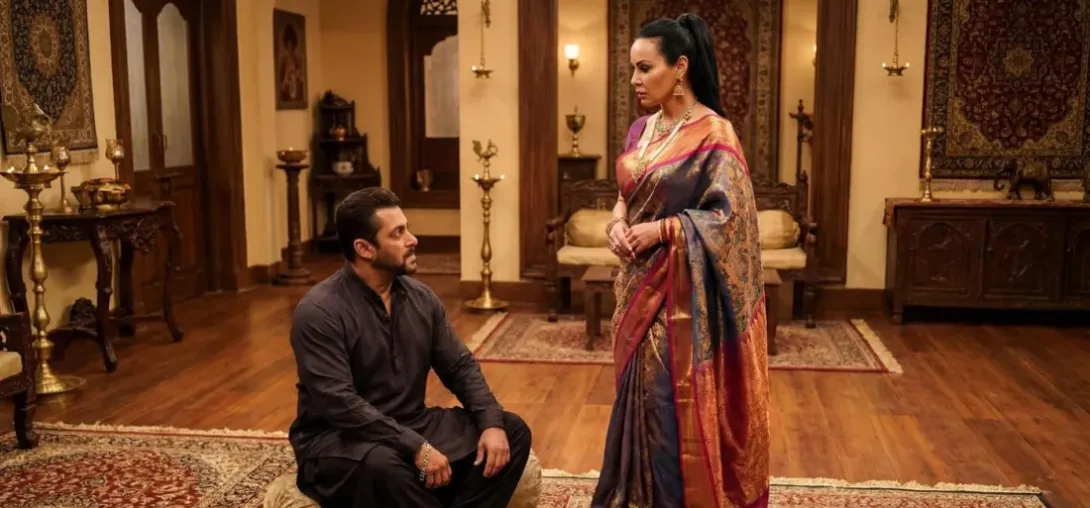
Social media buzzed recently when adult content creator Kendra Lust posted an AI-generated image purportedly featuring Bollywood superstar Salman Khan. The post sparked intense debate regarding the ethics of AI-generated content, celebrity image rights, and potential misinformation. While Kendra Lust has not provided clarification about the intent behind the post, legal experts and fans have voiced concern over consent and digital likeness usage. The incident underscores growing challenges at the intersection of technology, celebrity culture, and social media, highlighting how AI-generated media can quickly amplify controversies, provoke public discourse, and raise questions about accountability in the digital era.
Details of the Post
Kendra Lust shared an image on her social media handles that visually included Salman Khan in a context that many considered fabricated. Observers quickly identified the image as AI-generated, raising ethical and legal questions surrounding:
- Unauthorized use of celebrity likeness.
- Potential misrepresentation and misleading audiences.
- Implications for privacy and intellectual property rights in the digital age.
Social media platforms experienced rapid engagement, with users debating the boundaries of AI creativity versus responsible content sharing.
Legal and Ethical Implications
Experts highlight several concerns associated with AI-generated imagery of public figures:
- Consent and Likeness Rights: Using a celebrity’s image without permission may lead to legal ramifications under Indian and international copyright laws.
- Misinformation Risk: AI content can blur reality and fiction, creating public confusion and reputational risks.
- Platform Responsibility: Social media networks are increasingly pressured to monitor AI-generated media to prevent misuse.
The case also sparks broader discussions on the ethical deployment of generative AI tools in online content creation.
Public and Media Response
The post has divided public opinion:
- Some users view it as harmless digital creativity.
- Others perceive it as a deliberate attempt to attract attention using a high-profile celebrity’s likeness.
Bollywood fans expressed particular concern, emphasizing the importance of respecting celebrity privacy and the ethical use of emerging AI technologies.
Implications for the Digital Landscape
This incident is part of a growing trend of AI-generated content testing legal, ethical, and social norms:
- Content Regulation: Calls for clearer guidelines on AI-generated media are intensifying.
- Celebrity Protections: Public figures may increasingly seek legal safeguards against misuse of digital likeness.
- Awareness and Education: Users and creators must navigate AI responsibly to prevent reputational damage and misinformation.
Industry observers suggest that cases like this may accelerate the adoption of digital rights management solutions for AI-generated media.
Conclusion: Navigating the AI-Celebrity Frontier
Kendra Lust’s AI-generated post featuring Salman Khan highlights the complex intersection of technology, law, and celebrity culture. While AI offers creative possibilities, it also introduces significant ethical and legal challenges. As AI content becomes more sophisticated, public figures, creators, and platforms must proactively address consent, accountability, and responsible usage to maintain trust and safeguard personal and professional reputations in the rapidly evolving digital landscape.
Comments