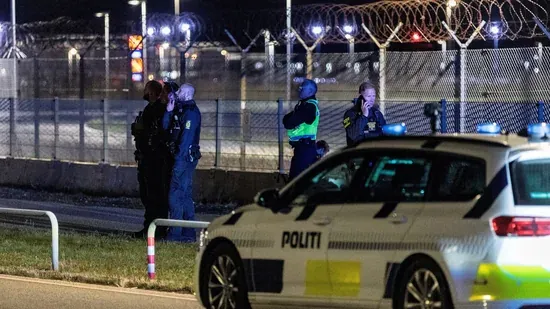
Copenhagen Airport, Denmark’s primary international hub, experienced a temporary suspension of flight operations following multiple unauthorized drone sightings near the airfield. Authorities cited significant safety risks for both incoming and outgoing flights, prompting immediate grounding measures and evacuation protocols. The incident underscores growing global concerns over drone interference with commercial aviation, highlighting the need for advanced detection and mitigation systems. Experts warn that such disruptions could have cascading effects on airline schedules, logistics chains, and passenger safety, emphasizing the urgency for robust regulatory frameworks and technological safeguards to prevent similar events in the future.
Immediate Impact on Airport Operations
The airport authority confirmed that all departures and arrivals were temporarily halted for safety assessments. Ground personnel implemented emergency protocols, including runway inspections and airspace monitoring, to prevent potential collisions between manned aircraft and drones. Multiple flights were delayed or diverted to neighboring airports, affecting both domestic and international schedules.
Security Response and Investigations
Danish aviation and law enforcement agencies swiftly launched investigations to identify the source of the drone incursions. Early reports suggest the drones were operated illegally, violating established aviation safety laws. Authorities are exploring enhanced drone detection radar systems, geofencing technologies, and coordination with police forces to prevent recurrence.
Broader Implications for Aviation Safety
The Copenhagen incident reflects a global trend of increasing drone-related disruptions at major airports. Aviation analysts warn that such intrusions could escalate into serious safety hazards, potentially leading to collisions, costly delays, or operational shutdowns. The event reinforces calls for stricter drone regulation, pilot awareness programs, and investment in counter-drone infrastructure.
Regulatory and Industry Perspectives
International aviation bodies, including the International Civil Aviation Organization (ICAO), have highlighted the necessity for proactive drone management strategies. Experts argue that airports must adopt integrated detection systems, real-time airspace monitoring, and legal frameworks that hold drone operators accountable to safeguard passenger and crew safety.
Conclusion:
The temporary shutdown at Copenhagen Airport serves as a stark reminder of the vulnerabilities posed by unauthorized drones to commercial aviation. As drone technology becomes increasingly accessible, coordinated efforts between regulators, technology developers, and airport authorities will be crucial to ensuring air travel remains secure and uninterrupted.
Comments