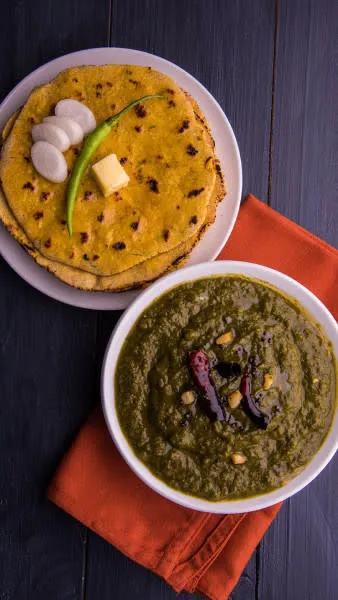
Punjab, known as the land of abundance and warmth, is as famous for its spirited culture as it is for its unforgettable cuisine. From the earthy aroma of sarson da saag simmering on a winter stove to the smoky allure of tandoori chicken, every dish from this region tells a story of tradition, generosity, and zest for life. Rooted in agrarian heritage yet enriched by modern creativity, Punjabi food captures the essence of comfort and celebration. Whether in the bustling streets of Amritsar or family kitchens across the state, Punjab’s cuisine remains a powerful symbol of India’s culinary soul.
---
The Soul of Punjab: A Feast Born of Tradition
Punjabi cuisine is more than a collection of recipes—it is an expression of the land’s prosperity and spirit. Centered around agriculture, food in Punjab celebrates the fruits of its fertile fields. Wheat dominates the cuisine, with roti, paratha, and makki di roti forming the foundation of most meals. Paired with hearty gravies, creamy lentils, and pickled accompaniments, these staples embody the rustic charm of rural Punjab.
Meals are not mere sustenance but social experiences, often shared across large gatherings with warmth and hospitality. In Punjabi households, cooking is an art of affection—where a splash of ghee signifies abundance and every serving reflects a deep-rooted generosity.
---
Signature Dishes That Define the Region
No exploration of Punjab’s cuisine is complete without mentioning its iconic dishes. Sarson da saag—a slow-cooked mustard greens delicacy—stands as the state’s culinary emblem, especially when paired with makki di roti and a dollop of homemade butter. Dal makhani, made from black lentils simmered overnight with cream and spices, offers another hallmark of Punjabi comfort food.
On the non-vegetarian front, butter chicken and tandoori chicken reign supreme. Marinated in yogurt and spices before being roasted in the traditional clay oven, the tandoor, these dishes combine smoky textures with rich, layered flavors. The tandoor itself is a Punjabi innovation that transformed Indian cooking, later influencing cuisines across the globe.
---
Street Food and Local Favorites
Punjab’s culinary landscape extends beyond kitchens and dhabas to its lively streets, where food becomes an experience of community. Amritsari kulcha, stuffed with spiced potatoes or paneer and served with tangy chickpeas, is a breakfast favorite across the region. Chole bhature, lassi, and pakoras dominate roadside stalls, blending indulgence with authenticity.
The lassi, a chilled yogurt-based drink often served in tall steel glasses, is more than refreshment—it’s a cultural ritual. Sweet or salted, plain or flavored with saffron and pistachio, it embodies Punjab’s vibrant and generous character.
---
From Farm to Feast: The Role of the Tandoor
The tandoor, integral to Punjabi cuisine, represents both innovation and tradition. Originating from village courtyards, this clay oven revolutionized Indian cooking by enabling a distinct smoky flavor and crisp texture. Whether it’s naan, seekh kebabs, or tandoori roti, the tandoor symbolizes the fusion of simplicity and mastery.
Its legacy extends far beyond Punjab—today, tandoori techniques define North Indian cuisine globally, shaping restaurant menus from London to Toronto. Yet, in its homeland, the tandoor remains a humble centerpiece of communal cooking and festivity.
---
Festivals, Seasons, and the Rhythm of Food
Punjab’s food is deeply intertwined with its agricultural calendar and festivals. During Lohri and Baisakhi, tables overflow with dishes made from freshly harvested grains and jaggery-based sweets like gur ke chawal and pinni. In winter, hearty meals like saag, makki di roti, and ghee-laden parathas provide warmth and nourishment.
Each season brings its own culinary rhythm—cooling lassis and chaas in summer, comforting rajma-chawal during monsoons, and festive desserts like phirni, kheer, and jalebi adorning celebratory spreads year-round.
---
Modern Influences and Global Reach
While Punjabi cuisine remains grounded in tradition, it has also adapted to global palates. Urban chefs reinterpret classics through lighter, healthier versions, while Punjabi flavors dominate international Indian restaurants. The essence, however, remains unchanged—bold flavors, rich textures, and the unmistakable aroma of ghee and spice.
Across continents, Punjabi food has become a culinary ambassador for Indian culture. Whether through a sizzling plate of tandoori kebabs in New York or a comforting bowl of dal makhani in London, Punjab’s spirit of abundance continues to travel far beyond its borders.
---
Conclusion: The Heartbeat of Indian Cuisine
To taste Punjab is to experience India in its most heartfelt form—warm, robust, and unpretentious. Each dish tells a story of soil, season, and soul, reflecting a culture that finds joy in feeding others. In a rapidly changing culinary world, Punjabi cuisine stands as a timeless bridge between heritage and innovation, between the farm and the feast.
Whether savored in a humble dhaba or a fine-dining restaurant, the flavors of Punjab are a reminder that food, at its best, nourishes not only the body but also the spirit.
Comments