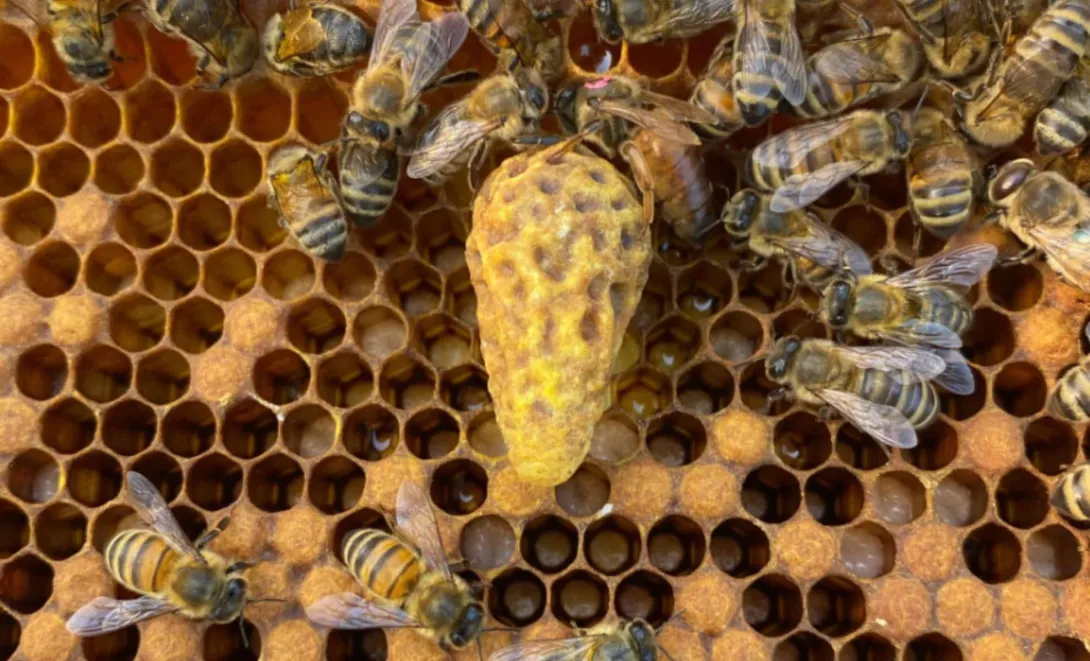
Recent studies highlight an alarming decline in bee populations worldwide, with queen bees—central to hive reproduction—facing unprecedented threats. Habitat loss, pesticide exposure, climate change, and disease have converged to jeopardize colony survival, raising concerns over agricultural productivity and ecosystem stability. Queen bees play a pivotal role in colony cohesion and reproduction; their weakening or loss can lead to hive collapse. Environmentalists and agricultural experts are urging immediate intervention through conservation programs, sustainable farming practices, and research into pollinator health. Protecting queen bees is now critical not only for biodiversity but for global food security and ecological balance.
The Role of Queen Bees in Hive Dynamics
Queen bees are the reproductive heart of the colony, responsible for laying thousands of eggs that ensure population continuity. Beyond reproduction, they secrete pheromones that regulate worker bee behavior, maintain social structure, and coordinate hive activities. Loss or weakening of a queen can lead to disorganized colonies, reduced productivity, and eventual collapse, emphasizing their critical ecological role.
Factors Driving the Decline
Multiple stressors contribute to the decline of queen bees:
- Pesticides and Chemicals: Neonicotinoids and other systemic pesticides disrupt reproduction, impair navigation, and weaken immune responses.
- Habitat Loss: Urbanization and monoculture farming reduce foraging options and nesting sites, limiting nutritional resources essential for queen development.
- Diseases and Parasites: Varroa mites, fungal pathogens, and viral infections disproportionately impact queens and brood health.
- Climate Change: Shifts in temperature and weather patterns affect flowering cycles, pollination efficiency, and hive survival.
Economic and Ecological Implications
Queen bee decline has cascading effects on agriculture and ecosystems. Bees are vital pollinators for crops such as fruits, vegetables, and nuts, directly influencing food supply chains and economic outputs. Reduced pollination leads to lower crop yields, threatening livelihoods and driving up food prices. Beyond agriculture, bee activity supports biodiversity, plant reproduction, and ecosystem resilience, making their preservation a global environmental priority.
Intervention Strategies
To mitigate risks, experts recommend:
- Implementing pollinator-friendly farming practices, including reduced pesticide use and crop diversification.
- Conservation of natural habitats and restoration of wildflower corridors.
- Research and breeding programs focused on enhancing queen bee resilience to disease and environmental stress.
- Public awareness campaigns encouraging community engagement in beekeeping and pollinator protection initiatives.
Conclusion
The decline of queen bees represents a pressing ecological and economic challenge. Safeguarding these keystone pollinators requires coordinated global efforts spanning research, policy, sustainable agriculture, and habitat restoration. Protecting queen bees is not merely an environmental imperative—it is fundamental to food security, ecosystem health, and sustaining human societies.
Comments