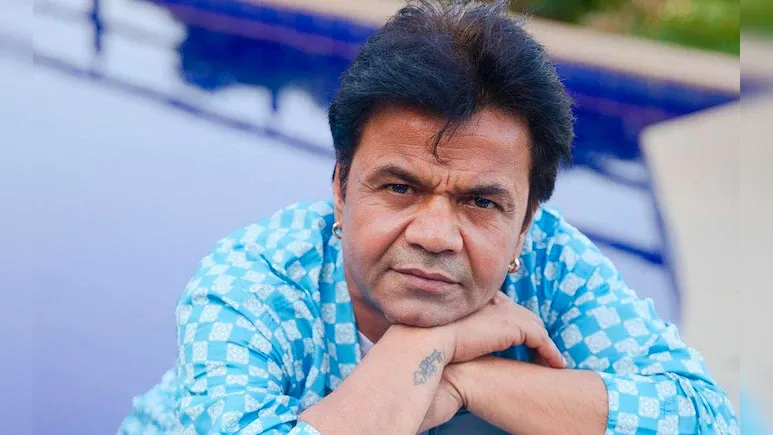
The Delhi High Court has permitted actor Rajpal Yadav to travel to Melbourne, Australia, between June 27 and July 5 for the promotion of his upcoming film Mera Kale Rang Da Yaar. The decision comes despite Yadav’s ongoing legal entanglements, including a prior conviction in a cheque bounce case that has been temporarily suspended. The court has imposed specific conditions, including a security deposit and monitoring requirements. This move underscores a balance between judicial scrutiny and professional liberty, as the matter continues under mediation at the Delhi High Court.
Legal Clearance for International Travel
In a recent ruling, the Delhi High Court allowed seasoned Bollywood actor Rajpal Yadav to undertake international travel in connection with his professional obligations. The actor is slated to visit Melbourne for the promotional tour of his new film Mera Kale Rang Da Yaar. Justice Rajneesh Kumar Gupta approved the travel request after reviewing relevant documents, including the invitation letter and flight tickets, and noting that the trial court had previously allowed Yadav to travel abroad under similar circumstances.
Court-Imposed Conditions
While granting permission, the court laid out a set of conditions aimed at ensuring Yadav’s accountability and return. The actor has been instructed to deposit Rs. 1 lakh in the form of a fixed deposit receipt. In addition, he must keep his mobile phone active during the travel period and share any other communication details with the investigating officer. His passport, currently held by the trial court, is to be temporarily released and must be re-submitted immediately upon his return to India. The next hearing in the matter has been scheduled for July 8.
Background: Cheque Bounce Conviction
This judicial relief comes in the wake of a cheque bounce case against Yadav. In June 2023, the Delhi High Court had temporarily suspended his conviction, emphasizing the actor’s willingness to pursue a negotiated settlement with the aggrieved party. Yadav’s legal counsel argued that the issue arose from a failed film financing deal, which resulted in substantial financial losses. The court took note of Yadav’s prior imprisonment—approximately three months served in related civil execution proceedings—and remarked that he and the other petitioners were “not hardened criminals.”
Ongoing Mediation Proceedings
The matter is presently under consideration at the Delhi High Court Mediation Centre, which is exploring the possibility of a mutually agreeable resolution. The court has encouraged the parties involved to engage in "sincere and genuine measures" to resolve the dispute without further litigation. The mediation process underscores the judiciary’s inclination toward restorative approaches in financial disputes, especially those emerging from the volatile world of film production.
Implications and Outlook
Rajpal Yadav’s case brings to light the complexities that artists and entrepreneurs face when creative endeavors intersect with legal and financial obligations. The court's decision to allow international travel reflects a pragmatic approach—one that balances judicial caution with professional leniency. As the mediation continues, the outcome will likely influence how the entertainment industry navigates similar cases involving commercial losses and contractual disputes.
Comments