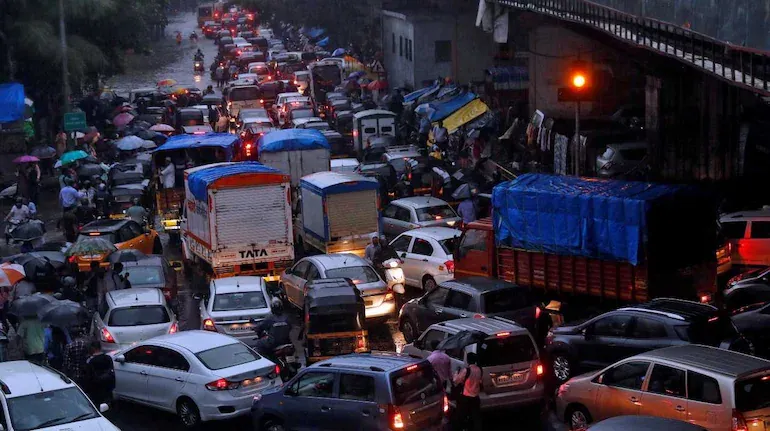
The Delhi government’s recent enforcement of a ban on refueling older petrol and diesel vehicles—specifically petrol vehicles over 15 years and diesel vehicles over 10 years—has ignited widespread public dissent. Implemented to curb pollution through automated surveillance technology at fuel stations, the policy has faced sharp criticism from vehicle owners who question its fairness and financial implications. Many argue that the policy contradicts the duration for which road tax is collected, reigniting a broader debate over the purpose of multiple taxes levied on vehicle owners. This backlash underscores growing tensions between environmental objectives and public sentiment on taxation and equity.
Delhi’s Vehicle Ban: Policy and Enforcement
In an ambitious effort to combat air pollution, Delhi authorities have instituted a rule that prohibits petrol vehicles exceeding 15 years and diesel vehicles older than 10 years from refueling at petrol pumps across the capital. This directive is enforced through Automated Number Plate Recognition (ANPR) cameras, which scan license plates and deny service to vehicles classified as “end-of-life.”
The policy represents a decisive step in the government’s ongoing commitment to reduce vehicular emissions, a major contributor to the capital’s notoriously poor air quality. However, while the environmental rationale is clear, the implementation has met resistance from a significant section of the population.
Public Discontent: Questions of Fairness and Financial Burden
A wave of frustration has swept social media platforms, as Delhi residents vocalize their grievances against the new restrictions. The core complaint revolves around the perceived mismatch between the ban’s time limits and the duration for which road tax is paid.
Diesel vehicle owners, who pay road tax for 15 years, find it particularly unjust that their cars are rendered unusable after 10 years for refueling purposes. “Why pay road tax for 15 years if diesel cars are scrapped after 10?” questioned one user, Varun Bahl, reflecting widespread confusion and discontent.
Many users also contend that a 15-year-old vehicle in the National Capital Region is far from fully utilized, estimating less than 30% usage in many cases. This has led to calls for the government to reassess the policy, with some branding it as “ridiculous” and excessively punitive.
Allegations of Economic Motives Behind Environmental Policies
Beyond the fairness debate, some critics suggest the vehicle ban indirectly benefits the automobile industry and government revenues more than the environment. There are concerns that the policy may incentivize the purchase of new vehicles, thereby driving up Goods and Services Tax (GST) collections—a perspective that paints the government as prioritizing revenue over citizens’ welfare.
A vocal segment expressed that this approach disproportionately burdens the middle and lower-income classes, exacerbating socio-economic inequalities. “GST collection has to be increased! People will buy new vehicles, and the government gets huge GST! Let the poor and middle class go to hell!” lamented one post, capturing a sentiment of economic disenfranchisement.
The Broader Debate on Road Tax and Taxation Transparency
The ban has reignited an ongoing discussion about India’s complex taxation framework for vehicle owners. Many question the necessity of road tax when other levies—such as GST, fuel taxes, tolls, and income tax—already contribute to infrastructure and government coffers.
One viral comment encapsulated this frustration: “Why are we even paying road tax? We already pay GST on every item, income tax funds infrastructure, and tolls on highways. So what exactly is road tax for? It’s high time this loot stops.” This echoes a growing demand for greater transparency and rationalization of the country’s taxation policies.
Balancing Environmental Goals with Public Equity
While environmental protection remains an urgent priority for Delhi, the backlash reveals the delicate balance policymakers must strike between ecological objectives and public acceptance. The enforcement of stringent vehicle restrictions—without addressing concerns around taxation fairness and socio-economic impact—risks alienating key stakeholders and undermining compliance.
Effective public communication and potential policy recalibration, such as phased transitions or compensatory measures, may be required to align environmental ambitions with citizens’ expectations and financial realities.
Conclusion
Delhi’s crackdown on older petrol and diesel vehicles exemplifies the complex interplay between environmental policy and socio-economic equity. While the government’s intent to reduce pollution is commendable, the public’s reaction highlights significant concerns about fairness, tax policy coherence, and economic burden distribution.
For sustainable progress, policymakers must engage transparently with citizens, ensuring that regulations not only protect the environment but also respect the financial realities of the populace, fostering cooperation rather than resistance in the pursuit of cleaner air.
Comments