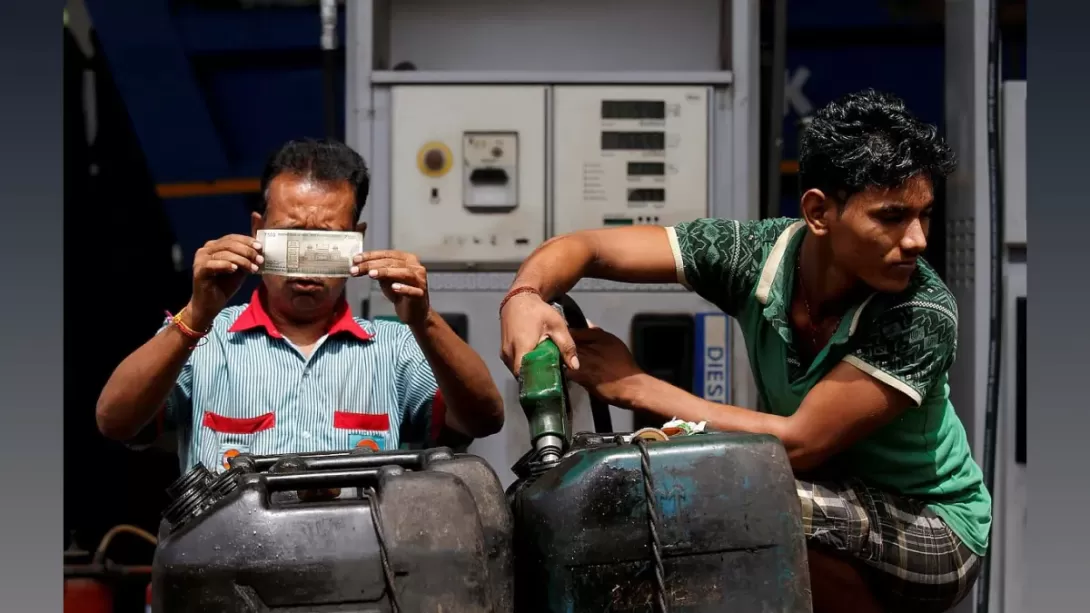
India’s diesel consumption saw a robust 4% increase in April 2025, signaling a strong recovery from months of stagnation or negative growth. This uptick was primarily driven by the onset of the summer season, which typically accelerates demand for diesel in rural irrigation and urban air conditioning. Despite facing challenges in the passenger vehicle sector, where a shift toward petrol, CNG, and electric vehicles has been observed, diesel remains a cornerstone of India's transport and agricultural economy. This article explores the reasons behind this growth, the broader trends in fuel consumption, and what it suggests for the future of India’s energy market.
Diesel: The Lifeblood of India's Transport and Agricultural Sectors
Diesel, a vital fuel for India’s economy, has long been the dominant fuel in the transportation and rural agricultural sectors. Despite a slowdown in growth in recent months, diesel consumption has rebounded in April 2025, reaching 8.23 million tonnes—marking a 4% year-on-year increase. This rise in demand, which was the highest for April in recent history and the second-highest ever for any month, is attributed to a combination of seasonal factors and specific national events.
The summer season typically leads to higher demand for diesel, particularly in rural areas where the fuel is essential for irrigation purposes. Additionally, the warmer months drive up the demand for air-conditioning in urban centers, further boosting fuel consumption. Moreover, the timing of this growth coincided with the continuation of political electioneering, which historically drives up fuel consumption, particularly diesel, due to its prevalence in transportation fleets used for campaigning.
Slowdown in Diesel Growth: A Temporary Dip or Long-Term Trend?
While diesel saw a marked increase in April, its growth trajectory in the previous fiscal year was considerably slower, with just a 2% increase during the year ending March 31, 2024. Prior to that, in the 2023-24 fiscal year, diesel demand had remained flat, with no growth at all. Analysts had begun to speculate that diesel's dominance might be waning, especially with the increased popularity of electric vehicles, petrol, and CNG alternatives in the passenger vehicle market.
However, diesel continues to account for approximately 38% of all petroleum products consumed in India, and experts suggest that it will remain a critical fuel for the Indian economy in the coming years. Despite the shift in passenger vehicle trends, diesel has experienced growth of more than 10% compared to pre-COVID-19 levels, and its role in the commercial, transportation, and rural sectors remains indispensable.
Petrol and LPG: Parallel Growth in Other Fuels
While diesel consumption rebounded in April, other fuels also exhibited growth, albeit at different rates. Petrol consumption rose by 4.6% to 3.435 million tonnes in April, continuing its upward trajectory. This follows a strong 19% surge in petrol demand during the previous year, largely driven by election-related transportation activities. As more vehicles shift toward petrol, the fuel is maintaining its role as a primary option in India’s transportation sector.
LPG (Liquefied Petroleum Gas), too, is seeing impressive growth, with a 6.7% increase in consumption to 2.621 million tonnes. This surge is largely attributed to the government’s Ujjwala scheme, which has facilitated the widespread distribution of cooking gas to rural households. Since 2019, LPG consumption has seen an increase equivalent to almost five months' worth of demand, highlighting the success of these initiatives in improving access to cleaner cooking fuels.
Aviation Fuel (ATF): Slowing Growth Amid Recovery
In contrast to the sharp rise in diesel, petrol, and LPG consumption, the growth in Aviation Turbine Fuel (ATF) consumption has slowed to 3.25% in April, reaching 766,000 tonnes. This is a significant deceleration compared to the previous fiscal year, when jet fuel consumption surged by 11.28% in April 2024 due to election-related travel. The slowdown in ATF growth reflects broader trends in the aviation industry, as demand stabilizes after the initial post-pandemic recovery period.
Despite the slowdown, ATF consumption remains a crucial indicator of India’s growing air travel sector. The moderate growth in April suggests that while the sector is still expanding, the rate of expansion may have plateaued following the peak of election-related travel.
Implications for India’s Energy Landscape
The rebound in diesel consumption, along with growth in petrol and LPG, underscores the evolving dynamics of India’s energy market. While diesel remains a key fuel for sectors like transportation and agriculture, the growth patterns in other fuels suggest a shift toward diversification. The government’s push for cleaner cooking fuels and the increasing adoption of petrol and CNG vehicles signal a gradual transition toward a more balanced energy mix.
However, diesel is likely to remain a dominant force in the Indian economy for the foreseeable future. Its critical role in the logistics, transportation, and agricultural sectors means that demand for the fuel will continue to be driven by both seasonal factors and economic activity. The shift to alternative fuels in passenger vehicles will not immediately diminish diesel's role in the broader economy, especially in the commercial and rural sectors where it is still irreplaceable.
Conclusion: Looking Ahead for India’s Fuel Consumption
As India moves into the summer season, the country’s fuel consumption trends offer a glimpse into the broader economic and energy shifts at play. The steady rise in diesel, alongside growth in other fuels like petrol and LPG, reflects the country’s evolving energy needs. While diesel may face challenges from alternative fuels in the passenger vehicle sector, it is set to remain an essential fuel for key economic drivers such as agriculture and transportation. As the government continues to focus on energy diversification and sustainability, India’s fuel consumption landscape will likely see further shifts, but diesel’s central role in the economy is expected to endure for the long term.
Comments