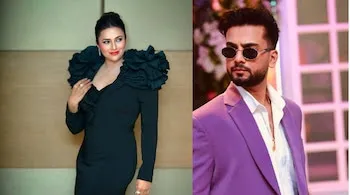
Television actress Divyanka Tripathi Dahiya recently found herself at the center of social media chatter after admitting she couldn’t recognize YouTuber and Bigg Boss OTT winner Elvish Yadav. While some fans viewed it as an innocent oversight, online trolls pounced on the moment, questioning her awareness of digital influencers. In response, Tripathi delivered a poised and witty reply, turning the conversation into a masterclass in online grace. Her composed yet sharp statement, referencing her “inner systumm,” not only defused the negativity but also highlighted a deeper conversation about celebrity culture, generational fame, and digital echo chambers.
---
The Incident: When Two Worlds Collide
The interaction — or rather, the lack of one — occurred during a media event when Divyanka Tripathi was asked about Elvish Yadav. Seemingly unaware of who he was, she offered a candid response that some interpreted as ignorance or even dismissal. The clip quickly made rounds on social media, with Elvish’s loyal fanbase taking offense and launching a wave of trolling against the popular television actress.
However, the moment also represented a broader intersection between two distinct entertainment spheres — traditional television and digital content creation — each commanding large, yet sometimes mutually exclusive, audiences.
---
The Response: Calm, Classy, and Unapologetic
Unfazed by the barrage of criticism, Divyanka Tripathi responded in a manner that was both thoughtful and subtly humorous. Taking to social media, she acknowledged the chatter but made it clear that not recognizing someone doesn't equate to disrespect. With a clever nod to Elvish’s iconic catchphrase “Systumm,” she wrote, “My inner systumm doesn't permit me to fake recognition.”
The reply not only served as a dignified rebuttal but also subtly questioned the performative nature of public interactions — where celebrities are expected to be universally aware of everyone in the limelight, regardless of domain.
---
Navigating Celebrity Expectations in the Digital Age
Tripathi’s handling of the situation illustrates the shifting dynamics of modern celebrity culture. As content creators and reality show personalities command growing influence, the definition of "celebrity" is becoming increasingly fluid. However, it also leads to unreasonable expectations — where actors are scrutinized for not being aware of every emerging figure.
This incident underscores a growing divide between audiences who consume traditional media and those who live in the fast-paced world of reels, vlogs, and streaming platforms. Tripathi’s statement, though lighthearted, brings attention to this silent cultural gap.
---
A Lesson in Digital Decorum
In an age where missteps — even unintentional — can provoke intense backlash, Divyanka Tripathi’s calm composure is a lesson in digital decorum. Instead of engaging in unnecessary confrontation or retreating into silence, she chose a middle path: asserting her viewpoint with civility and a touch of humor.
Her approach not only protected her dignity but also earned her praise from fans and industry peers, who lauded her maturity and ability to rise above the noise.
---
Final Takeaway: Mutual Respect in an Expanding Entertainment Ecosystem
The Elvish Yadav episode was less about one celebrity not recognizing another and more about the evolving landscape of fame in India. As television stars, influencers, and digital creators continue to share the limelight, mutual respect and tolerance will be key to fostering a cohesive entertainment culture.
Divyanka Tripathi’s dignified handling of the trolling serves as a reminder that grace, wit, and authenticity are still powerful tools — both on screen and online.
Comments