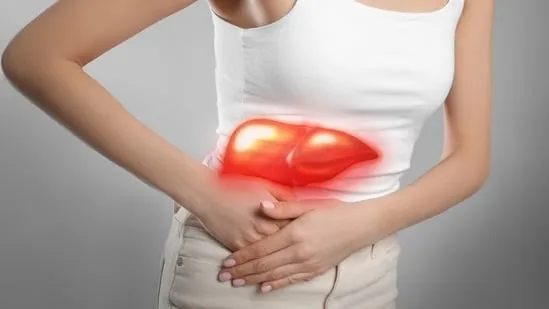
An AIIMS-trained hepatology expert has outlined eight critical yet often overlooked symptoms that may signal the onset or progression of fatty liver disease, a condition increasingly affecting people across age groups due to lifestyle imbalances, poor diet, and rising metabolic disorders. The specialist emphasizes that early detection plays a decisive role in preventing complications such as cirrhosis, liver failure, and cardiovascular risks. By identifying warning signs—including abdominal pain, swelling, constant fatigue, and digestive irregularities—individuals can seek timely evaluation and begin necessary lifestyle adjustments. The doctor’s insights underscore the growing urgency of liver health awareness in today’s fast-paced environment.
Understanding the Rising Burden of Fatty Liver Disease
Fatty liver disease has emerged as one of the most widespread metabolic conditions, driven largely by sedentary habits, high-calorie diets, and increased rates of obesity. Medical professionals warn that the liver may accumulate fat silently for years before symptoms become noticeable. Early recognition, therefore, is crucial for preventing irreversible damage.
An expert trained at AIIMS has identified eight early indicators that should not be dismissed, especially by individuals with diabetes, hypertension, obesity, or a family history of liver disorders.
1. Persistent Abdominal Pain
One of the earliest signs is discomfort or pain in the upper right portion of the abdomen. This pain may be mild at first but tends to intensify as fat accumulation increases. The specialist notes that many patients attribute this discomfort to acidity or gas, delaying proper diagnosis.
2. Visible Swelling in the Abdomen
Swelling or bloating can occur when the liver becomes inflamed. In advanced cases, fluid buildup—known as ascites—may develop. Early-stage swelling should prompt individuals to seek medical evaluation before the condition progresses to serious complications.
3. Fatigue and Low Energy
Constant fatigue is a common yet underestimated sign of liver dysfunction. As fat begins to impair liver function, the body becomes less efficient at processing nutrients and toxins, leading to chronic tiredness.
4. Unexplained Weight Loss or Poor Appetite
While obesity is a key risk factor, sudden and unintentional weight loss may also occur as fatty liver progresses. A reduced appetite or aversion to food should not be taken lightly, particularly in combination with other symptoms.
5. Jaundice or Yellowing of Skin and Eyes
In more advanced stages, fatty liver may hinder the liver’s ability to process bilirubin, resulting in yellowing of the skin or eyes. Although jaundice is not always present in early phases, its appearance warrants immediate medical attention.
6. Swelling in Legs or Feet
Fluid retention may extend beyond the abdomen. The specialist explains that swelling in the lower limbs can reflect declining liver function and reduced protein production, both of which lead to fluid imbalance.
7. Nausea and Digestive Issues
Nausea, vomiting, or a sense of heaviness after meals can indicate liver stress. Digestive inefficiencies arise when the liver struggles to break down fats and process nutrients.
8. Changes in Mental Clarity
In later stages, patients may experience confusion or memory issues due to toxin buildup in the bloodstream. Although less common in early fatty liver, mental changes should not be ignored.
Why Early Detection Matters
The AIIMS-trained specialist emphasizes that fatty liver disease is reversible in many cases, particularly when lifestyle changes are made early. Healthy nutrition, weight management, reduced alcohol intake, and regular medical follow-ups significantly improve outcomes.
Left untreated, however, fatty liver may advance to fibrosis, cirrhosis, or even liver cancer.
A Call for Preventive Healthcare
With fatty liver cases rising sharply, the expert urges individuals—especially those with metabolic conditions—to prioritise routine liver evaluations. Proactive care, supported by timely recognition of early symptoms, can prevent the condition from silently escalating into a serious health threat.
Comments