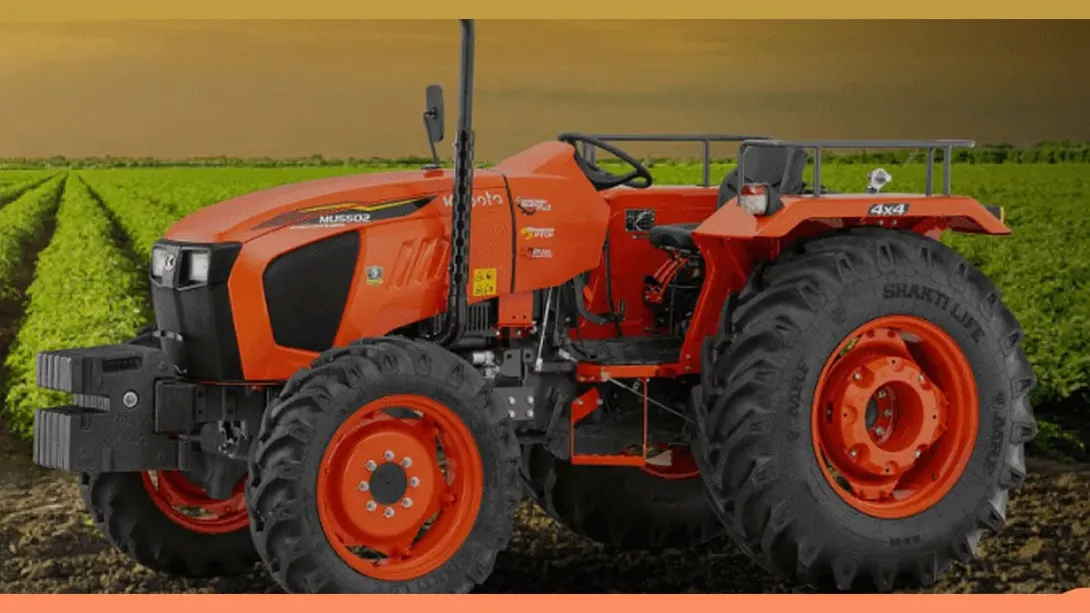
The introduction of electric tractors promises to redefine farming economics and sustainability in Maharashtra, according to Transport Minister Pratap Sarnaik. By reducing operational costs by up to 70%, these vehicles could significantly ease the financial burden on farmers. Supported by a Rs. 1.5 lakh subsidy and interest-free loans under the Maharashtra State Electric Vehicle Policy 2025, this initiative aligns with the state’s broader vision to have 20-30% electric vehicles on roads by 2030. The registration of the first electric tractor at the Thane Regional Transport Office marks a milestone in advancing eco-friendly agriculture through innovative technology.
Revolutionizing Farming Economics with Electric Tractors
Maharashtra is witnessing a pivotal moment in its agricultural sector with the formal registration of its first electric tractor, signaling the advent of cost-efficient and environmentally sustainable farming. The state’s transport minister, Pratap Sarnaik, emphasized that electric tractors could slash operational expenses by 60 to 70 percent compared to diesel-powered counterparts.
To contextualize, while diesel tractors cost Rs. 1,200 to Rs. 1,500 to plough one acre, electric tractors reduce this figure drastically to approximately Rs. 300. This profound reduction in fuel expenditure can alleviate financial pressures on farmers, many of whom operate on narrow margins.
Government Incentives and Financial Support
The Maharashtra government is actively facilitating this transition through a multifaceted support framework. Under the State Electric Vehicle Policy 2025, buyers of electric tractors are eligible for a direct subsidy of Rs. 1.5 lakh. Complementing this, the state-run Annasaheb Patil Economic Development Corporation offers interest-free loans, easing upfront capital requirements for farmers keen to adopt the technology.
These measures are part of a strategic vision articulated by Sarnaik, aiming to ensure that by 2030, electric vehicles constitute 20-30% of all vehicles on Maharashtra’s roads. The dual goals of financial sustainability for farmers and environmental conservation underpin these policies.
Technological Innovation and Local Manufacturing
The electric tractor registered at the Thane Regional Transport Office exemplifies the intersection of renewable energy and agricultural mechanization. Manufactured by Autonxt Automation, a renewable energy technology enterprise, the vehicle symbolizes Maharashtra’s commitment to fostering homegrown innovation in clean technology.
The collaboration between state institutions and technology firms paves the way for scalable adoption of electric agricultural machinery, which promises to reduce carbon emissions and decrease dependency on fossil fuels.
Environmental and Economic Implications
Electric tractors represent a vital step toward greener agriculture, addressing both environmental concerns and economic inefficiencies. Diesel tractors not only burden farmers financially but also contribute significantly to air pollution and greenhouse gas emissions.
By shifting to electric propulsion, Maharashtra’s farmers can expect lower maintenance costs, reduced noise pollution, and improved operational efficiency. This technology also aligns with global efforts to combat climate change through decarbonization of critical sectors such as agriculture.
Future Prospects for Maharashtra’s Agriculture
The successful registration and government backing of electric tractors mark a transformative chapter for Maharashtra’s agricultural framework. As adoption grows, farmers could experience sustained cost reductions, enhanced productivity, and greater resilience against fluctuating fuel prices.
Moreover, Maharashtra’s proactive policies could serve as a blueprint for other Indian states aiming to modernize their agricultural practices while advancing environmental goals. The convergence of financial incentives, cutting-edge technology, and regulatory support positions electric tractors as a cornerstone of the next agricultural revolution.
Conclusion
The launch of electric tractors in Maharashtra underscores a decisive move toward cost-effective and sustainable farming. With substantial subsidies, interest-free financing, and a clear governmental mandate, this initiative offers farmers a pragmatic alternative to traditional diesel machinery. The resulting economic benefits, coupled with environmental gains, signal the dawn of a new era in India’s agricultural narrative—one where technology and sustainability coexist to empower farmers and protect the planet.
Comments