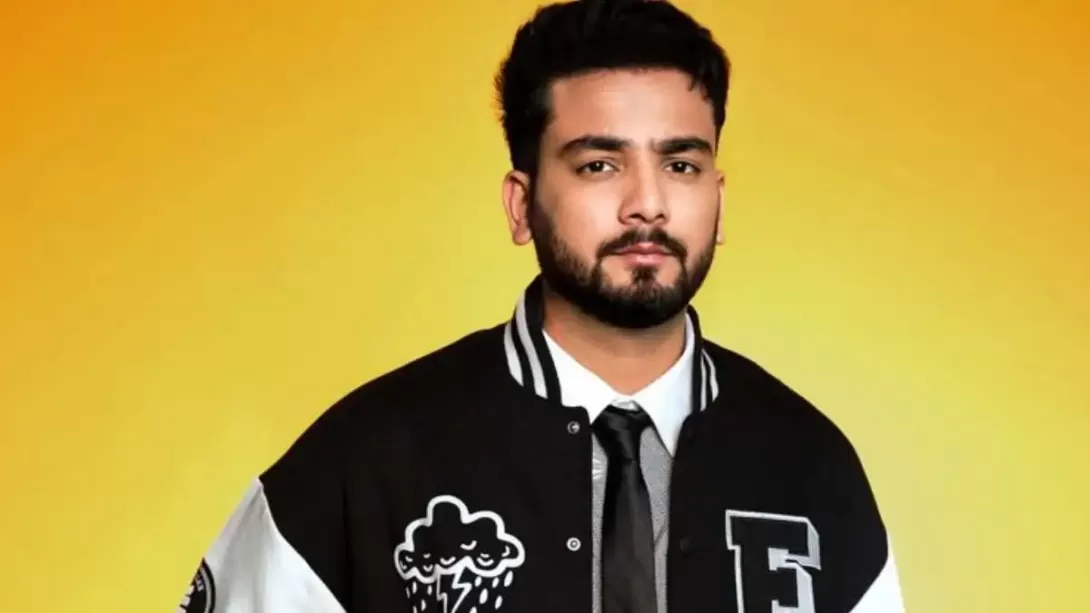
Elvish Yadav’s transition from YouTube fame to mainstream television has been anything but smooth. Best known for winning Bigg Boss OTT 2, Yadav is now carving a new path as the first content creator to serve as a gang leader on MTV Roadies XX. Alongside this high-profile career shift, he has navigated a series of personal and legal controversies, including accusations of criminal activity and intense public criticism. In a candid interview, Yadav reflects on the emotional toll of fame, the burden of false allegations, and how unwavering family support has anchored him through turbulent times.
A Digital Star Enters Mainstream Television
Elvish Yadav, a name once synonymous with YouTube virality and youthful satire, has officially crossed over into the television arena. His recent appointment as a gang leader on MTV Roadies XX marks a first for the reality series, positioning him as the inaugural YouTuber to hold the coveted title. The decision, however, was met with polarized reactions. While some fans welcomed the change, many questioned his legitimacy and suitability for the role, leading to a wave of online criticism.
Unfazed, Yadav has maintained a calm public demeanor. “There’s no pressure,” he said, addressing the skepticism. Aware of the negative commentary circulating online, he made it clear that he had no intention of responding to detractors. His approach seems to be rooted in silent resilience—a strategy that has guided his journey from social media sensation to televised leadership.
Navigating the Storm of Public Scrutiny
Yadav’s ascent hasn’t come without its share of complications. In recent months, he has been embroiled in serious controversies, including allegations involving snake venom use at parties, claims of attempted murder by a fellow content creator, and a very public fallout with YouTuber Abhishek Malhan (also known as Fukra Insaan). These incidents, amplified by the media, have cast long shadows over his professional milestones.
In an introspective moment, Yadav admitted to feeling overwhelmed by the weight of false accusations. “Every day, I question why I’m suffering for something I didn’t even do,” he said. The remark underscored a deeper existential anxiety familiar to many public figures—the realization that fame, rather than shielding them, can often serve as a magnet for suspicion and scrutiny.
Family Support: A Personal Anchor
Amid the chaos, Yadav credits his family as his emotional bedrock. Despite their strong principles, they have stood firmly by him throughout the ordeal—a fact that he finds both comforting and validating. “My family has always supported me,” he said. “They believe in standing for what is right, and the fact that they are still with me shows that I am not wrong.”
This affirmation, according to Yadav, helps counterbalance the pain of public vilification. For a public personality constantly in the crosshairs of social media commentary, familial loyalty becomes a crucial source of strength and stability.
Victory from Within: Kushal Tanwar Triumphs on Roadies XX
While Yadav’s leadership was under scrutiny, his gang member Kushal Tanwar, known popularly as Gullu, went on to win MTV Roadies XX (Double Cross). The victory not only silenced critics but also served as a testament to Yadav’s strategic acumen as a mentor and gang leader. Tanwar took home a brand-new Karizma XMR bike and a cash prize of ₹10 lakh after a fiercely contested finale, further solidifying Yadav’s credibility in his new role.
The win brings a sense of vindication—not just for Yadav’s decision-making on the show, but for his broader transition from digital to traditional media.
Fame in the Age of Viral Outrage
Yadav’s story illustrates the increasingly blurred lines between celebrity, controversy, and credibility in the digital age. As influencers and creators transition into legacy entertainment formats, they are met not just with opportunity but also with a higher standard of public judgment. The challenges of navigating sudden stardom, amplified expectations, and instantaneous backlash have become central to the modern fame experience.
Yadav's ability to stay grounded—bolstered by personal discipline, family values, and strategic silence—offers a blueprint for digital-era personalities aiming for longevity in a volatile media landscape.
Conclusion: A New Archetype of the Modern Entertainer
Elvish Yadav is emblematic of a new generation of Indian public figures—ones who build empires on social media but aspire to redefine themselves beyond it. Despite facing serious allegations and harsh public judgment, his journey reflects a broader cultural shift where digital creators are no longer confined to screens—they’re entering boardrooms, showbiz, and even prime-time television.
Whether or not Yadav’s reputation fully recovers from recent controversies, his resilience and evolution suggest that he is more than a passing phenomenon. As the entertainment landscape continues to diversify, so too does the definition of who gets to lead—and perhaps redefine—the next chapter of Indian popular culture.
Comments