Chronic stress is a silent yet potent contributor to a spectrum of serious health conditions, from cardiovascular disease to metabolic disorders. Central to the body’s stress response is cortisol, a hormone that, when persistently elevated, can wreak havoc on multiple organ systems. Emerging research underscores the role of nutrition in modulating cortisol levels and mitigating stress-related damage. A strategic intake of specific vitamins, minerals, and macronutrients can help regulate cortisol, enhance resilience to stress, and improve overall well-being. Incorporating these nutrients daily is not merely preventive—it is a proactive step toward maintaining long-term health.
1. Magnesium: The Anti-Stress Mineral
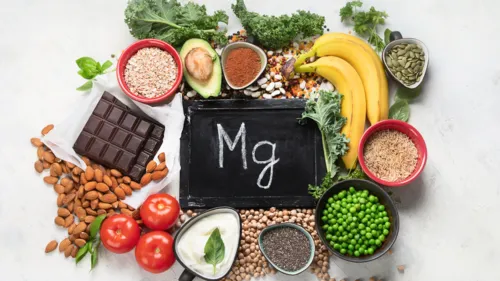
Magnesium plays a pivotal role in modulating the body’s stress response. It supports adrenal function and helps regulate cortisol production. Deficiency in magnesium has been linked to heightened anxiety, irritability, and elevated stress markers. Foods rich in magnesium include leafy greens, nuts, seeds, whole grains, and legumes. Daily supplementation can also be considered for individuals with higher stress levels or dietary limitations, as magnesium aids both cognitive and cardiovascular resilience.
---
2. Vitamin C: A Powerful Cortisol Regulator
Vitamin C is not only essential for immune function but also has a direct influence on cortisol regulation. Studies indicate that adequate vitamin C intake can reduce cortisol levels in response to acute stress, thereby protecting the body from oxidative damage induced by chronic stress. Citrus fruits, berries, bell peppers, and broccoli are excellent sources. For individuals facing chronic stress or demanding lifestyles, maintaining consistent vitamin C levels is critical to buffer the physiological impact of cortisol surges.
---
3. Omega-3 Fatty Acids: Balancing Hormonal Stress
Omega-3 fatty acids, found abundantly in fatty fish, flaxseeds, and walnuts, possess anti-inflammatory properties that help counteract the stress-induced inflammatory cascade. Research highlights that omega-3s may lower basal cortisol levels and improve heart and brain health under chronic stress conditions. Incorporating omega-3-rich foods into daily meals or taking high-quality supplements can enhance both mental clarity and emotional resilience.
---
4. B Vitamins: Supporting Adrenal and Nervous System Health
B-complex vitamins—particularly B5, B6, and B12—are crucial for adrenal health and neurotransmitter synthesis. They assist in converting food into energy and regulating the production of stress hormones. Deficiencies in B vitamins can exacerbate fatigue, anxiety, and mood imbalances, further elevating cortisol levels. Whole grains, eggs, dairy, and fortified foods are reliable sources, while supplementation can be tailored to individual needs.
---
5. Adaptogenic Herbs and Minerals: Natural Stress Modulators
Certain adaptogens and minerals, such as zinc and selenium, work synergistically to regulate cortisol. Adaptogenic herbs like ashwagandha, rhodiola, and holy basil support adrenal function, reduce cortisol spikes, and improve stress tolerance. Zinc and selenium contribute to antioxidant defenses and hormonal balance, offering additional protection against chronic stress-induced damage. Regular inclusion of these nutrients, either through diet or supplements, can enhance resilience in high-pressure environments.
---
Conclusion:
Sustained high cortisol levels are linked to a range of health complications, including cardiovascular disease, diabetes, and mental health disorders. Thoughtful dietary strategies can significantly modulate cortisol and protect long-term health. Prioritizing magnesium, vitamin C, omega-3s, B vitamins, and adaptogenic nutrients is not merely about mitigating stress—it is about fortifying the body against the physiological consequences of modern life. A disciplined approach to nutrition, coupled with lifestyle interventions, can transform stress from a silent saboteur into a manageable element of daily life.
Comments