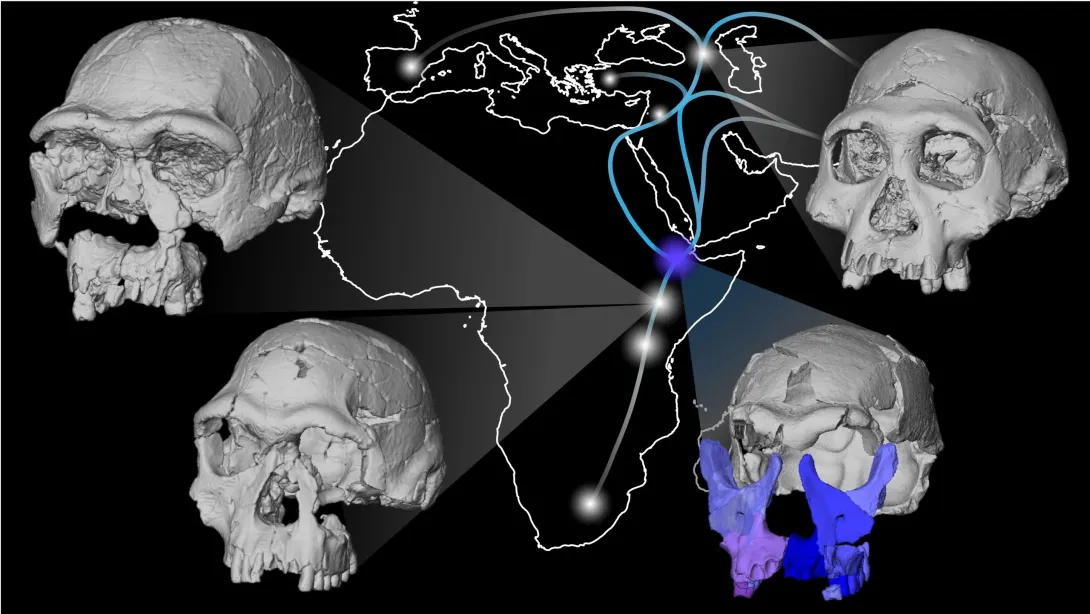
Paleoanthropologists in Ethiopia have discovered a remarkably well-preserved Homo erectus fossil dating back approximately 1.5 million years, offering unprecedented insights into early human evolution. The find, located in the Afar region, includes cranial and postcranial elements that illuminate physical characteristics, locomotion, and potential behavioral patterns of this pivotal hominin species. Researchers emphasize that such fossils refine our understanding of migration, adaptation, and cognitive development in early humans. This discovery not only strengthens Ethiopia’s status as a critical locus for paleoanthropological research but also underscores the continuous global effort to map the evolutionary journey from archaic hominins to modern Homo sapiens.
Fossil Discovery and Context
The fossil, excavated during systematic fieldwork in a sediment-rich area of the Afar Depression, is remarkably intact for its age. Its cranial features suggest a larger brain capacity than earlier hominins, while limb proportions indicate advanced bipedal locomotion.
Archaeologists have identified associated stone tools nearby, hinting at the technological capabilities and adaptive strategies of Homo erectus populations in East Africa during the Early Pleistocene.
Scientific Significance
Homo erectus is a cornerstone species in human evolution, bridging earlier Australopithecines and later Homo species. The Ethiopian fossil provides critical data on morphological variation, body size, and skeletal robustness, allowing comparisons with fossils from Asia and other parts of Africa.
Insights from this specimen may inform debates regarding migration patterns, survival strategies, and cognitive developments, particularly regarding tool use, social organization, and environmental adaptability.
Implications for Human Evolutionary Studies
This discovery reinforces Ethiopia’s central role in the study of early hominins. It offers researchers an opportunity to reconstruct ecological contexts, dietary patterns, and social behaviors of Homo erectus populations.
By integrating fossil evidence with archaeological and paleoenvironmental data, scientists can better understand how early humans adapted to diverse climates, competed for resources, and ultimately laid the foundation for modern Homo sapiens.
Broader Impact and Future Research
The find is expected to catalyze additional fieldwork in the region, attracting international research teams and fostering cross-disciplinary collaboration. Ongoing analysis using advanced imaging, isotopic studies, and comparative anatomy will provide deeper insights into physiology, growth patterns, and life history.
Comments